The war in Iran, which has escalated to actually put the entire Middle East in check, has meant the end of innocence for the Gulf Petro-monarchies. They have been gripped for over two weeks by the dilemma of seeing how their traditional alliance with the United States - and in the case of several of them, their normalization of relations with Israel - is not guaranteeing their security or stability against Iran's retaliations. They show caution and restraint towards Iran, knowing that they will have to continue living with the Persian giant as an uncomfortable neighbor once the flames of this conflict subside.
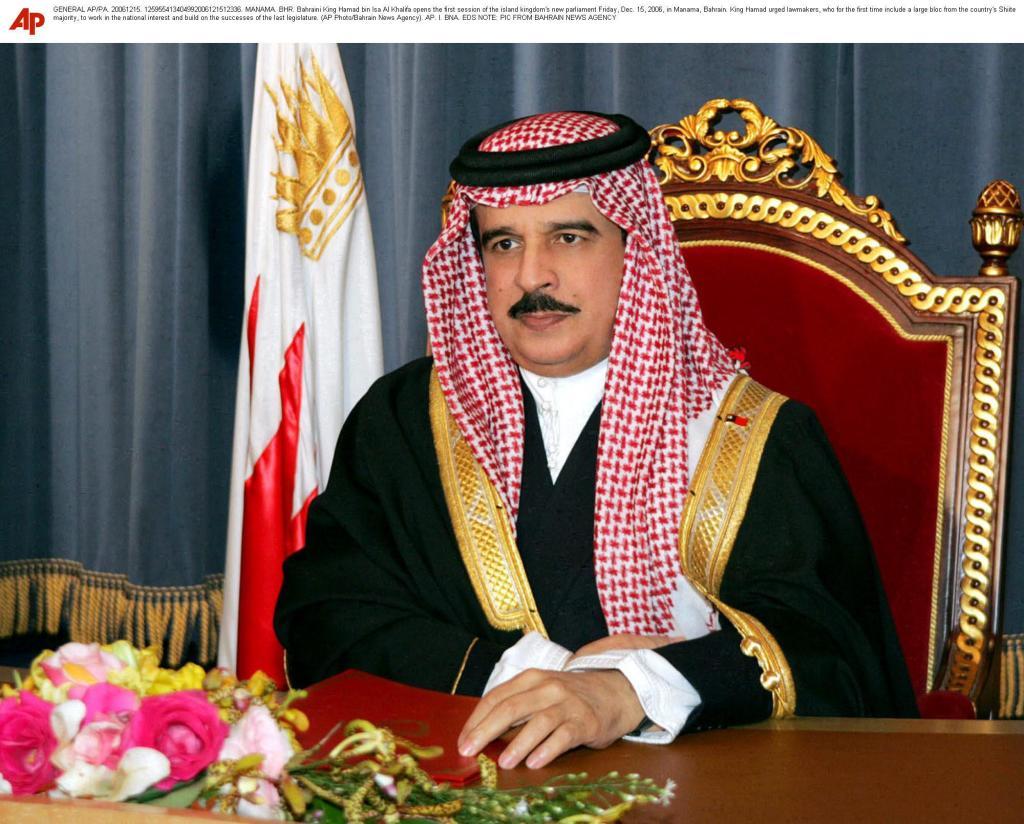
One of the Monarchies witnessing what is happening from a more fragile position is Bahrain, a small island kingdom whose size is smaller than half of the province of Guipúzcoa, with 1.7 million inhabitants. Not only are they suffering the severe economic consequences shared by all Gulf countries due to daily missile and drone attacks - yesterday the suspension of the Bahrain Formula 1 Grand Prix was confirmed - but also the old tension is escalating due to the religious scar that characterizes the nation. In Bahrain, the majority of the population - between 55% and 65%, according to sources - profess Shia Islam, the same dominant branch in the Iranian Islamic Republic, despite the ruling dynasty and the entire regime's leadership being Sunni, like the rest of the Arab Monarchies. Historically, this circumstance has generated enormous social fractures, as the Shia feel oppressed by the minority in power. Significant episodes have occurred, such as the so-called Bahrain Rebellion in 2011, a massive uprising against the regime, fueled by the Arab Spring, demanding pro-democratic reforms and heavily influenced by the religious paradox of the kingdom. Those massive protests pushed the Al Khalifa dynasty to the brink and resulted in dozens of deaths from police crackdowns. The Bahraini Monarchy only managed to crush them with an unprecedented crackdown and, above all, with the essential assistance of the thousands of Special Forces deployed by Saudi Arabia in the country to assist their great ally, King Hamad bin Isa Al Khalifa.
The death of the Iranian Supreme Leader, Ayatollah Ali Khamenei, in US and Israeli bombings, considered by many Shia worldwide as a kind of Pope for Catholics, has inflamed the spirits of many Bahrainis, especially critical of the war initiated by Washington and Tel Aviv. Despite the strict censorship and repression by the authorities in Manama, especially in the early days of the conflict, there were demonstrations and many messages in support of Tehran, leading the Khalifa regime to increase the police presence to contain any hint of protest. Some sources reported that in early March, Saudi military personnel were again sent to the country, something that had not happened since 2011.
The Bahrain Center for Human Rights has documented the arrest of at least 60 people in recent days, including minors, in gatherings against the attacks on Iran. An unofficial figure. The Bahraini authorities did announce last Wednesday the arrest of four citizens of their country accused of alleged involvement in "espionage activities" in favor of the Iranian Revolutionary Guard. The Bahraini Prosecutor's Office emphasized the seriousness of the acts attributed to the accused, describing their actions as disloyalty and cooperation with actors considered adversaries by the Government, as reported by Europa Press.
Several Bahrainis carry, on Tuesday, the coffin of a person who died during a drone attack on an apartment building in Manama.AFP
Amid the psychological warfare and disinformation that also proliferates in situations like this, activists opposed to the Al Khalifa dynasty flooded social media in early March spreading rumors that King Hamad had fled the country and sought refuge in neighboring Saudi Arabia. A false claim that may have prompted the monarch to address the nation with a message reiterating the commitment to "peace, tolerance, and coexistence", while the kingdom continues to be one of the persistent targets of missile and drone attacks from Tehran.
US Fifth Fleet Headquarters
Since the 1990s, Bahrain has been home to the headquarters of the US Navy's Fifth Fleet, with over 15,000 military personnel and at least twenty warships. It has been the cornerstone of the Pentagon's hegemony in the Middle East, responsible for three vital strategic points for the global economy, as seen these days, such as the Strait of Hormuz - currently closed to ship traffic by the ayatollahs' regime - the Suez Canal in Egypt, and the Bab el-Mandeb Strait, a natural passage between the Red Sea and the Indian Ocean through the Gulf of Aden, where in recent years there have been various attacks by the Houthis, Yemeni rebels sponsored by Tehran within their Resistance Axis. The American base is a crucial center for radars, intelligence, and databases, making it one of the most coveted targets by the Iranian Revolutionary Guard since February 28.
The alliance forged between Bahrain and the United States in 1995 made the small Gulf kingdom one of its main non-NATO Defense allies worldwide. It provided the Al Khalifa Monarchy with a sense of special protection from Washington, although probably a majority of Bahrainis are against hosting the American base. This presence is one of the reasons why relations between Tehran and Manama have been so cold for decades. In fact, when in 2023 several Monarchies in the region, especially Saudi Arabia, restored diplomatic ties with Iran, Bahrain chose to remain on the sidelines. Only recently had there been timid approaches between King Hamad and Ayatollah Khamenei, facilitated by a common partner seeking gains in all troubled waters, such as the autocrat Vladimir Putin.
Bahrain is the poor brother among the allies of the Gulf Cooperation Council (GCC), as its proven oil reserves are much lower than the rest, with a crude oil production that did not reach 200,000 barrels per day by the end of 2025. Its economic situation also makes the kingdom the weakest link in the Gulf to face the catastrophe that would ensue if the war in Iran were to prolong. The country is a giant in sectors such as aluminum exports - its sales represent 10% of the global total - which are already being severely affected. The religious divide, widespread citizen sympathy towards Tehran, and discontent over a financial crisis are a dangerous mix that the Bahraini absolute Monarchy is struggling to deal with.