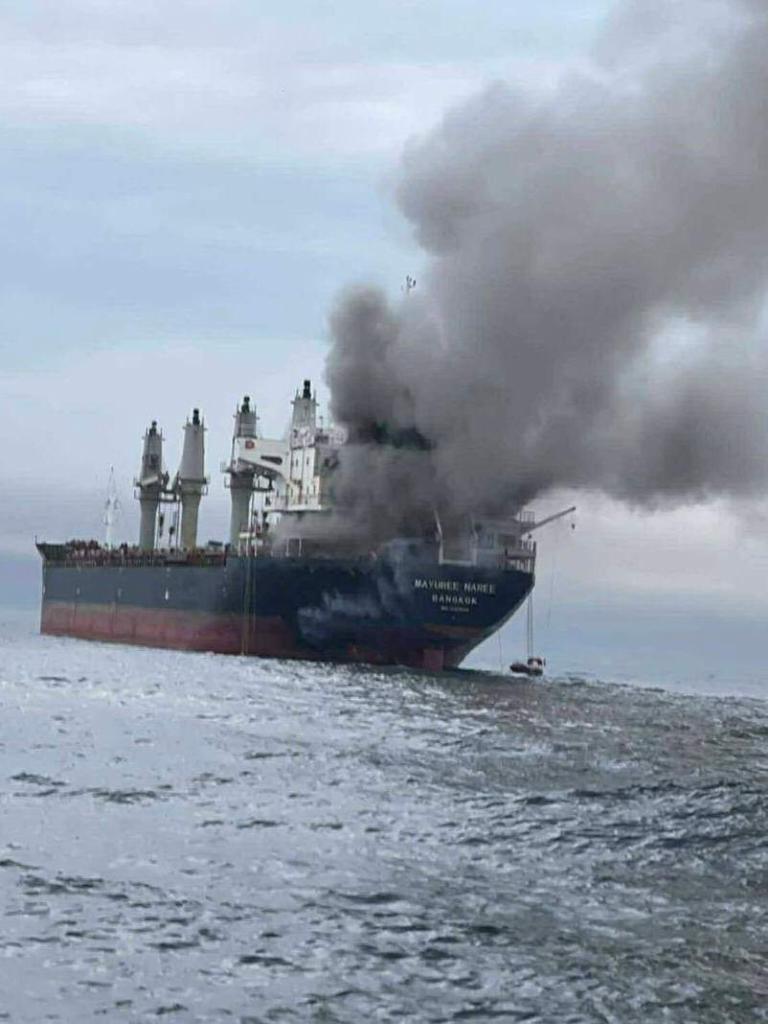
Iran's Foreign Minister, Abbas Araghchi, reiterated on Monday that the strategic maritime route remains open from their country's perspective, albeit with selective and firm restrictions. According to the diplomat, the passage is closed only to vessels from the United States, Israel, and their allies, whom he accused of an "unjust aggression" against Iranian territory. Araghchi emphasized that Iran has not requested a ceasefire and that their country will maintain a "proud resistance" to ensure that the war ends in a way that it does not recur in the future.
On the other hand, U.S. President Donald Trump has responded by demanding that about seven countries send warships to form a coalition to monitor and keep the strait open. This route is vital for the global economy, as about one-fifth of the world's traded oil passes through it regularly. Trump has initiated negotiations with nations heavily dependent on Middle Eastern oil and has even suggested that he might delay his anticipated visit to China at the end of the month to pressure Beijing to help reopen the passage and curb the escalating fuel prices.
This deadlock is the result of over two weeks of hostilities, triggered by an attack by the United States and Israel on Iran. Since then, Tehran has responded by launching constant attacks with drones and missiles against American bases and key energy infrastructures in Gulf countries. The international community watches with concern as the conflict threatens to collapse the global energy supply while retaliatory attacks continue unabated.