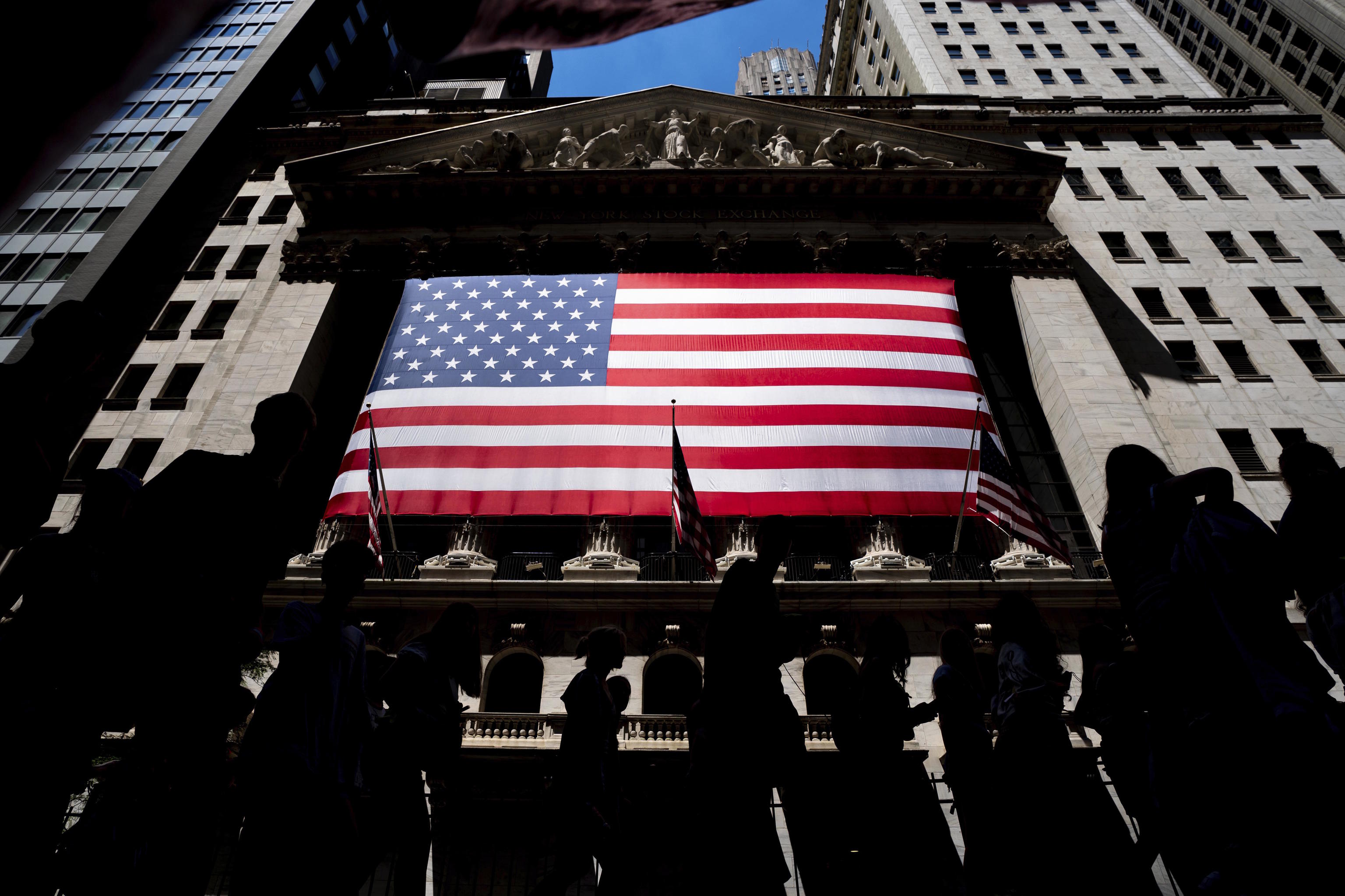
In the main global stock exchanges, there is a tense calm that is settling into the new reality as days go by. The closure of the Strait of Hormuz continues to extend over time, and it is already assumed that there will be consequences on economies and prices. The question is how to quantify this scenario, which worsens as time goes by. Oil has become the main barometer to measure the war in the Middle East. Yesterday, it had a session of ups and downs, always above $100 per barrel, indicating that the conflict is far from being resolved.
The price of oil has increased by more than 40% since the first attack launched by the US on February 28 on Iranian soil, when it was at $72. There are also problems for the Donald Trump administration as the price of West Texas Intermediate, used in the US, is about to exceed $100, a level not reached since 2022, during the peak of the war in Ukraine.
Nothing seems to calm commodity market investors, even though several significant events occurred over the weekend. Late on Sunday, the International Energy Agency (IEA) announced the "immediate" release of the first strategic oil reserves, which should already be available in Asia and Oceania. This region is undoubtedly the most affected, especially India and China, highly dependent on oil from the Middle East. As part of the commitment made last week to release 400 million barrels of these reserves globally, the largest release since the establishment of this organization in 1947. Additionally, the US President has asked NATO member countries for help in reopening the Strait of Hormuz, although they have not yet responded. "It is logical that those who benefit from the strait help ensure that nothing bad happens there," Trump said in an interview with the British newspaper Financial Times. Furthermore, the Republican leader lifted sanctions on Vladimir Putin's regime and will use Russian oil over the next month to limit fuel prices.
However, the country has denied intervening in the futures market through the US Treasury, as rumored in some financial circles.
The fact that the price of oil is not going much further is a sign, at the very least, of relief for investors after two weeks of armed conflict with no signs of short-term resolution. Gold continues not to serve as a safe haven. Yesterday, an ounce dropped below $5,000. Since the outbreak of the war in Iran, the metal has lost almost 5%, although it is fair to look back and see where it came from. Investors have decided to sell gold after a 66% increase in the last year and seek refuge in the dollar, at levels of 1.15 against the euro.
Market indecision is leading to sessions of enormous volatility and uncertainty. Yesterday, European stock markets closed with gains of 0.18% for the Ibex 35 (up to 17,089 points); or 0.51% in the case of the German DAX. Purchases were more pronounced on Wall Street, even exceeding 1% for its main indices.
Bank of America has raised its medium-term oil price forecast to $77; and firms like JP Morgan believe that the impact on global inflation could be 0.5 percentage points as early as 2026. However, unlike the market consensus, they do not believe this will lead the European Central Bank (ECB) to raise interest rates. "They will keep them stable in 2026 and 2027," their analysts state, compared to the average forecast of a 55-basis-point increase by summer.