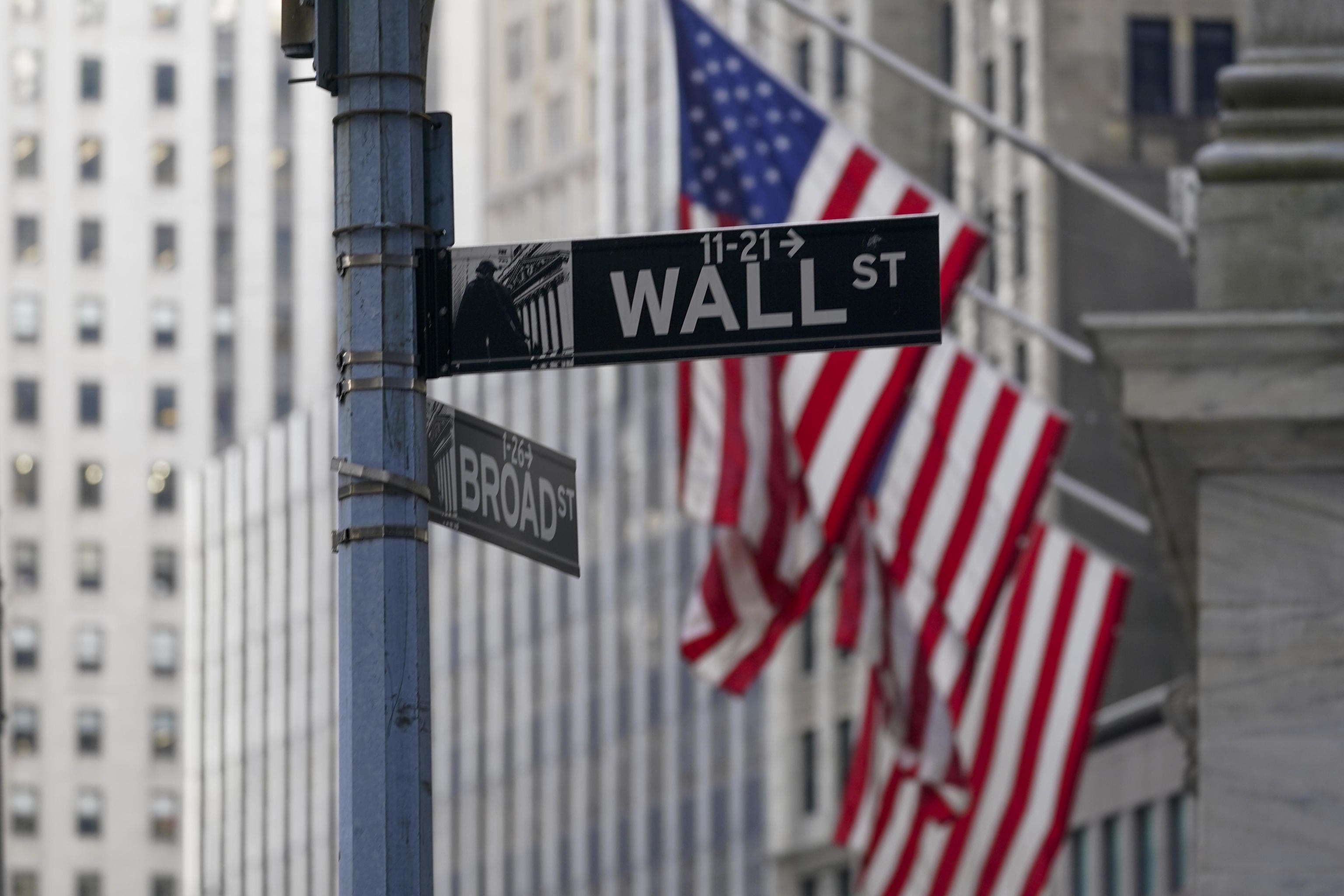
Once again, Donald Trump has shaken up the playing field. He did it in the early days of March and April last year with his tariff crusade against the rest of the world, and in the past three weeks, he has done it again through his approach to the war in the Middle East. But there are differences. The main one is that the Republican leader is now more aware than ever of the importance of markets in geopolitics. Therefore, having learned from past mistakes, this time he wanted to resolve tensions in the debt market much earlier than in 2025 when he let the waters run for almost two months until the 30-year American bond - the most sensitive to interest rate movements, surprisingly - reached 5%. That's when investors said enough.
Yesterday, the markets, caught in volatility, experienced another historic day where the US president was forced to step in at dawn in the US to reassure investors after bond sales pushed the 30-year reference close to 5%. He had initiated "productive discussions" with the Iranian regime. But there's more. The two-year bond reached yields of over 4%, and the 10-year American bond approached 4.5%. Here in Europe, experts watched with concern as the German bond exceeded 3% yield, at 2011 levels during the eurozone debt crisis.
The US government, investment banks, and the world's largest asset managers are the true holders of US debt, which concerns the Republican leader because his goal is to reduce the deficit, which stood at 6% at the end of last year, with public debt already exceeding $39 trillion. Any increase in interest rates would mean skyrocketing the financial cost for the US government and also reducing consumers' purchasing power in the birthplace of capitalism, where the population is starting to show frustration over rising inflation due to tariffs imposed by their own government and now with the rise in fuel prices, where a gallon is close to $4, its highest level in four years.
Broadly speaking, a little over half of US debt is held domestically. The Federal Reserve holds a quarter of the total, and nearly another 20% is held by major investment fund managers. Japan stands out among countries, followed by the UK and China as the three largest holders of US bonds, according to data from the US Treasury Department.
The stampede seen in the bond market has intensified in the last month as money swirls to exit and find a new refuge. In total, investors have withdrawn nearly $2.5 trillion from the bond market since the war broke out, according to data from the 'Bloomberg Global Aggregate Index', a basket of government, corporate, and securitized bonds worldwide, used as a barometer to understand what is happening in fixed income. This is the largest monthly outflow of money in the last three years, likely to be confirmed by the end of March. "Bonds, usually considered a safe asset in times of market uncertainty, have challenged this condition in recent weeks, reflecting a change in how investors perceive inflation, interest rates, and risk," say experts at Aberdeen Investments. The reality is that, having experienced a tariff crisis, money and emotion management has changed since Trump took office in January 2025 for his second term.
Liquidity is needed. This is the key to explaining the collapse seen in the price of gold, which at times yesterday exceeded 10%, almost jeopardizing the $4,000 per ounce level. Before the war broke out, three weeks and three days ago, the ounce was trading above $5,200. Although Monday was also a matter of hours, and the gold rebounded, recovering much of what was lost. Investors are now finding refuge in the dollar, which rises against other currencies during war days, exchanging for $1.14 until this week. Yesterday it bounced back, and the euro regained levels of 1.16 not seen since the early days of the Middle East conflict.
"In a scenario of relaxation, US dollar gains would fade, and cyclical assets would record losses," say Generali Investments, who believe, however, that the consequences of the war will persist over time, even considering the full reopening of the Strait of Hormuz. "The war has caused a supply crisis that threatens inflation prospects, not only through energy prices; attention must be paid to fertilizers, crops, and food prices," say their analysts.
Beyond the Middle East, investors are also keeping a close eye on another increasingly important part of the debt markets, private funds. In recent weeks, concerns have grown that artificial intelligence has plummeted valuations of many growth companies where these funds are invested. Also, potential interest rate hikes due to the war or the likely onset of an economic slowdown as a result of rising inflation are on the table. All of this weighs on investor decisions, who have also lined up to withdraw their money from these mega private funds to secure liquidity in a tense market environment.