The Iranian Revolutionary Guard announced on Wednesday the start of a new wave of attacks against Israel, stating that they have already targeted strategic points and military installations in the northern part of the Hebrew country in support of Hezbollah.
Iran launched these attacks against northern Israel "in support of the Islamic Resistance of Hezbollah and the oppressed people of southern Lebanon," in response to Israeli offensives against its northern neighbor.
Tehran stated that this operation marks the beginning of a series of actions against Israel and warned that both Israeli troop positions in Palestine, Israeli cities like Tel Aviv, Kiryat Shmona, or Bnei Brak, as well as U.S. military bases in the region, will be the target of intense attacks.
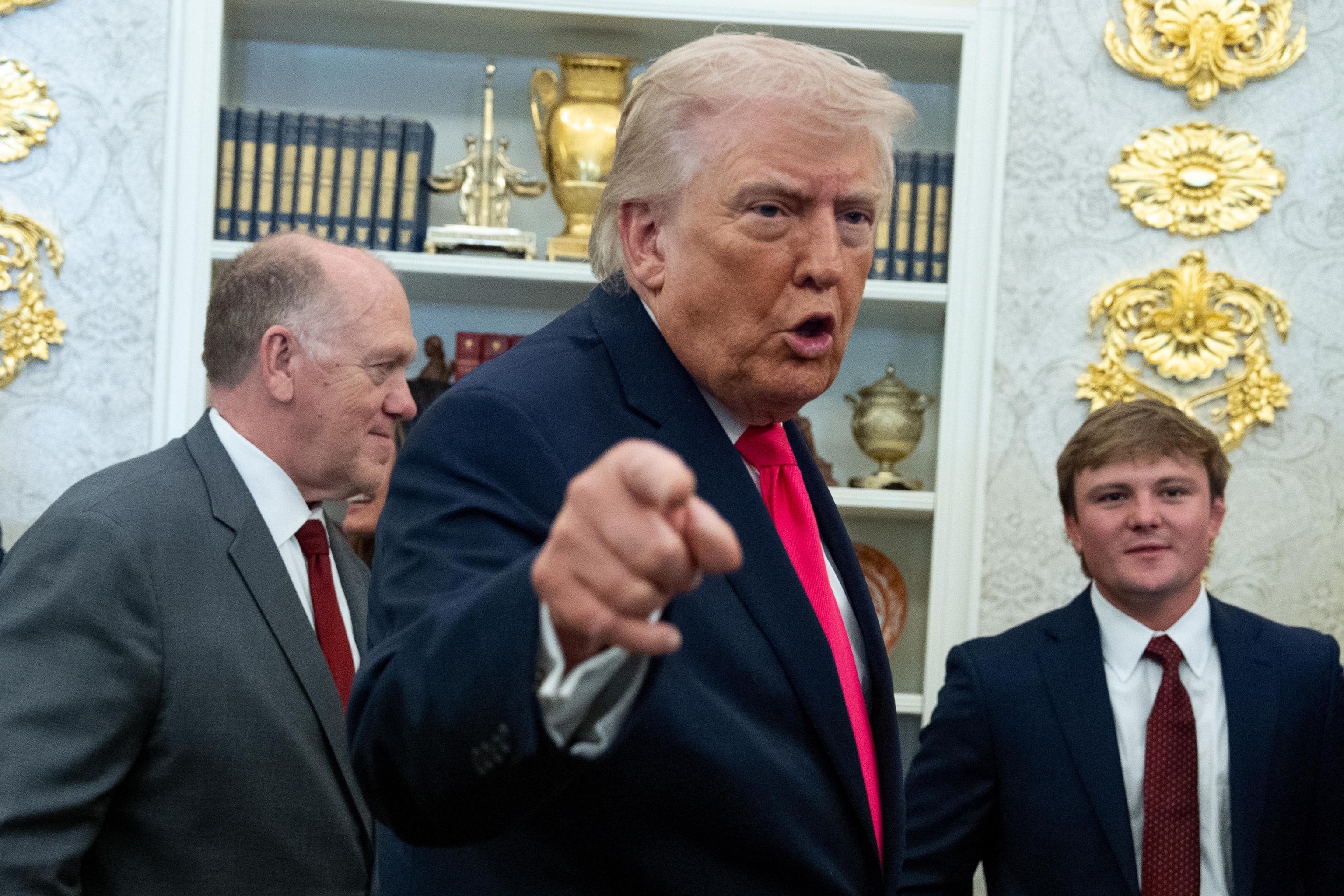
According to Iran, "The United States is negotiating with itself," said a military spokesperson on Wednesday, a day after U.S. President Donald Trump stated that Tehran wants to reach an agreement to end the war in the Middle East.
A 15-point plan aimed at ending the conflict was drafted by Washington and sent to Tehran.
Attack on Iraq leaves seven Iraqi soldiers dead and 13 injured
Seven Iraqi soldiers died and another 13 were injured in an airstrike on a facility of the Popular Mobilization Forces near an army medical center in western Anbar, according to security sources and the Ministry of Defense.
The ministry indicated that the attack, which took place around 09:00 local time, hit a military clinic and an adjacent engineering unit. Rescue teams were still searching the area for possible additional victims.
Sánchez: Spanish companies have lost 100 billion in the stock market in a month of war
The President of the Government, Pedro Sánchez, stated that since the war in Iran began, the Ibex has accumulated a 9% drop, resulting in Spanish companies losing "over 100 billion euros in less than a month, almost 5 billion for each day of illegal war."
During his appearance in Congress to report on the Government's position in this war, Sánchez emphasized that the scenario is "much worse" than in the Iraq war, with a potential for a "much broader and deeper" impact.
He highlighted that the first month of war has also resulted in 12 billion spent on military operations and a "severe contraction of tourism, maritime trade, and global air traffic."