Tangsiri was considered a key figure in the Tehran regime, being the main person in charge of controlling the Strait of Hormuz, a strategic position that represents one of Iran's major pressure points against the United States.
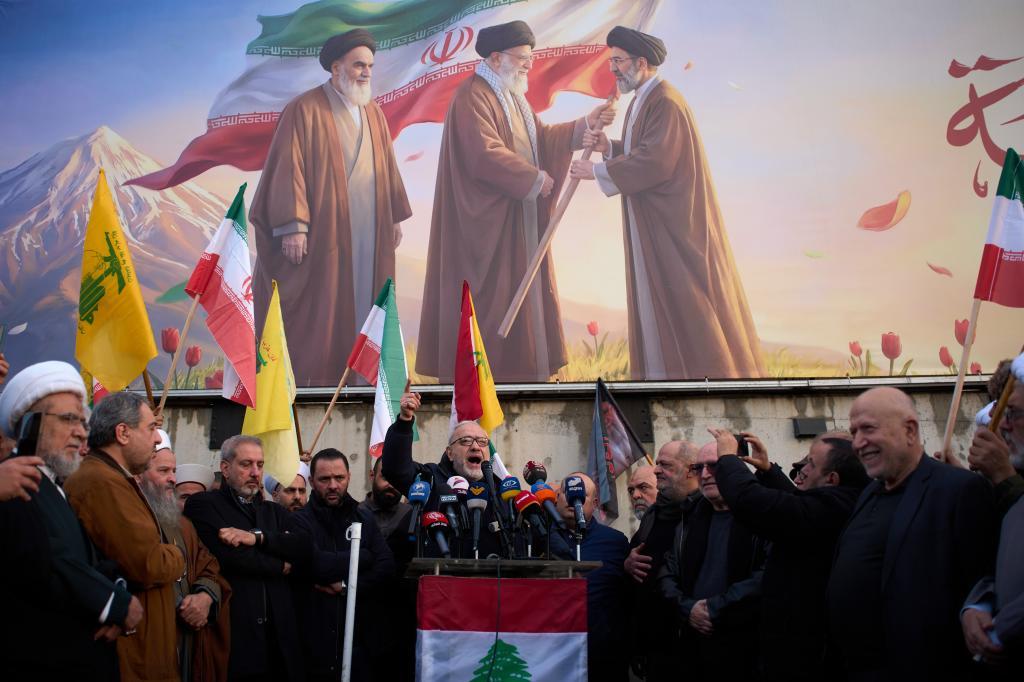
Meanwhile, the aerial offensive on Israeli territory has reached critical levels. By 11 a.m. today, Israel recorded the impact of seven salvos of Iranian ballistic missiles, resulting in an initial toll of four injured in Tel Aviv. The severity of the attack has been accentuated by the type of weaponry used; according to reports, some of the projectiles aimed at the country's center carried cluster bombs. Although most of the missiles were intercepted by defense systems or landed in open fields, the coordinated action with projectiles from Hezbollah in Lebanon has kept the country on high alert.
The ripple effects of this war are already impacting other regional actors. In the United Arab Emirates, local media reported the deaths of two individuals in Abu Dhabi as a direct result of the impact of debris from an intercepted missile. Despite being constantly targeted by Israel and the United States, Iran maintains its firepower, launching drones and missiles against various targets in the region. So far, the Iranian government has not confirmed Tangsiri's death, while uncertainty about the future of maritime traffic in the Strait of Hormuz worsens the international crisis.