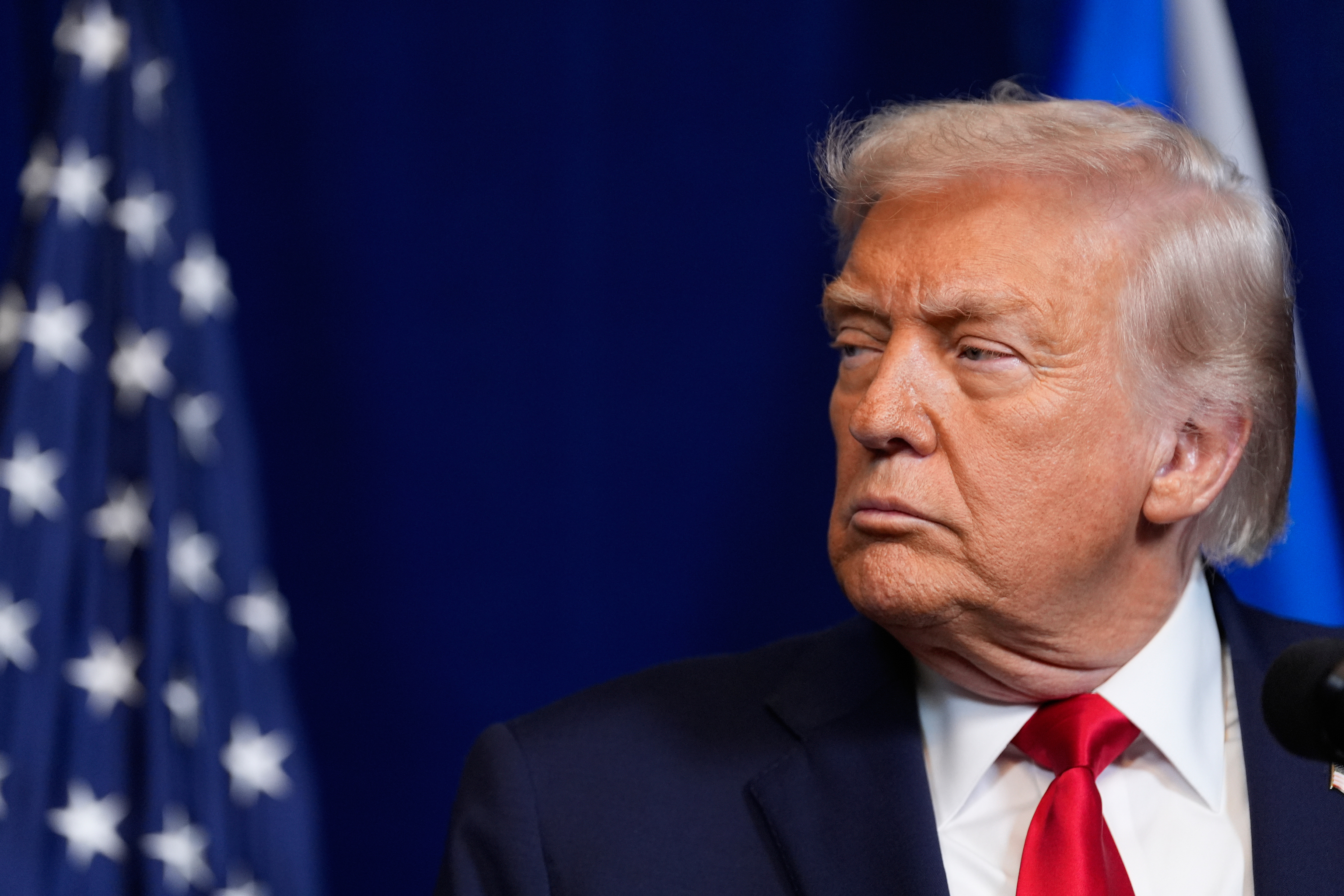
There is currently no ceasefire for the Middle East war. According to the White House, Trump has rejected the plan proposed by the mediating countries, which included a 45-day truce in the attacks. A senior Iranian official cited by Reuters had previously stated that Iran will not reopen the Strait of Hormuz as part of a temporary ceasefire, nor will it accept deadlines or pressure to reach an agreement.
The petrochemical complexes have become the main target of the recent US and Israeli airstrikes against Iran. Tel Aviv has claimed responsibility for the attacks on the South Pars petrochemical complex in Asaluyeh, a key facility in the energy sector and crucial for the Iranian economy. Tehran assures that the situation is "under control" and damages are being assessed. By mid-afternoon, Iranian state media reported an attack on the Marvdasht petrochemical complex, near Shiraz in the south of the country. According to initial reports, this second operation, attributed to the US and Israel, did not cause significant damage.
Trump Rejects Mediators' Plan for a 45-Day Ceasefire
The White House confirmed on Monday that the mediating countries had proposed a 45-day ceasefire in Iran, and added that Donald Trump had not endorsed the idea. "It is one idea among many, and the president has not endorsed it. Operation Epic Fury continues, and the president will speak," declared a senior US official. He is expected to do so during a press conference scheduled for 7:00 p.m. Spanish time.
According to the Axios website, Pakistani, Egyptian, and Turkish mediators proposed a 45-day truce, while the US president set a deadline for Tuesday night before bombing infrastructure in Iran.
An Iranian official had previously told Reuters that Iran will not reopen the strait as part of a temporary ceasefire, nor will it accept deadlines or pressure to reach an agreement. Washington is not prepared for a permanent ceasefire, added the official.