To find a historical reference of similar magnitude, one would have to go back to the Caribbean of the 17th century. The infamous pirate Henry Morgan turned his naval dominance into a form of economic control with his informal toll system. Operating from bases like Jamaica and with English letters of marque, Morgan intercepted Spanish trade routes and subjected ships to a simple choice: pay, surrender part of the cargo, or risk attack. In that context, many captains chose to negotiate their passage, which created a recurring extortion dynamic based on reputation and fear.
Donald Trump demanded "complete, immediate, and safe" opening of Hormuz as a premise for the two-week ceasefire with Iran, but in the text that the blond president deems acceptable as a negotiating framework in Pakistan, article 3 acknowledges Iran's authority to "control and secure" navigation through the Strait. In other words, just like the pirate Henry Morgan, the ayatollahs can decide who, how, and when can cross it. The Iranian Navy informed ship owners yesterday that they must obtain permission from Iran to transit Hormuz or else their vessels will be "attacked and destroyed," according to shipping sources cited by Bloomberg.
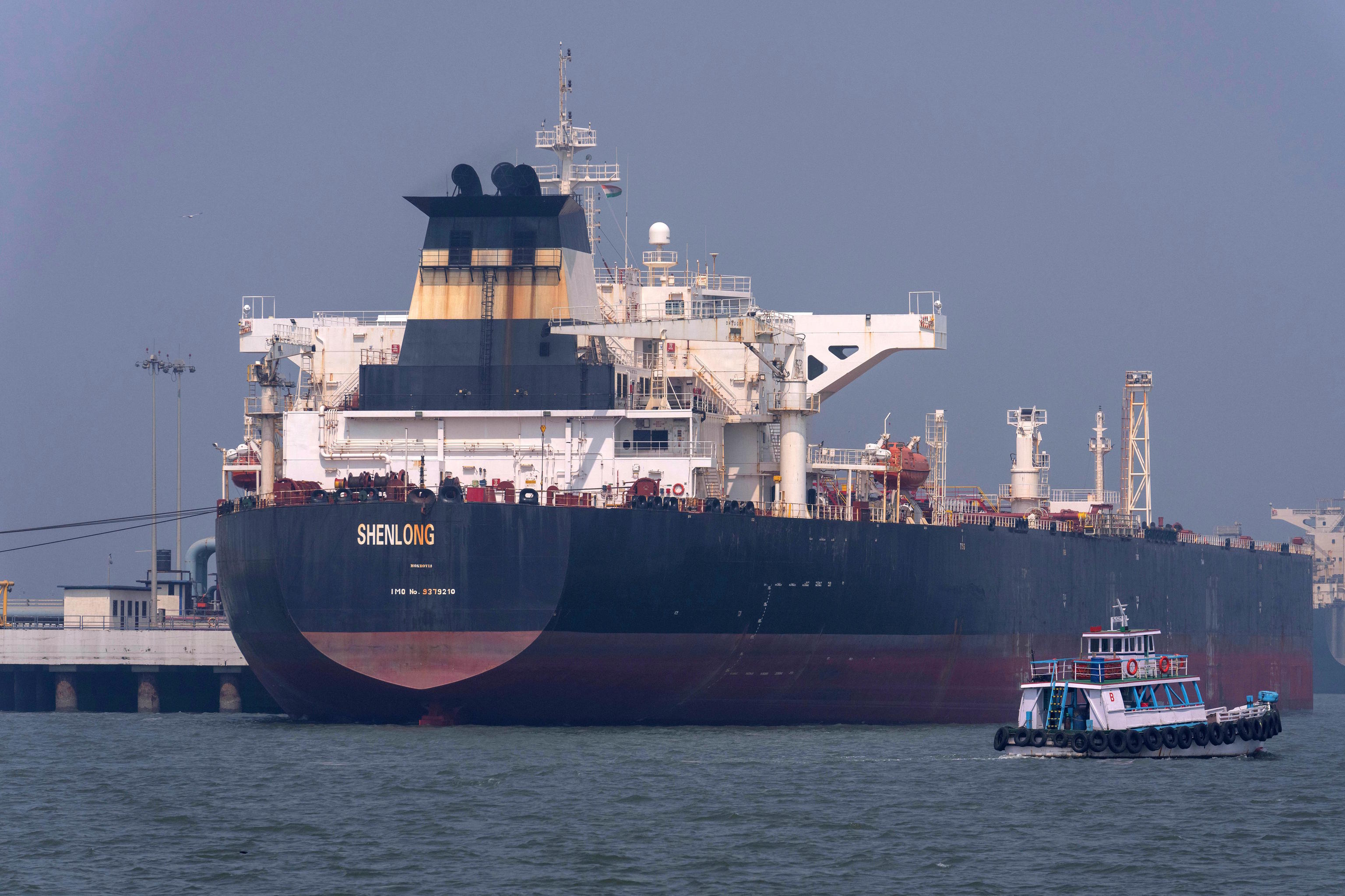
At this time, Hormuz remains de facto closed and under Iran's management. In the early hours of the ceasefire agreed upon by Washington and Tehran, traffic remained almost completely halted, with only a handful of vessels showing movement on ship tracking websites. Most of the over 500 ships trapped in the Gulf are still in port or off the coast of the United Arab Emirates, while hundreds of others are waiting to enter the Gulf of Oman. Some Iranian sources claim that Tehran will only fully open the Strait starting tomorrow, Friday, when peace talks begin in Islamabad.
Since the ultimatum came into effect, approximately 10 vessels have passed through that maritime roundabout. Beyond the shipping companies linked to China or Iran itself, large cargo ships or tankers of other nationalities remain anchored. It seems like no captain wants to be the first. In the past, passage was through the center of the channel, like a major highway with two lanes on each side. Today, the only ships passing through do so between the islands of Qeshm or Larak. They can only do so after depositing two million dollars in yuan or Bitcoin.
Once the money is paid, the captain must head towards the channel between those islands. Revolutionary Guard soldiers approach in speedboats and board the ship to check the cargo. If the password given by the captain is correct, the ship can continue sailing. If not, it will have to turn back or be attacked with drones.
Why don't they sail through the center of the Strait as they did before the war? Because Iran requires ships to be under its fire control. In other words, under its artillery and missiles. If a vessel decides to evade customs, they can easily be shot at.
This reporter was recently on the southern shore of Hormuz (Musandam Peninsula, Oman), and Omani fishermen assumed that the central area of the channel was mined by Iran. But no one knows for sure where those mines are. Nor does anyone know what role Oman will play in collecting the same fee, as the southern end of that same Strait is part of its territory, and Tehran claims it would have the right to participate in the same collection system, but Oman's good relationship with its Gulf neighbors may weigh more than joining Tehran's proposed collection.
Although Trump maintains that the ceasefire with Iran allows for the reopening of Hormuz, the reality on the ground is slower and more cautious. Maritime transit depends not only on a tweet but on verifiable operational conditions. After weeks of bombings, with 17 tankers attacked, mines, and threats, shipping companies and captains continue to act cautiously, waiting for security to be truly guaranteed and for navigation corridors to be defined.
One of the key factors is the role of insurers. Without war risk coverage, no tanker can operate, and these policies tend to become more expensive or withdrawn in conflict scenarios. Even if a truce is announced, companies need time (perhaps weeks) to reassess the risk, confirm that there are no active threats, and set new premiums to lower those charged for sailing in a region considered a "war zone". Until then, many ships will remain blocked or avoid the area, explaining why the political reopening of the Strait does not immediately translate into an effective resumption of traffic.