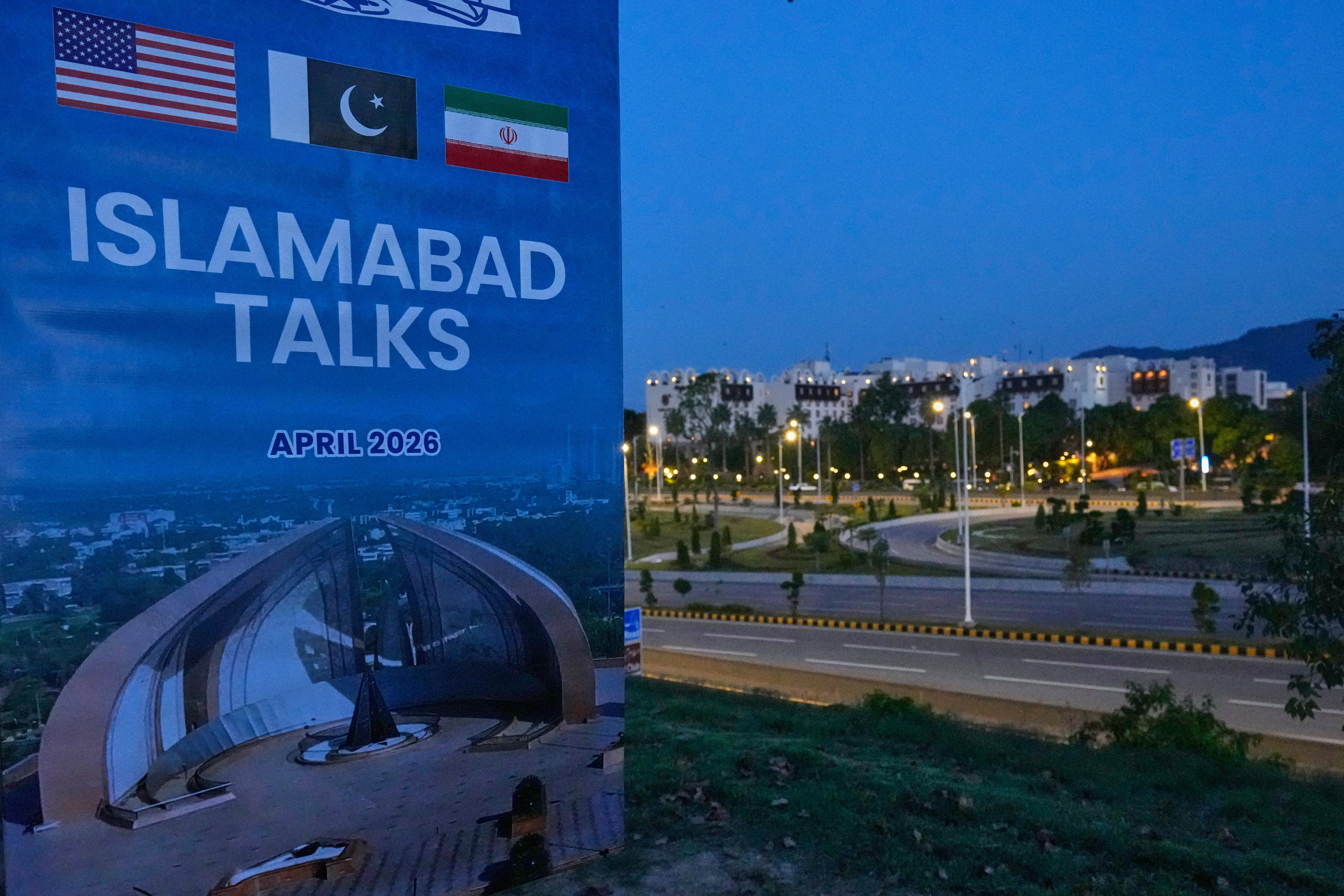
After 21 hours of high-level talks, the United States and Iran left the negotiations held in Islamabad without an agreement. The attempt to thaw relations ended up stuck on old red lines and new regional tensions, highlighting the depth of distrust between both countries.
What was the main obstacle?
The core of the disagreement was Iran's nuclear program. Tehran refuses to hand over its enriched uranium. Washington demanded a "verifiable and enduring" commitment. Vice President JD Vance made it clear that temporary guarantees were not enough. Frustrating Iran's nuclear ambitions was one of the main reasons the U.S. went to war. "Unfortunately, we could not make any progress," Vance stated.
The United States maintains that it presented a "clear" and "definitive" offer. Tehran responds that the negotiations stalled due to "excessive demands" from Washington. The conflicting accounts reflect the lack of a minimum common framework. Meanwhile, Donald Trump downplayed the process even before its conclusion, undermining the negotiating atmosphere. On his Truth Social platform, the former U.S. president hinted at a naval blockade if the negotiations failed: "If Iran refuses to accept the final agreement offered by the U.S. on Saturday, Trump could bomb Tehran back to the Stone Age, as he promised."
What role did the Strait of Hormuz play?
It was another critical point. Iran insists on maintaining control of the strait and proposes imposing tolls on maritime transit. For the U.S., that option is unacceptable. Iranian officials stated on Sunday that passage through Hormuz will remain restricted "until an acceptable offer from the U.S. is received."
Were there any advances in any area?
Very limited. According to Vance, "technical progress" was made, especially in security matters. However, these advances did not translate into political decisions. Pakistan, the mediator in the negotiation, claims that the dialogue has not broken down yet. Iran reproaches Washington for not stopping Israel in its bloody military operations in Lebanon. Additionally, the Islamic Republic demands the release of its frozen assets due to sanctions.
Any reason to be optimistic?
The negotiations are on hold, and both delegations left Islamabad on Sunday. Iran states that it is "not in a hurry" and places the responsibility on Washington, although a regime spokesperson indicated that diplomacy would continue. Ultimately, the clash between strategic demands —nuclear program, control of Hormuz, and regional balance— has hindered progress in the peace process.