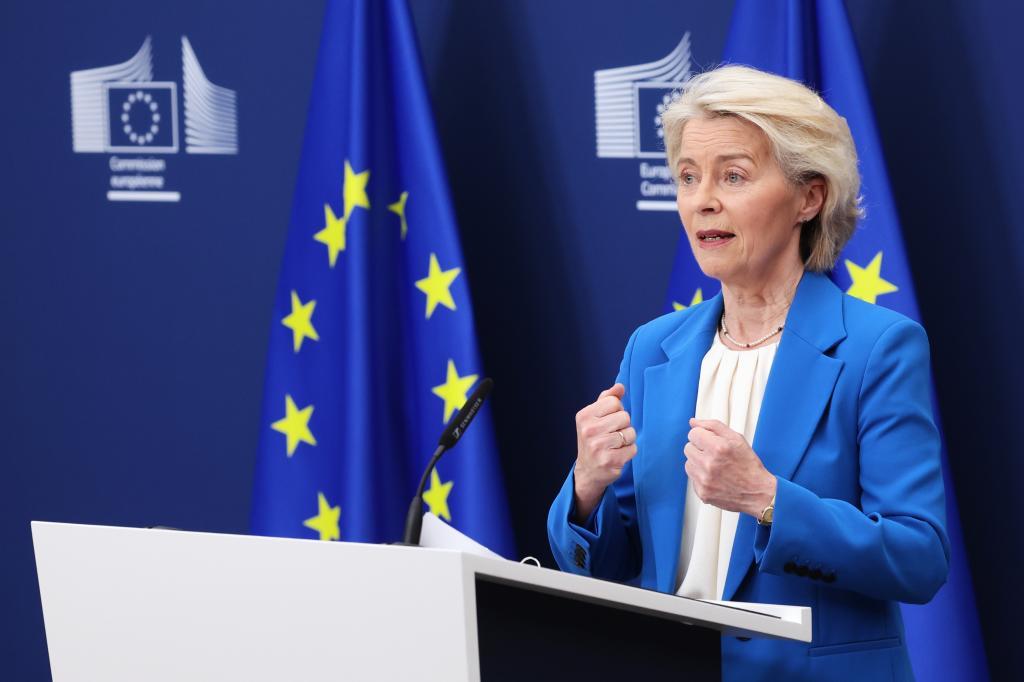
The central purpose of this reform is to eradicate the "systematic blockages" that have paralyzed the European Union's responsiveness in recent years, especially those recurrently imposed by the outgoing Hungarian President, Viktor Orban.
Currently, the most critical measures require unanimity, a requirement that has proven unfeasible and has forced the other 26 countries to agree on actions without Hungary, a situation described as an "anomaly" by the Commission. The proposed qualified majority system would require the support of at least 55% of the Member States (15 out of 27) representing at least 65% of the EU population. Von der Leyen argues that the Union must gain agility against global competitors such as China or the United States, which operate with a speed that Brussels currently lacks.
The EU leader expressed enthusiasm for the election result in Hungary and the victory of Péter Magyar, stating that his triumph makes the Union "stronger and more united". According to Von der Leyen, it is time to draw lessons and take advantage of this momentum for Hungary to fully return to the European path. However, the transition will not be easy: changing the voting rules requires, by definition, the unanimity of the 27.
Although Orban's departure removes the main obstacle, Slovak Prime Minister, Robert Fico, could pose a new challenge to consensus. Diplomatic sources indicate that Slovakia is ready to maintain blockages, such as the €90 billion credit to Ukraine, if the new Hungarian government changes its stance. However, there is confidence in Brussels that a single country will have more difficulties resisting diplomatic pressure than the previous axis had. The Commission hopes to start working with the new government as soon as possible to achieve long-awaited progress for the Hungarian people.