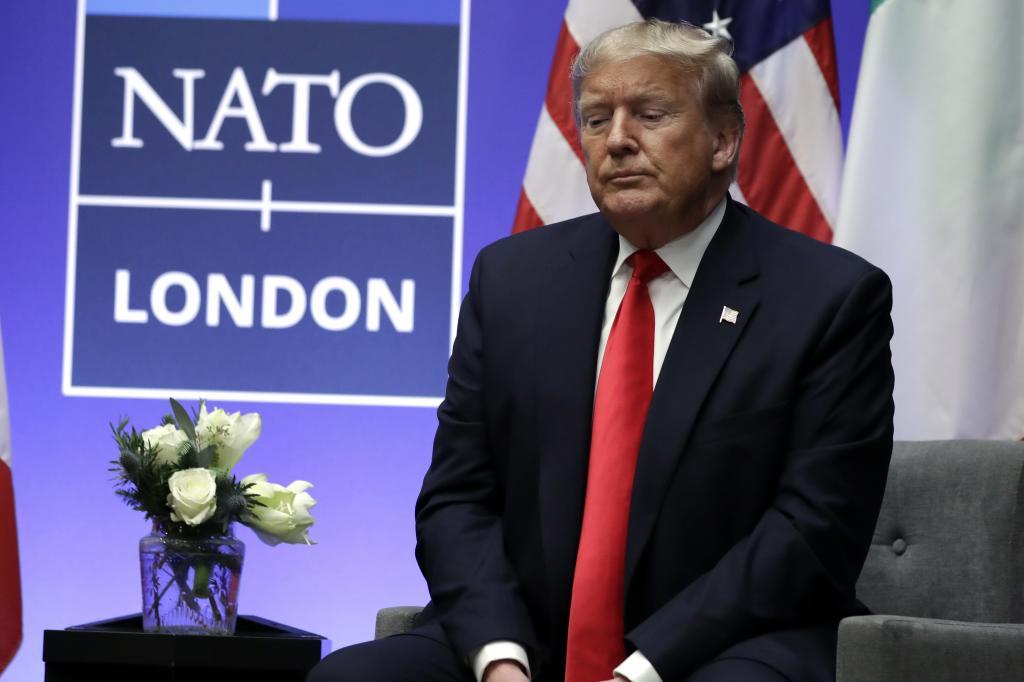
During a recent media appearance, the president strongly criticized that the alliance members had remained on the sidelines during the recent conflict and regretted not being consulted beforehand about the actions taken.
This discontent with NATO arises in a context of maximum international tension following the attack launched on February 28 by the forces of the United States and Israel. Trump has taken advantage of the situation to question the commitment of allies in protecting vital commercial routes, such as the Straits of Hormuz. According to the president, although Tehran claims to control the strait after the attack, U.S. Navy ships have already begun operations to clear the area of Iranian mines.
In a markedly hostile tone towards international cooperation, Trump justified the United States taking on these tasks alone due to the lack of initiative from other beneficiary states. "We are going to open the strait even if we don't use it because there are many other countries in the world that do use it and that are either scared, weak, or stingy," stated the president, suggesting that NATO and other partners are acting passively.
On the other hand, the president downplayed the diplomatic efforts of his own administration in Pakistan, where Vice President JD Vance leads a delegation to negotiate with Iran. Trump stated that he is indifferent to the outcome of these discussions because, in his view, victory is already assured. "Whether we reach an agreement or not, I don't care. The reason is that we have won. We have defeated them militarily," he declared, reinforcing his stance that the unilateral power of his country makes the support of allies, whom he considers an economic and operational burden, unnecessary.