After the first face-to-face negotiations between United States and Iran concluded without an agreement in Islamabad on Sunday, Pakistani mediators have accelerated their diplomatic efforts to resume talks before the fragile ceasefire can be broken and a large-scale war erupts again.
US sources cited by AP point to this Thursday as a possible date for a second round. The Pakistani capital remains on the table as a neutral venue, although Geneva is also mentioned as an alternative in diplomatic circles. Additionally, the Pakistani news agency Anadolu states that new "high-level" talks will be held "very soon" in Islamabad before the ceasefire expires, and that President Donald Trump also wants an agreement before his planned visit to China in mid-May.
Regardless of the location, the important thing is that the channels have not been closed. According to several US media outlets, envoys from both countries continue to exchange messages through indirect channels, engaging in shadow diplomacy to keep alive what the official meeting failed to seal.
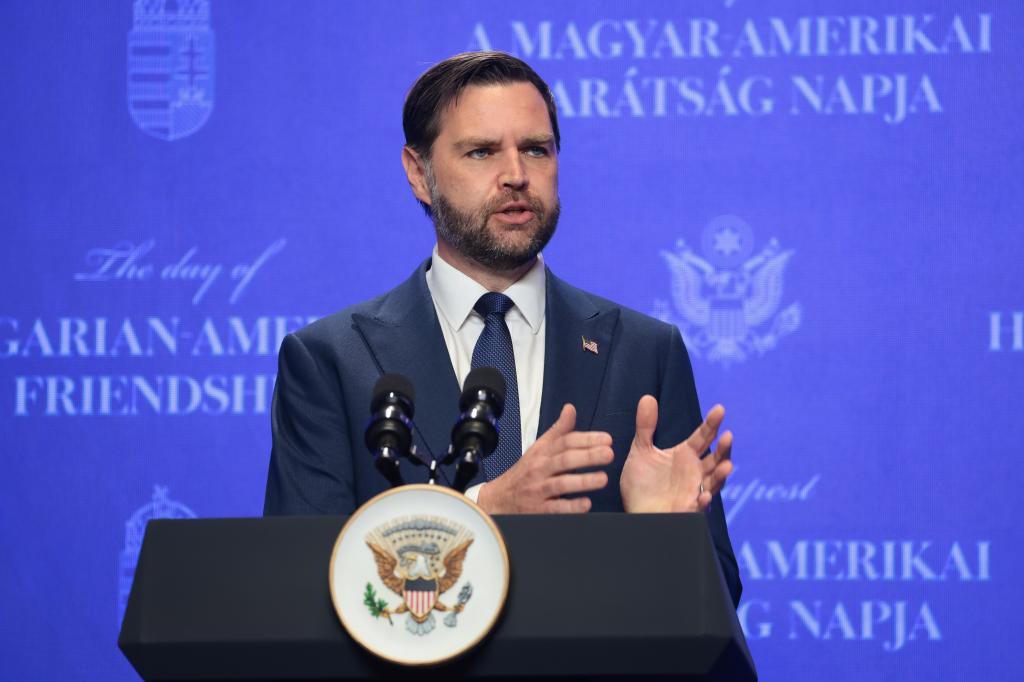
However, the public tone remains harsh. Vice President JD Vance, who led the US delegation, attributed the initial failure to Iran's refusal to commit to clear limits on its nuclear program. From the White House, Donald Trump reinforced that narrative, stating that "the right people" from Iran had contacted Washington showing urgency to reach an agreement, although it was not specified whether the contact was direct or mediated.
Meanwhile, pressure has escalated on the ground. The order to block maritime traffic in the Straits of Hormuz marks a turning point. The measure, activated on Monday morning, aims to force concessions from Tehran, which Washington accuses of obstructing free navigation. The immediate effect has been to exacerbate a global energy crisis that is already shaping up to be the most severe in decades.
Against this backdrop, Pakistani mediators are trying to lower the level of ambition to unlock the dialogue. The proposal is to start more technical, lower-profile discussions focused on specific issues: from the effective reopening of Hormuz to the limits of the Iranian nuclear program. It is an attempt to rebuild trust in a challenging environment.
According to the Financial Times, a key aspect of the failure of the negotiations last weekend was the confusion over different expectations regarding what was agreed upon for the two-week ceasefire: the Iranians believed that Israel's war in Lebanon against Hezbollah was included in the truce and that Washington had agreed to unfreeze $6 billion of Iranian oil funds held in Doha in exchange for the strait's reopening. None of this happened.
All diplomatic sources connected to the negotiations agree that fundamental differences remain substantial. Tehran wants to maintain flexibility over controlling the strait, including transit fees, and refuses to completely dismantle its nuclear infrastructure.
According to the latest revelations by Axios, the Trump Administration has reportedly proposed a 20-year moratorium on uranium enrichment to Iran, but the Iranians only offered to suspend their program for five years.
The Trump Administration also demands that the Islamic Republic cease funding groups designated by the US as "terrorist organizations," including Hamas, Hezbollah, and the Houthis. "The truth is that we need to see a firm commitment that they will not seek a nuclear weapon, nor the tools that would allow them to quickly obtain one," Vance stated after the initial talks.