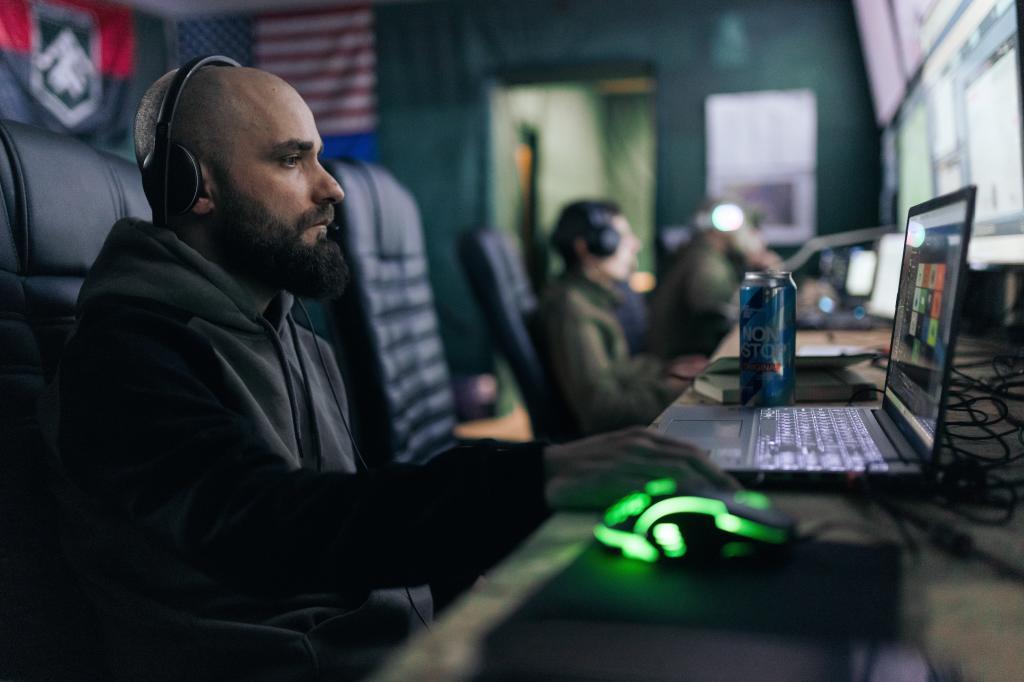
The war in Ukraine has entered a new phase marked by the massive use of unmanned technology. The Ukrainian Army has recently achieved an unprecedented milestone: conquering a Russian position using exclusively aerial drones and ground robots, without direct intervention of soldiers on the ground.
According to Ukrainian President, Volodymyr Zelensky, the operation resulted in no casualties on their side and culminated in the surrender of Russian forces in that position, reflecting a profound change in the way of fighting on the front.
This type of actions is supported by a rapid expansion of unmanned systems. In recent months, Ukraine has carried out over 22,000 missions with ground robots and drones, a significantly higher number than the previous year. These devices - such as the models Ratel, TerMIT, or Volia - can transport explosives, conduct reconnaissance, evacuate the wounded, or even force the enemy to surrender.
The use of these systems responds, in part, to the need to reduce human casualties in a prolonged conflict. Ukrainian authorities argue that the robotization of the front line allows avoiding exposing infantry in areas highly monitored by enemy drones and artillery.
Furthermore, ground robots have ceased to be an experimental tool to become a regular element of combat. In the first quarter of 2026, the Ukrainian army carried out nearly 24,500 missions with these systems, already integrated into over a hundred deployed units.
In parallel, aerial drones continue to play a decisive role. Ukrainian military authorities claim that these devices are responsible for a significant portion of Russian losses on the front, highlighting their strategic impact.
Military experts believe that this combination of drones and ground robots is transforming warfare into a more automated model, where artificial intelligence, constant surveillance, and remote systems progressively replace traditional operations.
Although territorial advances remain limited and not always stable, analysts point out that technological development is allowing Ukraine to regain ground at specific moments, altering the balance in a conflict that had been stagnant for years.
This shift towards "robotized warfare" not only redefines the battlefield in Ukraine but also anticipates a broader transformation in future conflicts, where direct human presence could become increasingly less decisive.