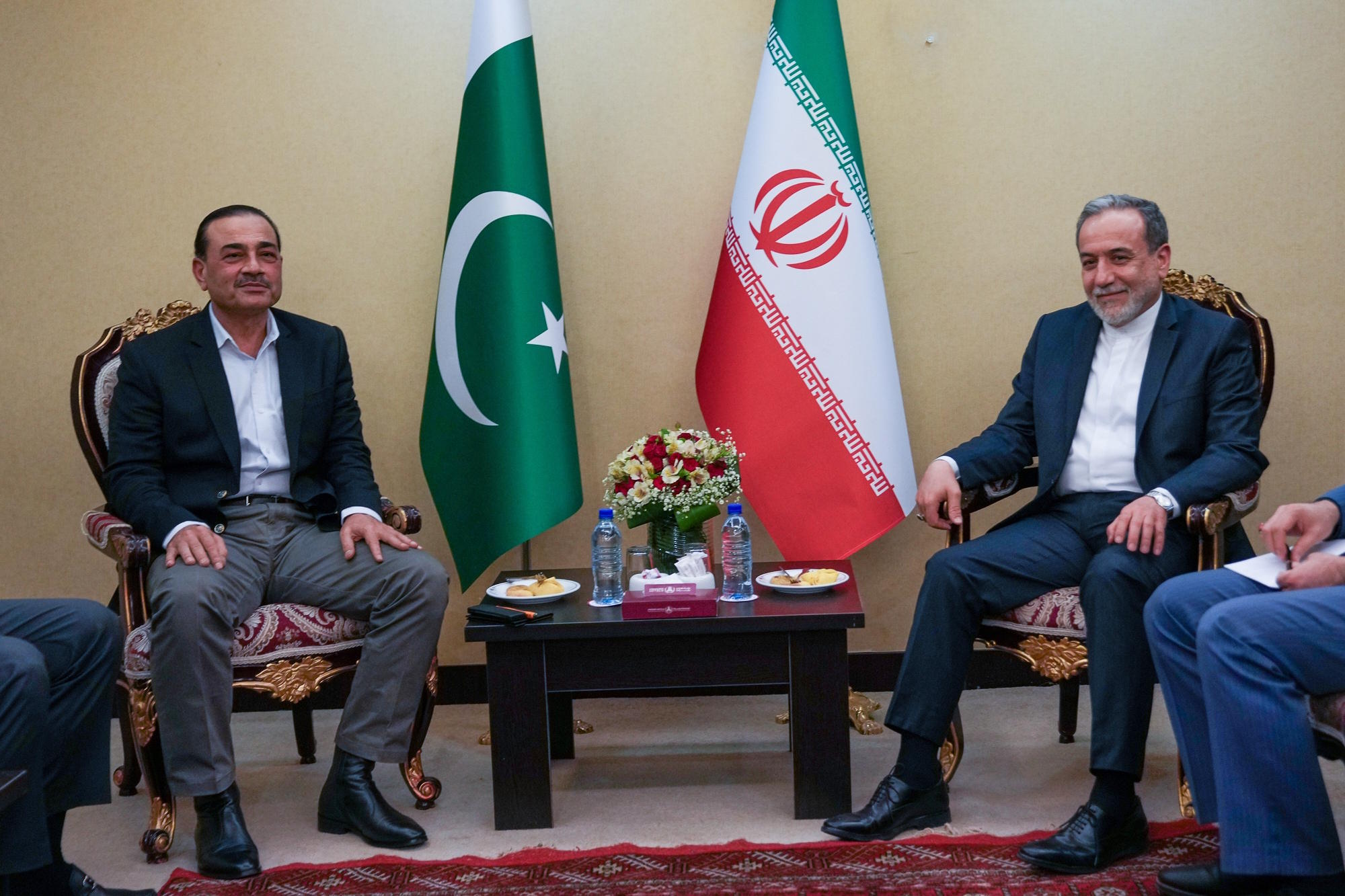
The Minister of Foreign Affairs said this Friday that the passage of ships through the Strait of Hormuz is open during the remaining ceasefire, which ends next Wednesday. The passage of ships through the strait will be done through the coordinated route, as already announced by the Ports and Maritime Organization of Iran, added Abbas Araqchi in a post on X.
Following the announcement, the price ofoil has plummeted by 10%.
The Lebanese army accused Israel on Friday of committing "acts of aggression" and bombings in violation of the ceasefire that came into effect at midnight in the country, while Hezbollah announced that it attacked Israeli soldiers in retaliation.
The ceasefire, which began at midnight local time in both countries (21:00 GMT on Thursday), comes as Washington intensifies its efforts to reach an agreement to end the war with Iran. Tehran insists that a potential peace agreement is only possible with a ceasefire in Lebanon.
This afternoon, the Israeli Minister of Defense, Israel Katz, declared this Friday that the Army "will maintain and continue to maintain" the territory it has occupied in southern Lebanon, and warned that Israel could attack again after the ten-day ceasefire in order to force Hezbollah to disarm.
Oil prices plummet over 10% following the announcement of the full reopening of the Strait of Hormuz
The price of oil is plummeting by over 10% following the full reopening of the Strait of Hormuz announced by Iran this Friday. With this drop, the price of a barrel of Brent, the European reference, falls below $89, a level not seen since early March. Read the full information by Laura de la Quintana.
Iran announces full opening of the Strait of Hormuz during the ceasefire
The Iranian Minister of Foreign Affairs, Abas Araghchi, announced this Friday that, in line with the ceasefire in Lebanon, the passage for all commercial vessels through the Strait of Hormuz is completely open during the remaining period of the ceasefire, as reported by Reuters.
Iran rejects a temporary ceasefire and calls for an end to the war in the entire region
Istanbul, April 17 (EFE). The Iranian government rejects an arrangement based on a temporary ceasefire with the United States and demands seeking a definitive end to the war in the entire region, including Lebanon and the Red Sea, said the Iranian Deputy Foreign Minister, Saeed Khatibzadeh, in Turkey on Friday, as reported by Efe.
Five million barrels of Iranian oil leave the Gulf, the first since the US blockade
Three Iranian oil tankers set sail on Wednesday from the Persian Gulf through the Strait of Hormuz with five million barrels of crude on board. These are the first departures of this kind since the US blockade of Iranian ports, according to the maritime data company Kpler, as reported to AFP on Friday.
According to Kpler's data, the Deep Sea, Sonia I, and Diona, all subject to US sanctions, transited through this strategic maritime route on Wednesday, all departing from Jark Island, where Iran's largest oil terminal is located, through which approximately 90% of its crude exports pass, according to a note from the US bank JP Morgan.
The tankers loaded their goods on the 2nd, 8th, and 9th of April, respectively. The Deep Sea and Diona carried two million barrels each, while Sonia I carried one million, according to Kpler.
Iran rejects a temporary ceasefire and calls for an end to the war in the entire region
The Iranian government rejects an arrangement based on a temporary ceasefire with the United States and demands seeking a definitive end to the war in the entire region, including Lebanon and the Red Sea, said the Iranian Deputy Foreign Minister, Saeed Khatibzadeh.
CIS Foreign Ministers address escalating tensions in the Middle East
The Foreign Ministers of the post-Soviet Commonwealth of Independent States (CIS) addressed today the unprecedented escalation of tensions in the Middle East caused by the war in Iran and the blockade of the Strait of Hormuz, declared the Russian Foreign Minister, Sergey Lavrov, after the CIS Foreign Ministers' Council held this Friday in Moscow.
"Special attention was paid to various aspects of the unprecedented escalation of tensions in the Persian Gulf region caused by the military aggression of the United States and Israel against Iran," he said at a press conference following the CIS Foreign Ministers' Council held this Friday in Moscow.
The Russian Foreign Minister pointed out that this crisis "has practically engulfed the entire Middle East" and "is fundamentally changing the general trends on the Eurasian continent, even in terms of how countries can ensure their security."
Israel will not leave southern Lebanon and could strike again after the ceasefire
The Israeli Minister of Defense, Israel Katz, declared this Friday that the Army "will maintain and continue to maintain" the territory it has occupied in southern Lebanon, and warned that Israel could strike again after the ten-day ceasefire to force Hezbollah to disarm.
"The Israel Defense Forces will maintain and continue to maintain all the places they have liberated and occupied," said Katz in a video message referring to the 10-kilometer-wide strip in southern Lebanon that Israel militarily controls and where troops continue to demolish homes and buildings.
Regarding the broader area from the border to the Litani River, Katz said that in this area, Israel still needs to confiscate weapons and fight Hezbollah militants either "through diplomatic means or through the continuation of military activity" after the ceasefire.
"If the fighting resumes, residents returning to the security zone must evacuate to allow the mission to be completed," he added about the Lebanese civilians who have already tried to return to their homes.
Iranian Tankers Cross the Strait of Hormuz
Three Iranian tankers left the Gulf on Wednesday through Hormuz with five million barrels. These would be the first since the US blockade.
According to Kpler, the Deep Sea, Sonia I, and Diona, the three sanctioned by the United States, crossed this strategic maritime passage on Wednesday, all from the island of Jarg, which houses Iran's largest oil terminal, through which around 90% of its crude exports pass, according to a note from the US bank JP Morgan.
The tankers loaded their respective goods on the 2nd, 8th, and 9th of April. The Deep Sea and Diona each transported two million barrels, while Sonia I transported one million, according to Kpler.
Washington has imposed a blockade on Iranian ports since Monday, aimed at preventing Tehran from exporting its oil, when these exports had not been affected since the start of the war on February 28.
Petro: Spain's stance on the war in Iran is "at the forefront in Europe"
The Colombian President, Gustavo Petro, stated this Friday that Spain's position on the war in Iran and migration is at the forefront in Europe.
as Hitler said of the Jews, but enriching," he said on 'Los Desayunos' of RTVE and EFE.
The Energy Crisis from the War with Iran Boosts Nuclear Plans in Asia and Africa
The global energy impact of the war with Iran is leading some countries in Asia and Africa to increase nuclear energy generation and is driving atomic energy plans in non-nuclear countries on both continents.