As reported by the Attorney General of the Republic, Rodolfo Delgado, these crimes were directly ordered by the gang's leadership and carried out nationwide, creating a climate of "fear and mourning" in thousands of Salvadoran families over a decade.
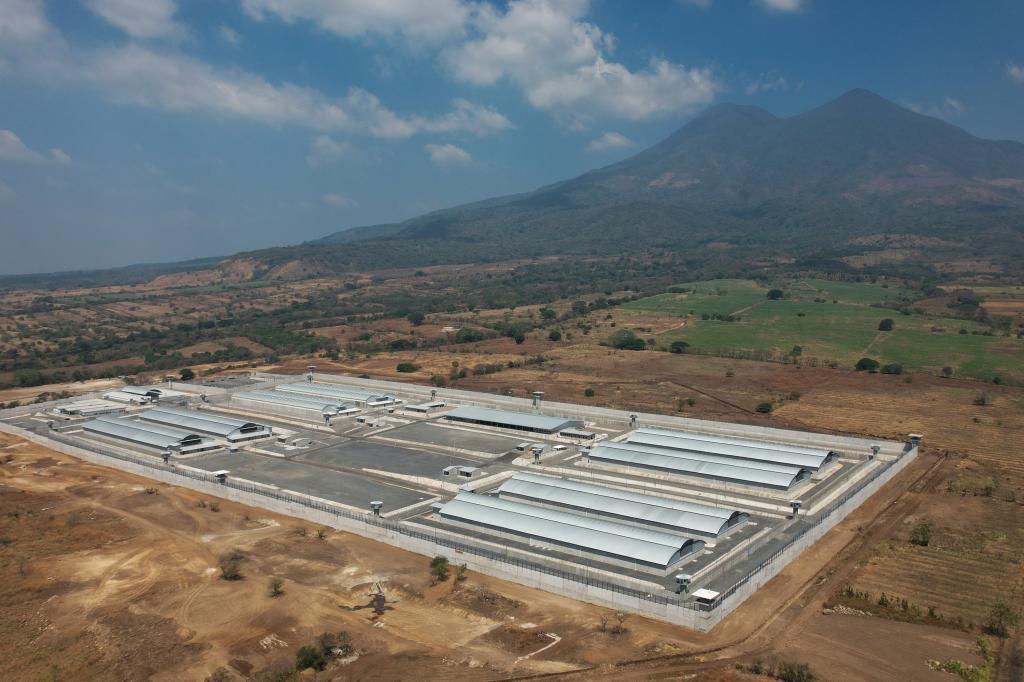
The judicial process encompasses charges of extreme gravity, including homicide, femicide, extortion, arms trafficking, and forced disappearances. The hearings are taking place in a Court against Organized Crime, following the Penal Code reform approved in July 2023, which allows grouping the accused based on their affiliation with criminal groups or specific territories. Currently, 413 of the defendants are held in the Counterterrorism Confinement Center (CECOT), the maximum-security prison built under President Nayib Bukele's administration.
This mega-trial is part of the state of exception in place since March 2022, a measure that has led to the arrest of around 91,300 individuals with alleged gang ties. However, sources indicate that the state of exception has faced criticism as it suspends fundamental rights such as access to legal counsel or notification of the reasons for detention. Additionally, it allows security forces to intercept telecommunications without a court order and extends detention without a hearing for up to 15 days.
While the Government defends the effectiveness of these measures, stating that about 8,000 innocent individuals have been released after initial capture, human rights organizations denounce a concerning reality. According to the data from sources, over 6,000 complaints of abuses have been filed, and the death of at least 488 individuals while in state custody has been documented. This process solidifies the trend of collective sentencing in the country, following previous trials against members of other gangs like Barrio 18.