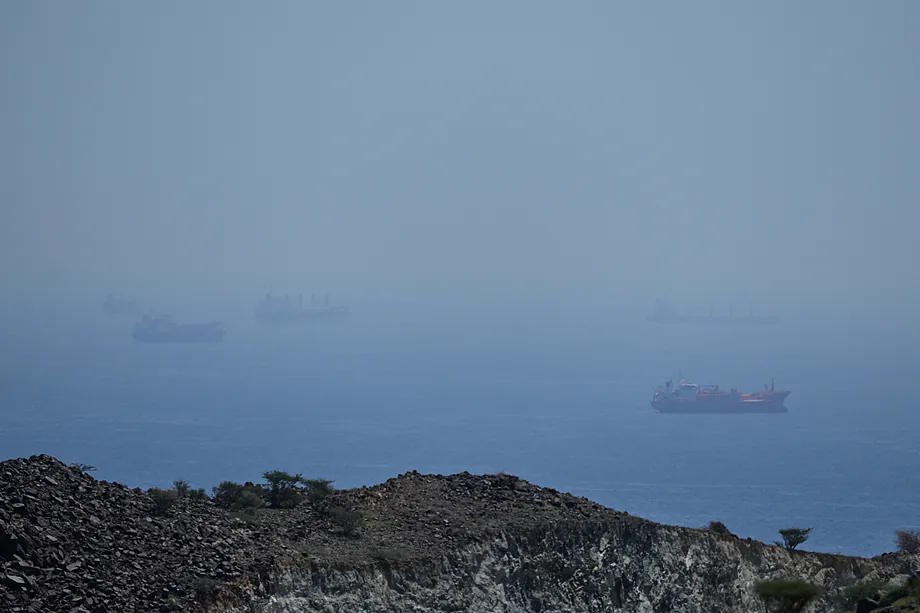
The queues at gas stations in Dhaka lengthen every dawn like a thermometer of anxiety. In Bangladesh, rationed fuel has ceased to be a temporary measure to become routine. In the Philippines, Pakistan, or Sri Lanka, governments have opted for four-day workweeks and extended holidays to contain an energy demand they can no longer sustain. Myanmar limits the use of private vehicles on alternate days, and Thailand, in an uncomfortable turn, has reactivated coal-fired power plants that until recently symbolized the past. But the bottleneck in the Strait of Ormuz not only raises energy costs: it is also dismantling the invisible foundation of global food security.
The shock, warn economists and international organizations, is not only measured in barrels. The interruption of gas and derivative flows is hitting the fertilizer industry hard, a sector extremely sensitive to energy prices. In India and Malaysia, several plants have reduced or halted production due to unsustainable costs. It is a textbook domino effect: less gas means less ammonia; less ammonia, less urea; less fertilizer, lower agricultural yields. And that decline, although still incipient, is beginning to cast a long shadow over the next global harvest.
Of the 45 million people who, according to the most recent projections of the World Food Program (WFP), could fall into famine if the conflict in the Middle East persists and oil remains above $100 per barrel, almost two-thirds live in Asia and Africa. This would raise the global total to 363 million, constituting the worst hunger crisis ever recorded.
Indermit Gill, Chief Economist of the World Bank, has added more figures this week to the vertigo: "Current levels of acute food insecurity, already affecting about 300 million people, could increase by 20% within months". Asia, more dependent than any other part of the world on energy from the Gulf, faces a shock that some analysts compare to the pandemic, but with a crucial nuance: the epicenter is logistical and productive. Major economies like China, with greater strategic reserves, buy time. The southern part of the continent, on the other hand, is facing a perfect storm with canceled flights, fractured supply chains, idle factories, and inflation directly hitting the most vulnerable layers.
In major Indian cities, basic products like bottled water have started to become more expensive and scarce, an early symptom of deeper tensions in distribution. The Philippines imports over 90% of its energy from the Middle East; Bangladesh, India, and Pakistan receive about two-thirds of their liquefied natural gas through Ormuz. The dependence is structural and leaves little room for short-term maneuvering.
But the real turning point lies in fertilizers. It is estimated that over a third of the world's trade in key inputs - urea, ammonia, and diammonium phosphate - passes through that narrow bottleneck. Máximo Torero, Chief Economist of the Food and Agriculture Organization of the United Nations (FAO), puts it bluntly: between 20% and 30% of these products are not being distributed normally. "That delay is critical," he insists. The reason is temporary: a good portion of the shipments that left before the crisis have already reached their destination. The world is now entering a more delicate phase, where the lack of replenishment is starting to be felt as prices soar.
The FAO warns that the lack of fertilizers could lead to a 50% drop in cereal yields in the main regions of Africa. Experts emphasize the risk: faced with more expensive or scarce fertilizers, many farmers will choose to reduce their use, a rational decision in the short term but devastating in terms of productivity. Less fertilization means lower yields in staple crops like wheat, rice, or corn. And here comes a second domino effect: exporting countries, fearing for their own supply, could activate export restrictions, as has happened in previous crises. The result would be a global food inflation storm. There are already reports pointing to isolated cases in Asia where small farmers are choosing not to plant rice this season due to rising costs.
Africa appears on the horizon as the next piece to fall. "As the crisis prolongs, it will spread more and more towards sub-Saharan African countries, which depend on imports to feed their megacities and where food prices condition social peace," Gill added.
The Ormuz crisis has ceased to be a problem of maritime routes to become a systemic threat: energy, fertilizers, crops, and prices form a chain that, once strained, is very difficult to restore. In that scenario, every day counts. Because, as agronomists remind us, agriculture does not understand geopolitical urgencies, but responds to biological calendars. If the planting window is missed, the impact will not be seen tomorrow but months later, when it will be too late to correct it.