Steaming like an onsen, the Japanese hot springs. This is the scene surrounding Lake Toya, an impressive 10-kilometer diameter caldera surrounded by active volcanoes in Hokkaido, one of Japan's most spectacular natural destinations. Of all of them, the undisputed star is the fiery Mount Usu to the south, which has erupted four times in the last 100 years, the last one in 2000. This furious activity and the surrounding landscape earned it its designation as a UNESCO Geopark in 2015.
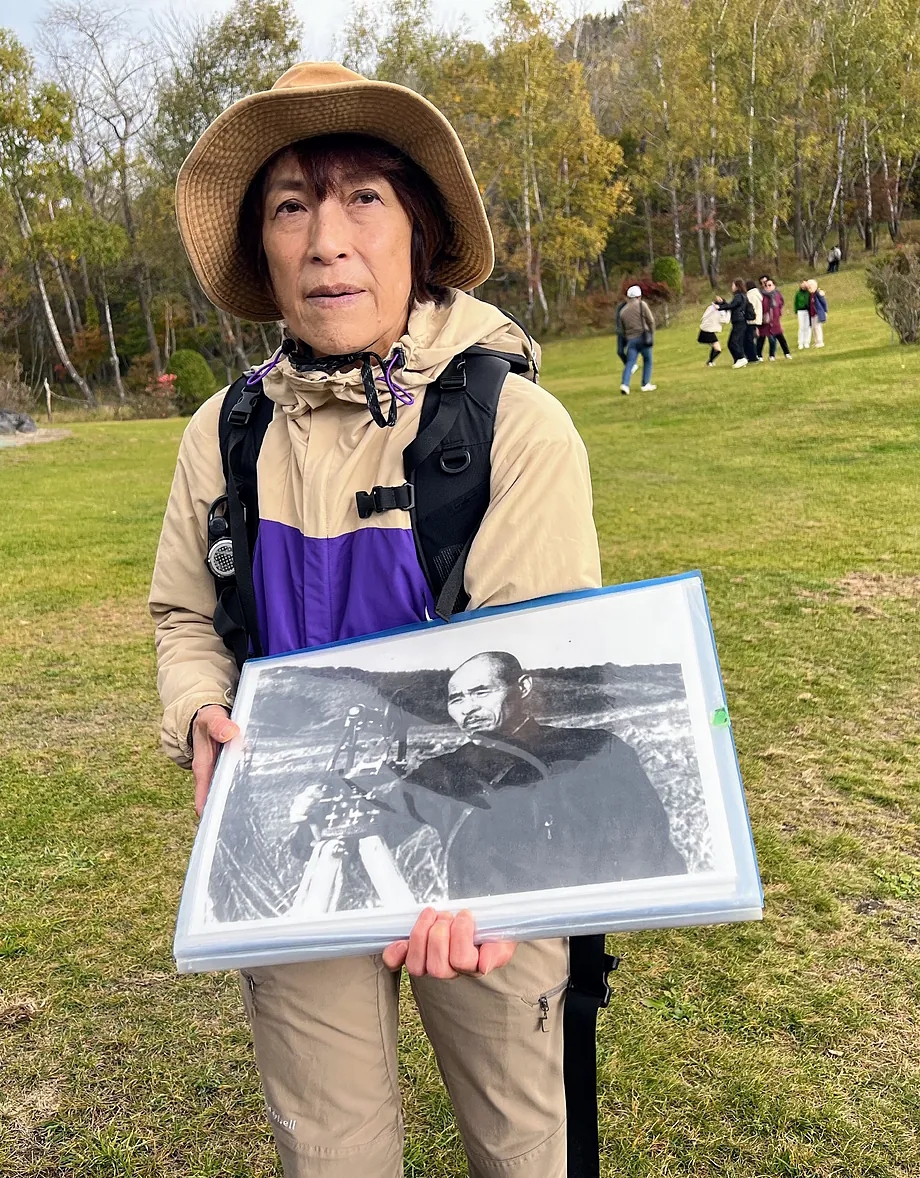
At its feet, a visitor center showcases both the science and history of the place. Because there is a very curious detail in Usu's fiery resume: its penultimate eruption, between 1943 and 1945, resulted in the birth of a new volcano next to it, the Showa Shinzan, which now reaches 400 meters in height and continues to emit sulfurous vapors. Just below, a sculpture commemorates the figure of Masao Mimatsu (1888-1977), a local postman and amateur volcanologist.
Mimatsu, always attentive to nature's changes, had seen how the bubbles emerging from Lake Toya turned this corner of the island into a new thermal destination. But what happened at the end of '43 was more striking. A series of explosions began violently shaking the wheat fields in front of his window: incessant volcanic activity that would last for nearly twenty months. "During that time, Mimatsu devised a precise measurement system with fishing lines stretched horizontally, allowing him to record the growth of the new mountain," says Rie Egawa, a certified guide from Hokkaido. Years later, the so-called Mimatsu Diagram would be recognized by volcano experts. But most surprisingly, "Mimatsu even went on to buy the Showa Shinzan with his own savings to study it further." Thus, the postman became the "sole owner of an active volcano in the world."
Cable car to the summit of Usu
For the visitor, in addition to this fascinating geological love story, Mount Usu offers one more attraction: a brand new cable car that allows you to ascend to the summit in just 6 minutes. It is easy that up there, emotions will soar again. From a platform, Lake Toya can be seen in all its splendor and, on a clear day, also Mount Yotei, the most iconic summit of the island, known as the Mount Fuji of Hokkaido. A true wonder. It makes you want to stay and gaze for hours. Some people enjoy a coffee at a small café at the top, where the wind usually blows strongly.
And there is more. Following a trail on foot, you reach a second platform suspended over the volcano's crater and, looking up, the dark waters of the Pacific Ocean appear. All of Hokkaido's spirit, Japan's last frontier, in one glance.
Getting too close to Showa Shinzan is prohibited, for obvious reasons. However, the geopark is crisscrossed by trails that attract numerous visitors for cycling or hiking. It is always advisable to do so accompanied by a certified guide, like Egawa, because it is precisely this coexistence of nature with the community living in the shadow of so many volcanoes that makes this corner of Japan even more interesting. In fact, one of the recommended visits includes several buildings destroyed by Usu's successive eruptions. One of them is a school that remains as the volcano left it. "It is a way to remind people of the dangers posed by this nature," explains Egawa.
After so much physical activity, Mount Usu inevitably whets the appetite. Luckily, we are in Hokkaido, where almost any gastronomic choice becomes a memorable experience. It is true that each place has its specialty, and here, on the shores of Lake Toya, the must-try dish is curry soup: a rich and aromatic broth, well stocked with meat, seafood, and vegetables, and with a generous level of spiciness.
It is worth visiting the Soup Curry HLAHAL restaurant, whose tables overlook the lake directly. They work with seasonal vegetables from Hokkaido and incorporate variations according to the season, a perfect ending to the visit to this volcanic landscape.
PRACTICAL GUIDE
How to get there. Hokkaido has several airports with direct flights from Tokyo: Asahikawa, in the center of the island, and New Chitose, closer to Sapporo. The easiest way to access the area of Mount Usu and Showa-Shinzan is by car: two hours from Sapporo or an hour and a half from New Chitose Airport.
Where to stay. In Sapporo: Monterey Edelhof Sapporo. Central and modern. Next to Odori Park and the Sapporo TV Tower. In Jozankei: Jozankei View Hotel. Complex with hot springs in the homonymous spa town. In Noboribetsu: Noboribetsu Grand Hotel with highly recommended indoor and outdoor hot springs.