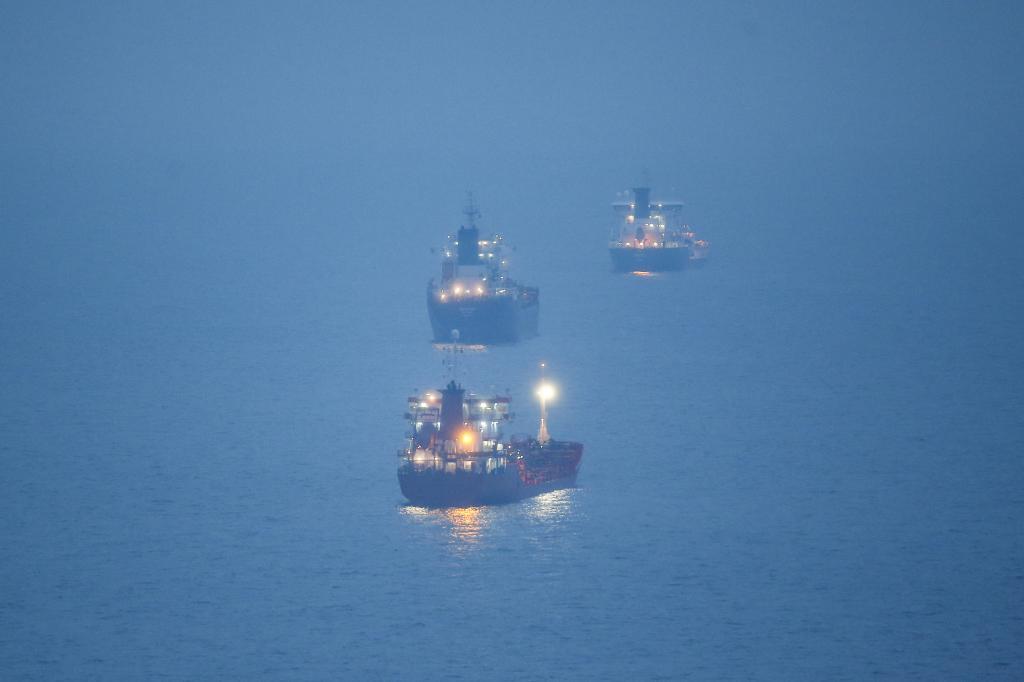
This military maneuver occurs in a context of open hostilities, almost two months since the United States and Israel initiated their armed conflict against Iran.
The Pentagon has confirmed direct actions by its elite units to halt the sanctioned oil flow. According to an official statement issued through the social network X, "During the night, US forces carried out a maritime interception and a right of visit boarding of the sanctioned and flagless vessel M/T Majestic X, which was transporting oil from Iran in the Indian Ocean." Images provided by the Department of Defense show military personnel rappelling down from helicopters onto the decks of the ships in the INDOPACOM area of responsibility.
In addition to the Majestic X, authorities reported the interception of the M/T Tifani, identified as a "Botswana-flagged oil tanker" by maritime intelligence firms. According to security sources, the United States has diverted at least three more oil tankers with Iranian flags in recent days to reinforce the embargo. Among the affected vessels is the super oil tanker Deep Sea, last seen off the coast of Malaysia, and the Dorena, which was carrying a full load of two million barrels of crude oil near southern India.
The vessel Sevin, with a capacity of one million barrels, was also captured after being tracked in Southeast Asian waters. These military actions have had a devastating impact on the global economy. The closure of the Strait of Hormuz has disrupted the supply of one-fifth of the world's oil and gas, causing a global energy crisis.
Tehran, on the other hand, has responded by capturing container ships in the strait, stating that Washington "will continue to enforce maritime law globally to dismantle illicit networks and intercept vessels providing material support to Iran, wherever they operate." Despite a fragile ceasefire, the international community watches with concern the lack of progress in peace talks, while naval forces from both sides maintain a state of high alert in the world's main trade routes.