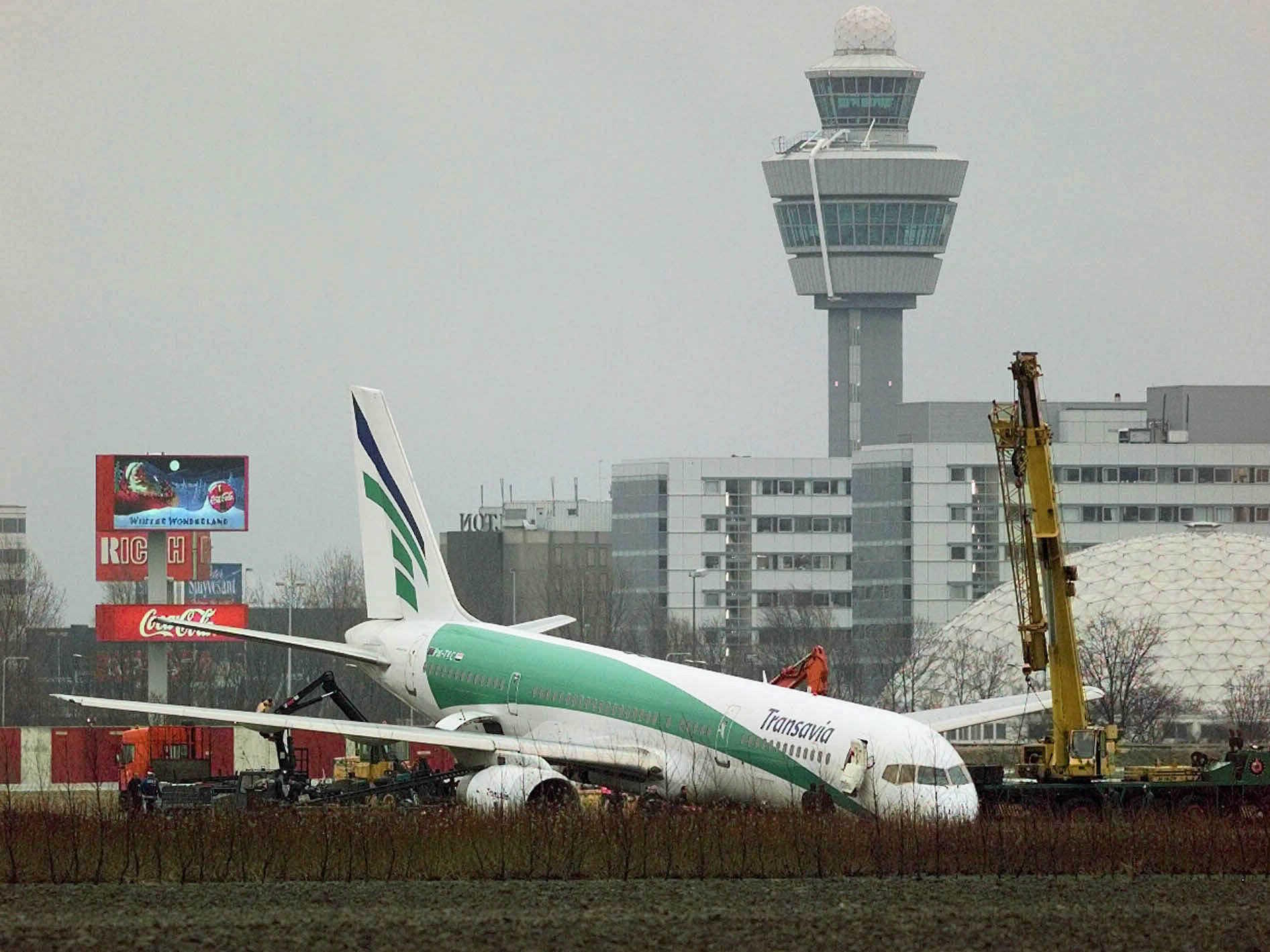
Flight cancellations in Europe worsen due to the conflict in the Middle East. The low-cost airline, Transavia, a subsidiary of the Air France-KLM group, has announced the cancellation of part of its flight schedule for the months of May and June. The decision is a response to the escalation in jet fuel prices due to the instability in the Strait of Hormuz.
This time, the decision by the French subsidiary, which usually sells flights to holiday destinations in the Mediterranean and North Africa, threatens to further strain seat availability during the peak summer season.
Through an official statement, the company has informed that, "due to the current geopolitical context in the Middle East and its repercussions on aviation fuel prices," the company has been forced to adjust its flight program and proceed with the cancellation of various operations planned for the end of the second quarter of 2026.
Transavia is not the only operator raising concerns about the financial imbalance caused by energy costs. Less than a week ago, the Lufthansa Group announced a massive restructuring of its summer schedule, confirming the cancellation of 20,000 short-haul flights until October.
While the statement does not specify the total number of cancellations, airline sources estimate the impact to be less than 2% of its capacity. The company has emphasized that affected customers will be notified via email and SMS. Depending on their preference, they can choose to reschedule their trip at no additional cost, receive a full ticket refund, or keep the amount as a voucher for future journeys.
Additionally, the company has highlighted that in most cancellation cases, an alternative for the same route will be proposed within a maximum of 24 hours.
However, there is no need to wait for the six-week period estimated by the International Energy Agency (IEA) for EU reserves to reach a critical threshold. This situation triggers drastic measures in the sector, which is already considering price increases to offset the rising jet fuel costs, which have more than doubled since February 28.