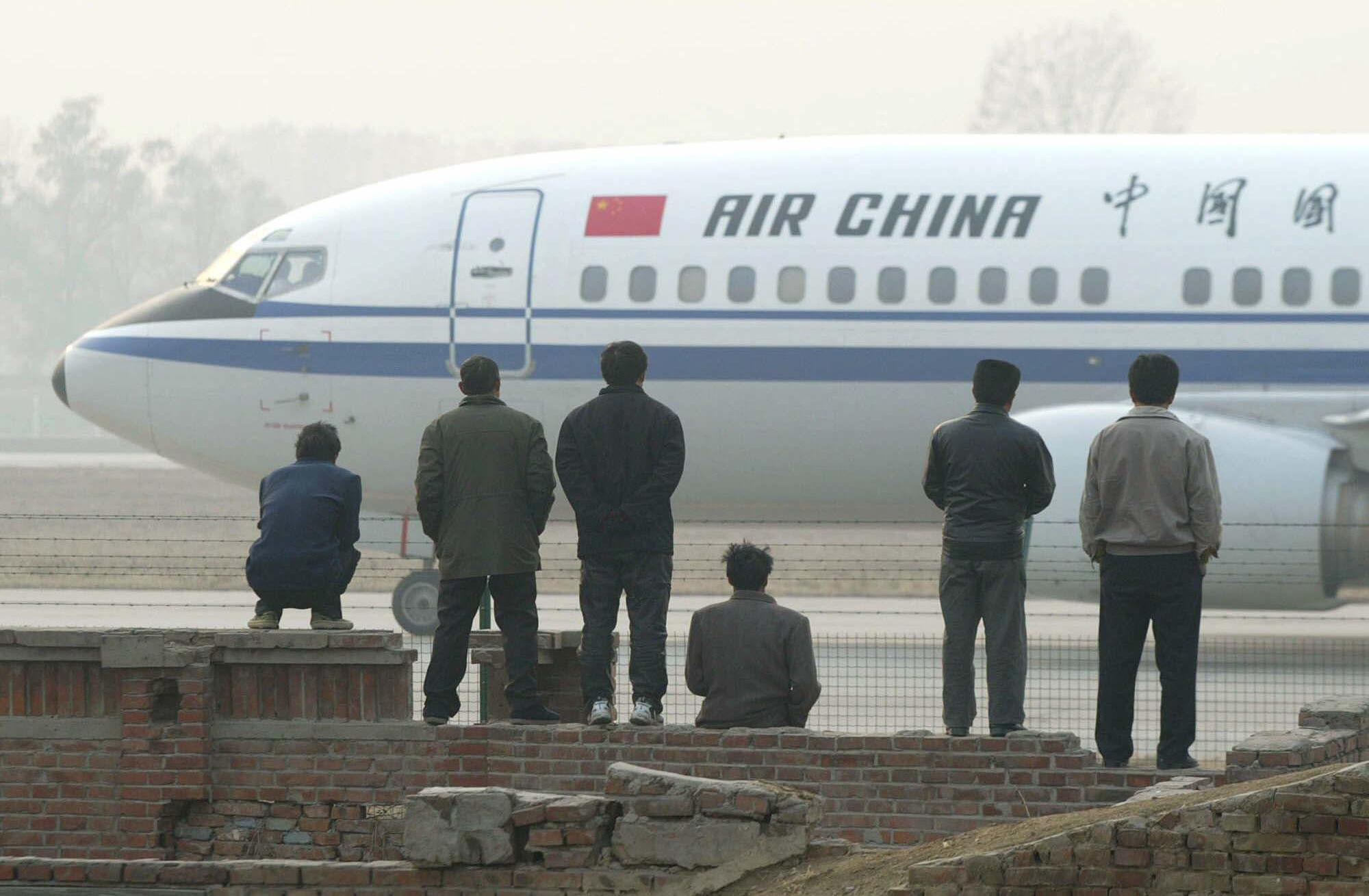
The accident, which occurred on March 21, 2022, claiming the lives of 132 people, is now seen as the most serious air disaster in China in the last three decades. According to the latest information analyzed by international experts, the disaster was not due to a technical failure, but "everything indicates that it was intentional."
Technical data extracted from U.S. investigations reveal a terrifying sequence of events in the cockpit. According to reports, the plane disintegrated upon impact with the ground after a series of deliberate actions: "the pilots shut down both engines (at an altitude of about 9,000 meters), disengaged the autopilot, readjusted the autopilot to make the aircraft even more aerodynamic, and pushed the lever down, all to make the plane reach the highest possible speed."
The descent was so steep that no one on the ground received any warning signals, despite the controllers' repeated calls. In its final moments, the aircraft exceeded its structural limits, reaching speeds of "1,125 kilometers per hour," a figure close to the speed of sound.
"The impact was so violent that the Boeing disintegrated into more than 50,000 pieces" upon crashing into a hill south of Wuzhou. The U.S. National Transportation Safety Board (NTSB) initially suggested that the crash was "intentional." In the cockpit were three professionals: Captain Yang Hongda, veteran Zhang Zhengping —who had been "demoted" to first officer for unknown reasons— and a 26-year-old observer. To this day, "it is unknown whether the captain, the first officer (who remains the main suspect), or the second officer are among those responsible."
Despite the black boxes providing crucial clues, the Civil Aviation Administration of China (CAAC) has maintained a policy of absolute opacity. After years of evasiveness, the Chinese authority responded in May 2025 to a victim's family member, stating that releasing information about the investigation "could jeopardize national security and social stability." Under this argument, the agency has officially decided "not to disclose such information," fueling international frustration over a case where evaluating the "psychological state of the crews" seems to be the key that the Chinese government does not want to reveal. While the cockpit voice transcripts remain missing, the world watches with suspicion a wall of silence that prevents the wounds of one of the greatest tragedies in modern aviation from healing.