Donald Trump desperately clings to the ceasefire with Iran. Despite the Pentagon confirming on Tuesday that the Revolutionary Guard has attacked US forces at least 10 times since direct hostilities ceased; despite Tehran firing at commercial ships nine times and capturing two container ships; and launching missiles, drones, and boats against Oman and the United Arab Emirates on Monday, the White House continues to support the truce, after witnessing the devastating effects of the conflicts on energy prices and political polls in an election year.
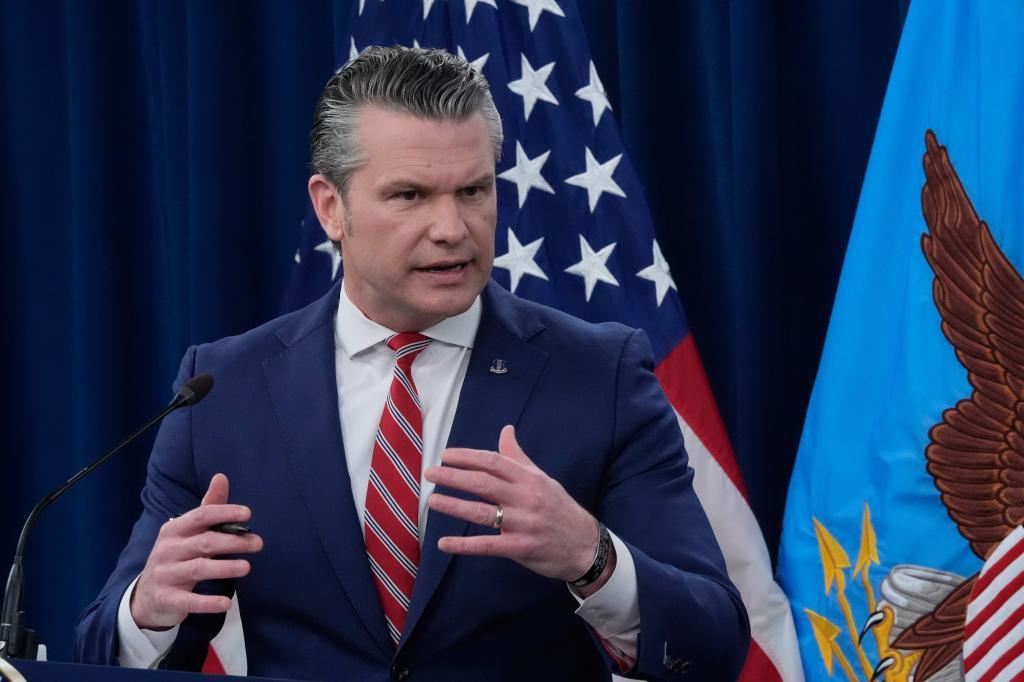
The news of the last 48 hours is not hopeful. Images of ballistic missiles, burning facilities, and vessels are accompanied by rumors of a possible resumption of US and Israeli bombings, potentially involving some Gulf countries. On Monday, Donald Trump reiterated that the ayatollah regime will be "wiped off the face of the earth" if they continue their behavior. Today, Secretary of Defense Pete Hegseth stated that "Iran will face overwhelming fire if they attack commercial ships."
However, Washington clings to a thin thread, stating that "Operation Freedom is defensive in nature, with limited scope and temporary duration" and that there are already visible results. "Iran has been harassing ships, firing at civilian tankers from all nations, and trying to impose a toll system. Iran's plan, a form of international extortion, is unacceptable, and that has ended with Operation Freedom. Two US merchant ships, along with US destroyers, have safely transited the strait, demonstrating that the route is clear. We know that Iranians are embarrassed by this fact because they claim to control the strait. This is not the case, so US ships have opened the passage, both commercial and military, assuming the initial risk from the front, as Americans always do, and at this moment, hundreds of ships from nations around the world are preparing to transit," Hegseth added.
The top military official, General Dan Caine, admitted that "since the ceasefire was announced, Iran has fired at commercial ships nine times and captured two container ships, in addition to attacking our forces more than ten times, all below the threshold for resuming major combat operations." When asked what would be enough to cross that threshold, he evaded the question. "Restarting hostilities is a political decision that is above my authority. What I can say is that currently, it is low-intensity harassment fire. It seems like Iran is desperate to try something on the southern flank," the general insisted.
"No, the ceasefire has not ended. Ultimately, Operation Freedom is a separate project from Operation Epic Fury. We expected some instability at the beginning, and it happened. We said we would defend the area firmly, and we have done so. Iran knows it, and ultimately, the president will decide if the situation escalates and constitutes a violation of the ceasefire. However, we urge Iran to be cautious in their actions and to keep the situation below this threshold. This is about the straits, freedom of navigation, international waterways, free flow of commerce, everything that happened before, and only Iran is questioning it. Therefore, the ceasefire remains, but we will be closely monitoring," Hegseth reiterated in the same briefing.
His entire intervention focused on reiterating that the US has control of the area without needing to be deployed in Iranian territory and waters; that President Donald Trump is a great leader; and that US forces are ready to be reactivated within hours if necessary, boasting of all assets in the area.
"Operation Freedom is designed to protect commercial maritime transport and help restore commercial flow through the strait and maintain freedom of navigation. CENTCOM has established a reinforced security zone on the southern side of the strait, now protected by our ground, naval, and air resources to counter any Iranian aggression against commercial maritime transport. On the surface, guided missile destroyers and other warships are detecting and neutralizing Iranian threats. This includes fast boats and one-way attack drones in the air. Over 100 combat aircraft and other manned and unmanned aircraft, synchronized by the 82nd Airborne Division, are in the air 24 hours a day, providing defensive surveillance for the reinforced security zone and its accesses," Hegseth detailed.
"These forces consist of over 15,000 US military personnel and have established localized air and maritime control to protect against Iranian threats. Commercial ships transiting the area will see, hear, and frankly, feel our military power around them, at sea, in the air, and on the radio, and as mentioned earlier today, US-flagged merchant ships have transited the area, and we anticipate more will do so in the coming days," Hegseth stated.