Spaniards are very concerned about the international context and are pessimistic about the future due to wars. This has led to mistrust towards countries like the US because of the line maintained by Donald Trump, resulting in more than half of citizens now calling to look towards China and other powers instead of the historical alignment with Washington.
This is evident from a study by the Center for Sociological Research (CIS), where the organization chaired by José Félix Tezanos focuses its questions on the international situation and the context marked by the Iran war.
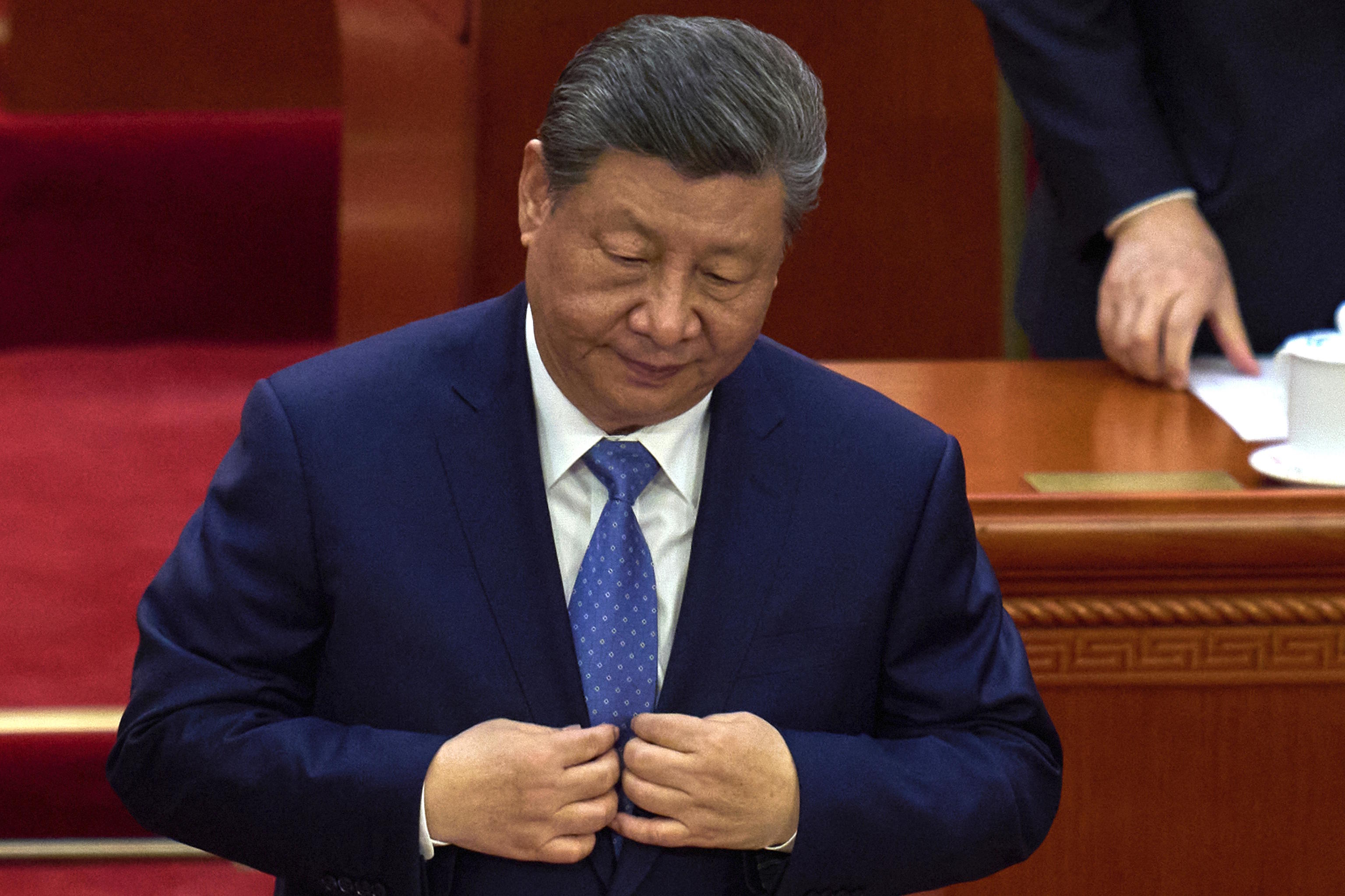
54.5% of Spaniards indicate that the EU's strategic position in this complicated context should be to "strengthen ties with other countries, such as China and other emerging powers." This is precisely the position that the Spanish government is trying to establish in Brussels, which recently led Pedro Sánchez to travel to Beijing.
The response in favor of China significantly outweighs the alternative proposed by the CIS, which was to "maintain a position fundamentally aligned with the United States and NATO."
Despite this reference to NATO, the rest of the survey responses do not suggest that Spaniards have a critical stance towards the Alliance. In fact, when asked whether "Spain should maintain a position aligned with the European Union and NATO," citizens express 65.5% in favor, compared to 30.4% who advocate for "having a more independent foreign policy."
Similarly, when asked about the confidence in organizations like NATO, Spaniards rate it an average of 5.27. Not far behind is the UN, scoring 5.66. However, the EU stands out with a 6.44.
In the face of uncertainty and fears, a large majority is clear that strengthening the EU and the unity of action among member countries is a fundamental objective to address crises and threats.
A striking finding from the study is that two out of three Spaniards are concerned about a possible "global war." The other third say they are not very concerned at all.
In a more general sense, 69.2% of Spaniards declare themselves pessimistic about the world situation, and 58.5% believe they will live in a world that is "worse" or "much worse" than the current one.
Regarding the war in Iran, 52.4% state that the US and Israel are "losing" the war, while 27.6% see them as "winning." The CIS then inquires about the international image of these countries and their presidents, Donald Trump and Benjamin Netanyahu. Around 90% say their projections are "deteriorating." In this question, the CIS did not include Iran, which has been attacking neighboring countries like the UAE, Qatar, or Saudi Arabia, and is using the blockade of the Strait of Hormuz as a weapon of war despite the serious consequences for global trade.
These consequences do appear when Tezanos asks Spaniards about the impact of the war, and as expected, it is mentioned the blow that citizens are experiencing due to the rise in fuel prices, electricity, gas, or the cost of living.
The CIS poses several questions about the wear and tear that Trump is experiencing in his country and asks Spaniards, despite not being a topic they are fully informed about, whether the US president will end up being impeached or due to the effect it is having on his party's voters.