The Spanish hotel investment in Cuba is facing an increasingly difficult summer. Meliá, Iberostar, Barceló, Globalia... the major companies that have turned Havana, Varadero, and Holguín into top Caribbean tourist destinations in recent decades alongside the Cuban government are seeing their prospects further diminished by the US blockade on fuel imports since the overthrow of Nicolás Maduro in Venezuela.
Over the past four months, the rationing of oil shipments to the island has forced energy rationing and increased power outages. US threats to those visiting the island resulted in only one of the eight fuel ships that Cuba needs arriving in April. There are no more due to this "energy persecution," as acknowledged by Cuban President Miguel Díaz Canel on May 13 on the X social network.
Tourist arrivals have already drastically declined in recent years, reaching their lowest point in 2025 since 2002, with only 1.8 million visitors, less than half of the 2018 numbers and eight times less than the visits received, for example, in Barcelona. If the fuel shortage is an operational challenge, the executive order issued on May 1 by the US presidency could be the final blow.
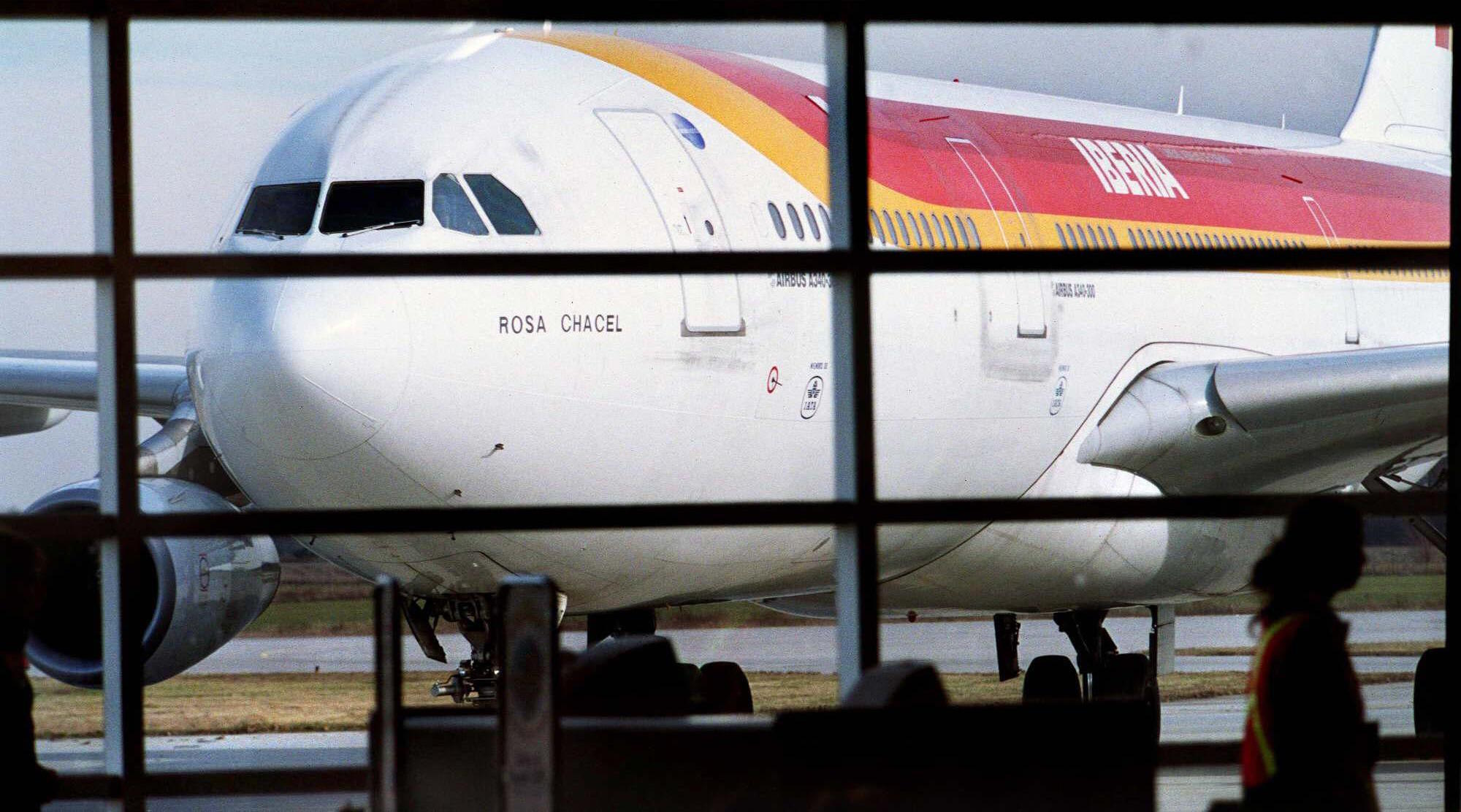
If the situation is critical enough to sink the tourism industry, arrivals in Cuba will decrease further when Iberia suspends flights in July, adding to the withdrawal of operations by Cubana de Aviación, the state airline, which operated flights to Madrid through Plus Ultra. Other Canadian airlines have also cut connections due to the threat of US sanctions and their consequences.
However, hotel chains cannot do the same; the establishments they operate in Havana, Varadero, Santiago, Holguín... remain. The Castro regime has never allowed them to own these properties because they are state-owned and, in many cases, have been denounced in US courts as expropriated since the 1960s. Meliá, with over 30 properties, and Iberostar, with around twenty, are the main players in a business conducted in partnership with the public company Gaesa. This industrial conglomerate belongs to the Cuban military and, in addition to hotels, controls remittances to the island, gas stations, internet services... It is not surprising that it is one of the main targets of US pressure on the island. The order signed by Secretary of State Marco Rubio on May 7 estimates the company's revenue at 20 billion, calling it "the heart of the communist kleptocracy." The order explicitly threatens sanctions on those engaging with the regime in energy, defense, metals, mining, financial services, or security. In a more general sense, it prohibits "any contribution, provision of funds, or services" from individuals identified by the US government, such as Ana Guillermina Lastres, the military leader of Gaesa.
In these circumstances, in addition to the risk of a ruined campaign for Spanish hotel chains, there is a legal risk due to their relationship with the Castro regime through Gaesa and the potential targeting they may face in Washington regarding issues with former property owners who may invoke the Helms-Burton Act or in a possible new political era on the island. Regarding the former, Meliá already saw a 10% drop in its business in Cuba last year, down to 11.5 million, with an occupancy rate of just 40% and a room revenue of 29 euros. Nevertheless, they have two other properties in the pipeline with 456 rooms. The Escarrer family-owned group also operates hotels in US locations such as New York or Orlando, Florida.
Groups like NH, now part of Minor Hotels, have left Cuba, while others like Barceló or Iberostar have added flight ticket offerings to their hotels. In fact, Iberostar has deepened its relationship with Gaesa by becoming the first tourism company to operate new models tested by the regime, such as hotel rentals. They are also managing what aims to be the country's new tourist emblem, a luxury five-star hotel in the tower towering over the Vedado neighborhood in Havana. The tallest building in the city.