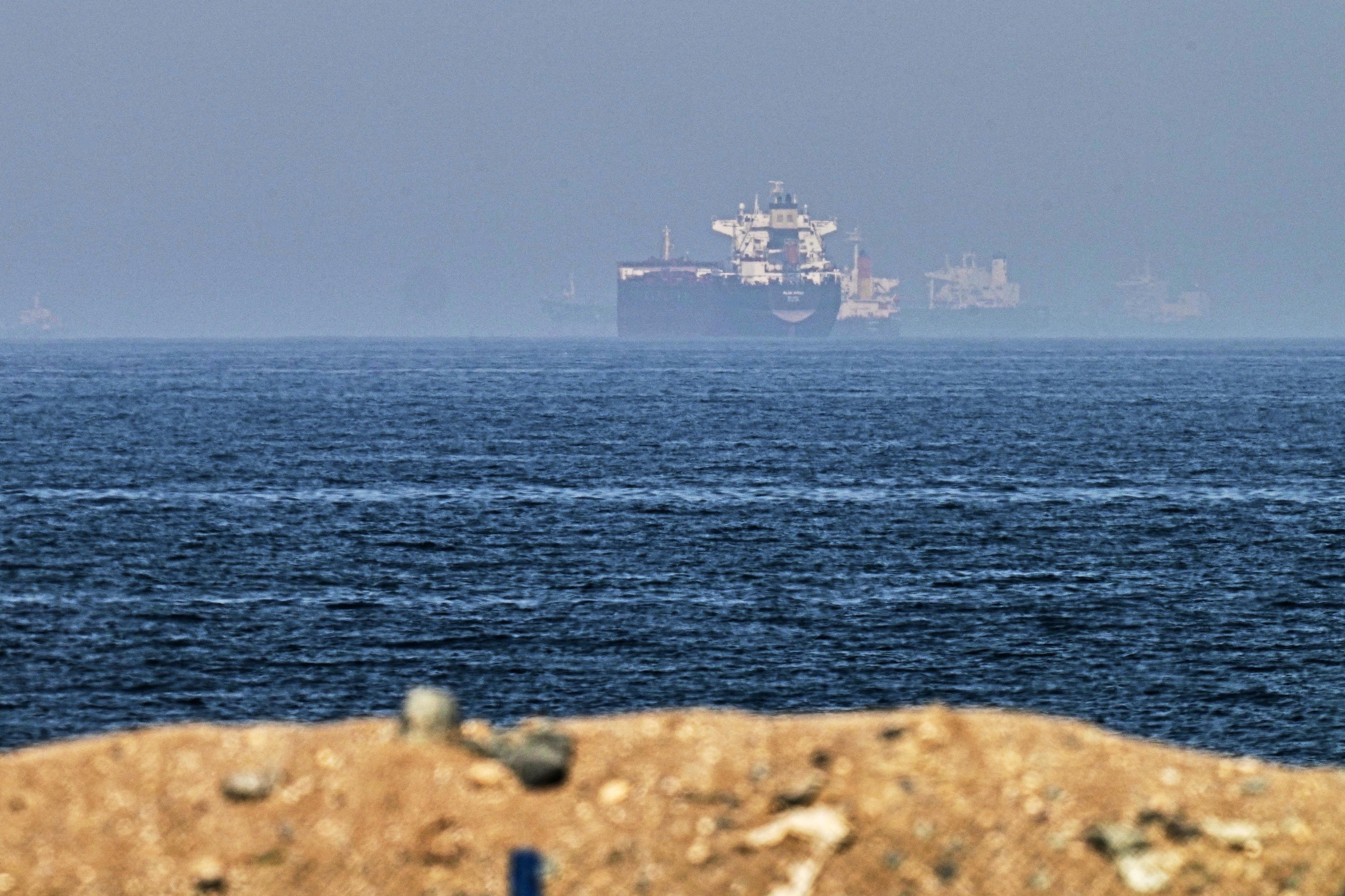
Everything seemed on track this Sunday for the signing of an agreement between Iran and the United States, but Donald Trump ultimately tempered expectations of an imminent agreement to end the war in the Middle East, despite both sides reporting progress in the negotiations.
In addition, Trump stated that the blockade on Iranian ports "will remain in full force" until a definitive agreement is signed with Tehran. The issue of the Iranian nuclear program will be addressed in subsequent negotiations, stated Secretary of State Marco Rubio and Iranian Foreign Ministry spokesperson Esmail Baqai. Rubio told The New York Times that the agreement with Iran had the support of "seven or eight countries in the region," but that it is not possible to resolve the issue "in 72 hours."
Nevertheless, Marco Rubio assured this Monday that President Donald Trump will not make a "bad deal" with Iran and explained that negotiations for a pact are ongoing because Tehran's internal system requires more time to respond. When asked about the obstacles in the negotiations, which were expected to yield a result on Sunday, Rubio clarified that the process is only awaiting the official response from the Islamic Republic.
Iran's central bank chief travels to Qatar after talks on frozen funds
Iran's Central Bank Governor, Abdolnaser Hemmati, traveled to Qatar, as reported by Iranian state media on Monday, following talks in Tehran with a Qatari delegation on frozen Iranian funds, according to Reuters.
Iran has been pressing in negotiations for the release of its blocked funds abroad, including those in Qatar.