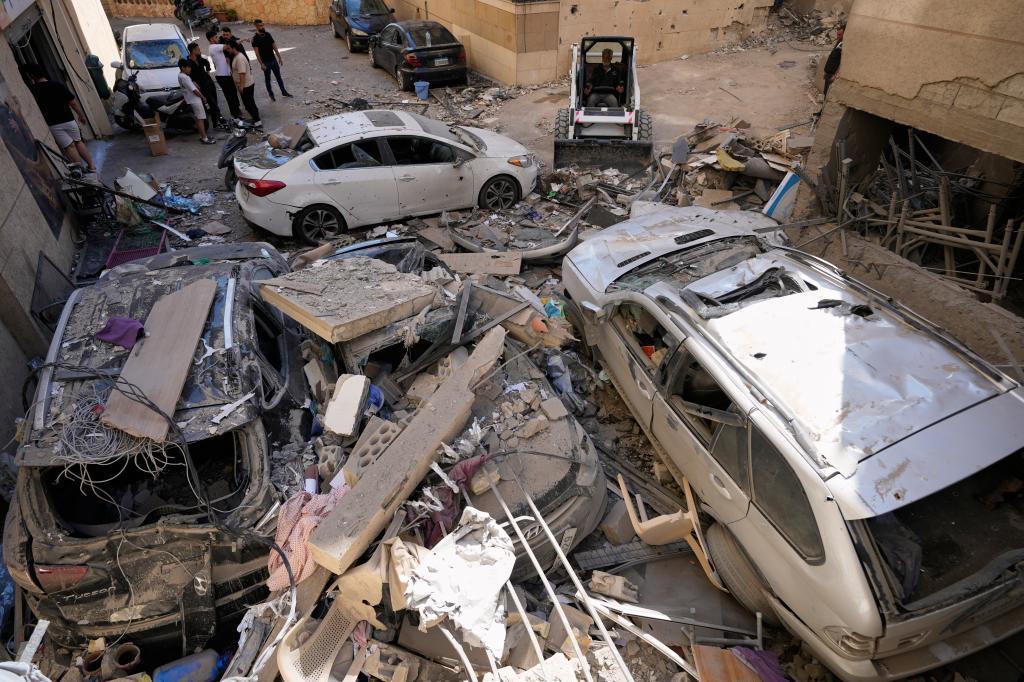
This military escalation occurs in a context of maximum tension, despite the existence of a ceasefire agreement originally signed in April and extended on May 15. Israeli Prime Minister Benjamin Netanyahu had already anticipated this increase in hostilities, linking it to the Israeli army's takeover of new "strategic areas."
The operation in Tyre has been marked by orders of mass expulsion affecting around 200,000 residents, notified just two hours before the bombings began. Additionally, Israeli authorities have designated 18% of Lebanese territory as a "combat zone," urging the civilian population to forcibly move beyond the Zahrani River. According to military sources, approximately 550 Hezbollah targets have been attacked this week, resulting in casualties in locations like Deir Amas.
The impact of this conflict has transcended the military sphere, prompting an immediate political and economic response in Spain. The President of the Generalitat, Salvador Illa, announced a package of direct aid amounting to 400 million euros to mitigate the economic repercussions of the conflict on Catalan families and businesses. This plan includes 40 measures, such as tax exemptions and specific funding for vulnerable sectors like agriculture, fishing, and transportation, affected by the rise in raw materials and fuel prices.