The United Kingdom has a population of 69.5 million people, of which around 46 million are registered to vote in the parliamentary elections, from which the country's Prime Minister emerges. However, it is likely that the next head of Government will be chosen, in practice, by 76,600 people.
It is not a return to the census suffrage, but a consequence of the electoral system and the political situation of the islands. On June 14, elections are held in the Makerfield constituency. If the Labour candidate Andy Burnham wins, he will secure a seat in Parliament and be in a position to challenge the party leadership of the current Prime Minister, Keir Starmer. Given Burnham's popularity among Labour supporters and the rejection of Starmer by all Britons, it is almost certain that, barring an unforeseen accident, illness, or scandal, the former will be elected Prime Minister.
But first, Burnham, who is the Mayor of Greater Manchester, must win in Makerfield, where exactly 76,600 people are registered to vote. And victory is not guaranteed. The region is a historical Labour stronghold where, like in almost all of the UK, the left's advantage has been diminishing for two decades: first to the Conservatives and now to the ultranationalist party that is replacing the tories, Reform UK. The result is that, despite Burnham's strong name recognition, his lead over the Reform candidate, a former plumber named Robert Kenyon, is only three percentage points. In other words: a margin too narrow to have victory reasonably assured.
There is no better example of the current state of British politics than these elections. On one side, a popular Labour candidate, Mayor of the major city adjacent to Makerfield, a seasoned politician, ideological chameleon, former minister under Tony Blair. On the other, an ultranationalist plumber. The result: a statistical tie.
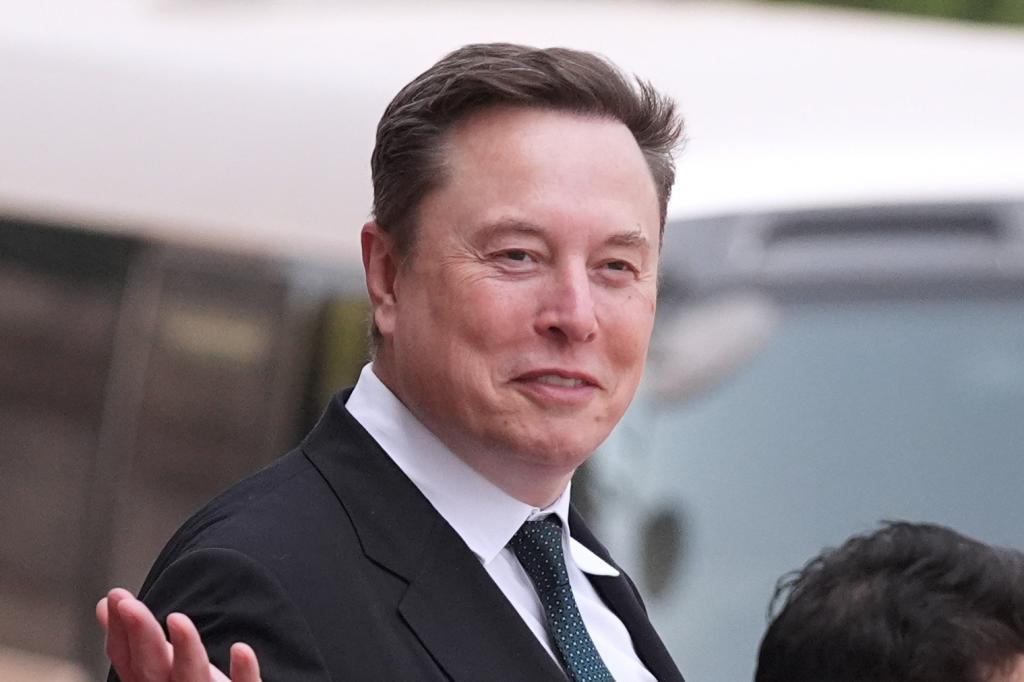
But luck has come to visit Burnham. And in the most unexpected way. Elon Musk, the world's richest man, known for funding all known far-right causes, has suddenly attacked Reform UK and supported its splinter group, Restore Britain, a party that will celebrate its fourth month of existence on the eve of the elections.
The differences between Reform UK and Restore Britain are mainly ideological purity and personal confrontation. Restore was founded by Nigel Farage's former number two, Rupert Lowe, when he was expelled from Reform UK in 2025 for criticizing the total centralization of power in the leader. Its ideology is practically the same as Reform's. With one fundamental difference, which is what attracted Musk: an even more absolute and total rejection of immigration, as reflected in its platform in Makerfield, where, among other promises, is the pledge to end "gangs of foreign males" allegedly terrorizing the region. Its candidate is Rebecca Shepherd, a local businesswoman.
And here comes the critical issue. Restore Britain has around seven or eight percentage points in voter intention. In other words: without Restore, Reform would have a fairly clear path to victory. Furthermore, to worsen things for Farage's party, Kenyon's statements declaring Brexit as "nationalist rubbish" have just been unearthed. In British politics, labeling the EU exit in such a way, whether from the left, right, or center, is suicidal. Doing so in an ultra party is kamikaze. And proclaiming it in Farage's party, the ideological father of Brexit, is the best way to scare off voters, with the possible exception of marrying an illegal Muslim, black, and transgender immigrant.
Musk has never hidden his support for Lowe. He previously tried to force Farage out of Reform and replace him with Lowe in 2025 when the controversy between the two politicians erupted, and now he has come to his defense again. Last week, he publicly proclaimed his support for Restore, and on Monday, just in case there was any doubt, he wrote on his social network X: "Only Restore can save Britain". Farage has accused the billionaire of "wanting to divide the right" and stated that Burnham has reasons to be "delighted" with Musk's words.
Thus, Andy Burnham, the candidate campaigning against "ultraliberalism of the last 40 years," could be propelled to Downing Street by the first man who will reach a fortune of one trillion euros - that is, Elon Musk - when his company SpaceX goes public next month. And Farage, the nationalist populist who has always accepted help from foreign millionaires - or residents outside the UK - could lose to an individual who is South African, Canadian, and American, but not British, and to a party that has barely existed for 100 days. In the end, it is not clear whether the next British Prime Minister will be chosen by the 76,600 voters of Makerfield or by three people ideologically and personally at odds: Nigel Farage, Rupert Lowe... and Elon Musk.