Anthropic has raised a round of 65 billion dollars (55.788 billion euros), the largest in the company's history, at a staggering valuation of 965 billion dollars (828 billion euros), which means the company is now better valued than its archrival OpenAI, creator of ChatGPT.
The artificial intelligence company will use the funds to boost its computing capacity through agreements with Amazon, Google, Broadcom, and SpaceX, a capacity that the company highlights in its statement will mainly be in the United States, in a nod to the Trump Administration with which it is at odds. In total, 15 billion dollars of the round have been contributed by cloud companies, including Amazon, Microsoft, and Google.
Strategic investors such as Amazon and memory manufacturers like Samsung, Micron, and SK Hynix have participated in the round. "As Claude's demand continues to grow, our relationships will help us scale our computing capacity at the pace our consumers demand," the company points out.
Furthermore, the company has already reached 30 billion dollars in annualized revenue, equivalent to replicating its subscription revenues from the last month over a year. Its exponential growth is also accompanied by a first operating profit that has raised expectations about the evolution of its business.
In this way, the company led by Dario Amodei remains at the forefront as the most popular company of the moment, after a series of successful results with Claude and its new model Opus 4.8, which has managed to improve almost everything compared to OpenAI's latest model, although the company seems poised to soon launch its response to this.
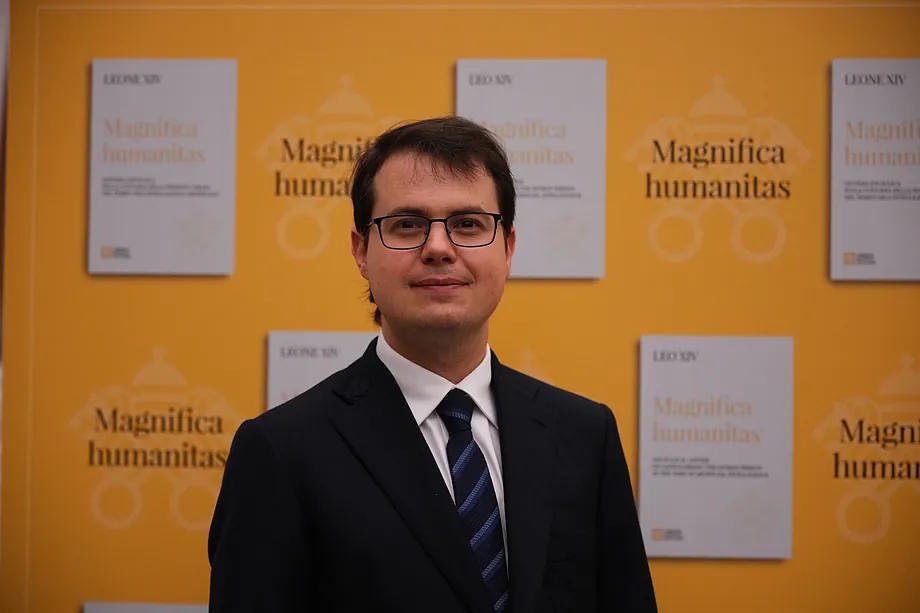
Additionally, the non-publication of Mythos and its impact on the entire global technology security chain, along with the clash over the use of its technology for autonomous weapons, have reinforced the image of "safe AI" around the company. An image that has translated into being the only company with a representative who participated in the presentation of the Pope's first encyclical, which precisely addressed the impact of artificial intelligence.