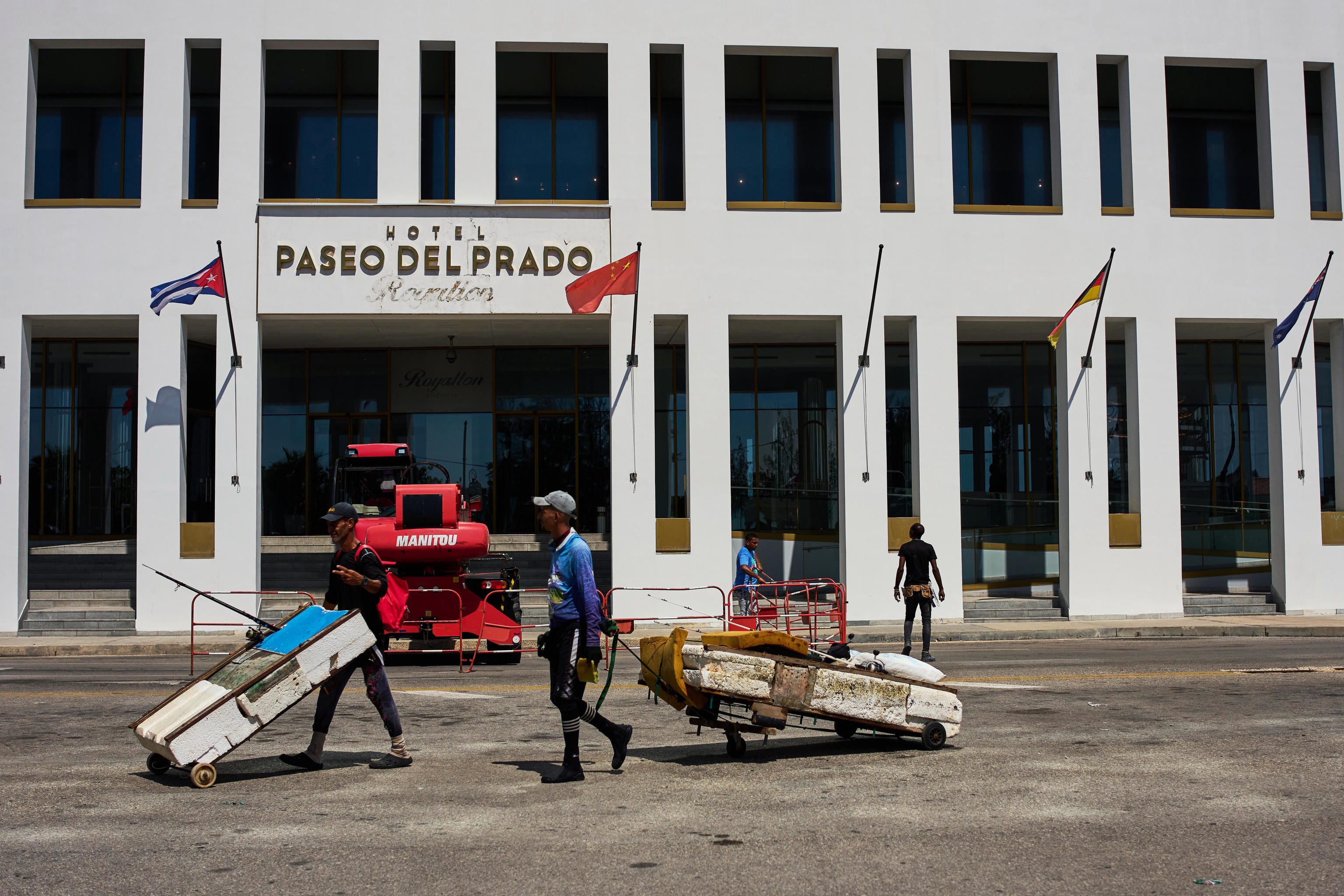
Major hotel chains with a presence in Cuba and forced to sever any ties with their main partner on the island due to threats of US sanctions starting next Friday, June 5, hope that their departure will be a temporary pause that they can resume to maintain their presence when the current political crisis reaches a resolution that provides them with greater legal certainty.
Meliá, Iberostar, Barceló, NH (now Minor Hotels) have remained in Cuba over the past decades, exploiting its appeal in the Caribbean, the sun and beach region on which they built their international diversification. Their exit from the island raises questions about under what conditions they can return to managing the hotels, once their Cuban partner, Gaesa, has been identified by the United States as a criminal organization.
In any case, the crisis has not caught Spanish companies off guard, as they have known for years that they are in the sights of the US administration and the Cuban exile community. All hotel properties they operate in Cuba have been state-owned since the revolution in 1959, and Gaesa, belonging to the Cuban Army, is the owner of most establishments on the island, as well as other tourist services and businesses related to foreign currencies such as remittances, currency exchange, or gas stations. Groups like Meliá or Iberostar have already faced lawsuits and claims from relatives of expropriated Cubans of buildings or lands on which the hotels are built on the island.