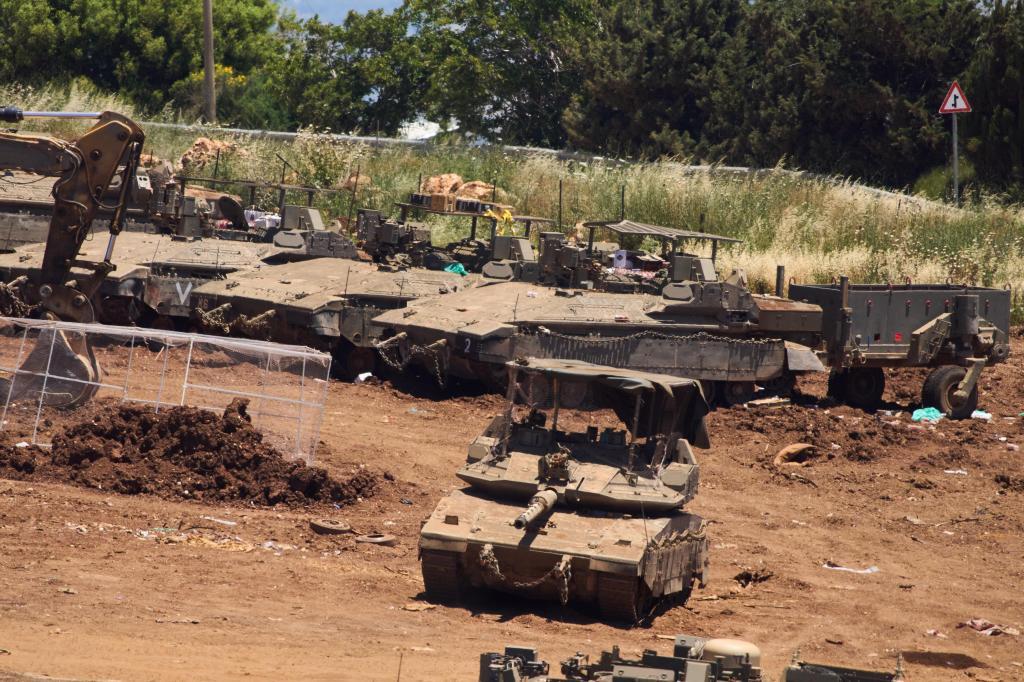
According to the joint statement issued after U.S. mediation, the cessation of hostilities strictly depends on the Shiite militia Hezbollah halting its attacks on Israeli territory and ending its operations in the southern part of the Arab country.
The designed plan establishes as a fundamental requirement the complete cessation of firing and the evacuation of all Hezbollah operatives from the area between the Litani River and the border with Israel. To ensure stability in the region, both parties have agreed to swiftly progress in creating "pilot zones" in Lebanon. These areas will be under the exclusive control of the Lebanese Armed Forces, explicitly excluding all non-state actors, in clear reference to the Islamist group.
The representatives of both countries, led by ambassadors Yechiel Leiter (Israel) and Nada Hamadeh (Lebanon), emphasized that these measures are necessary steps towards an comprehensive peace and security agreement. This meeting represents the fourth round of peace negotiations this year. It is worth noting that the first high-level contact between these neighbouring nations, which lack diplomatic relations, took place on April 14, marking the most significant rapprochement since 1993.
Despite these diplomatic advances, the situation on the ground remains tense. So far, the contacts have served to extend truces that, however, have been overshadowed because Israel has intensified its incursion into Lebanese territory in response to Hezbollah's missile launches, an organization actively opposing these negotiations. To consolidate what has been agreed, the delegations have scheduled a new round of talks on June 22 in the U.S. capital.