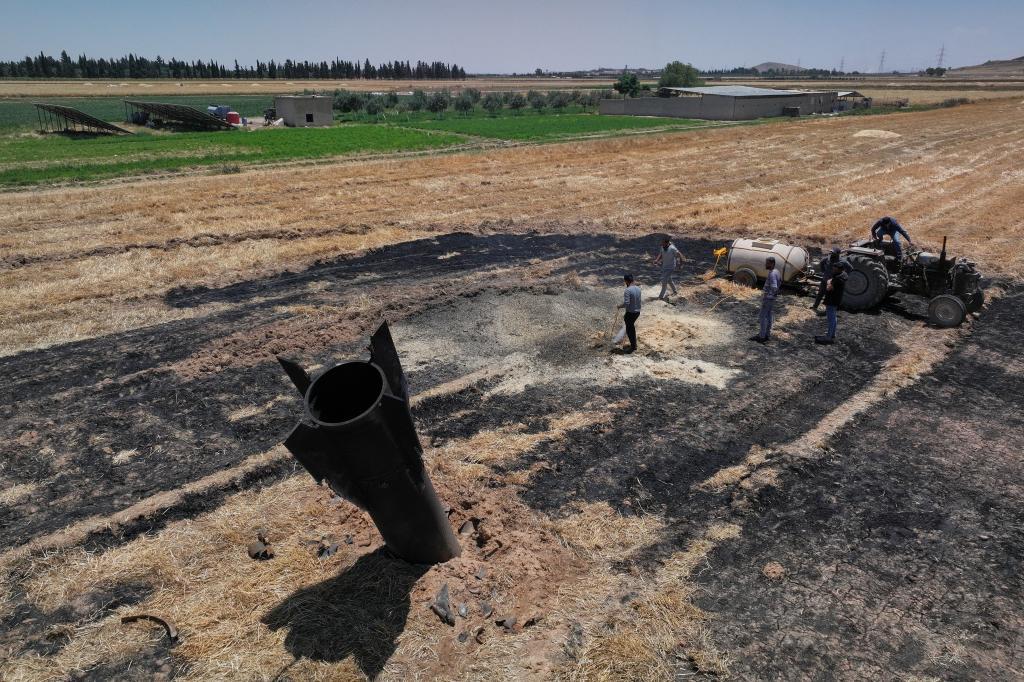
The day has been marked by bursts of ballistic missiles, airstrikes against strategic infrastructures, and a new threat to international trade in the Red Sea. The conflict reignited last night when the Iranian regime attacked Israel in response to a previous bombing against Hezbollah in Beirut. Israel responded in the early hours by hitting radars and launchers in central and western Iran.
In this context of "unity of fronts," the pro-Iranian militia of the Houthis in Yemen has also intervened: "We declare a complete and total ban on Israeli maritime navigation in the Red Sea," their spokesperson stated after the launch of a ballistic missile. The Israeli army has stated that its fighter jets "carried out a large-scale attack against strategic defense systems belonging to the Iranian terrorist regime." Meanwhile, Tehran's response was immediate and full of threats: "We will give a strong and painful response to the Zionist regime's attack on Dahiyeh. These rabid dogs must be disciplined and put in their place. Tonight, look at the sky over the occupied lands," warned Ebrahim Rezaei, Iran's National Security spokesperson.
The U.S. President, Donald Trump, has actively intervened to prevent a large-scale regional war. Through his social media, the president stated: "Israel and Iran must stop firing immediately." In conversations with Benjamin Netanyahu, Trump reportedly asked to wait a few days before any new response, also sending a clear message to Tehran: "They have already fired their missiles, it is enough. Return to the negotiating table and reach an agreement."
Although both sides announced a temporary cessation of mutual attacks this Monday, tension remains high. Israel has clarified that it will continue its operations against Hezbollah in southern Lebanon, justifying its actions as "a precise attack on a Hezbollah terrorist organization command center, from where its members operated." Meanwhile, the Israeli army chief, Eyal Zamir, has made it clear that the truce is fragile: "We will attack the enemy with determination as soon as the order is given."