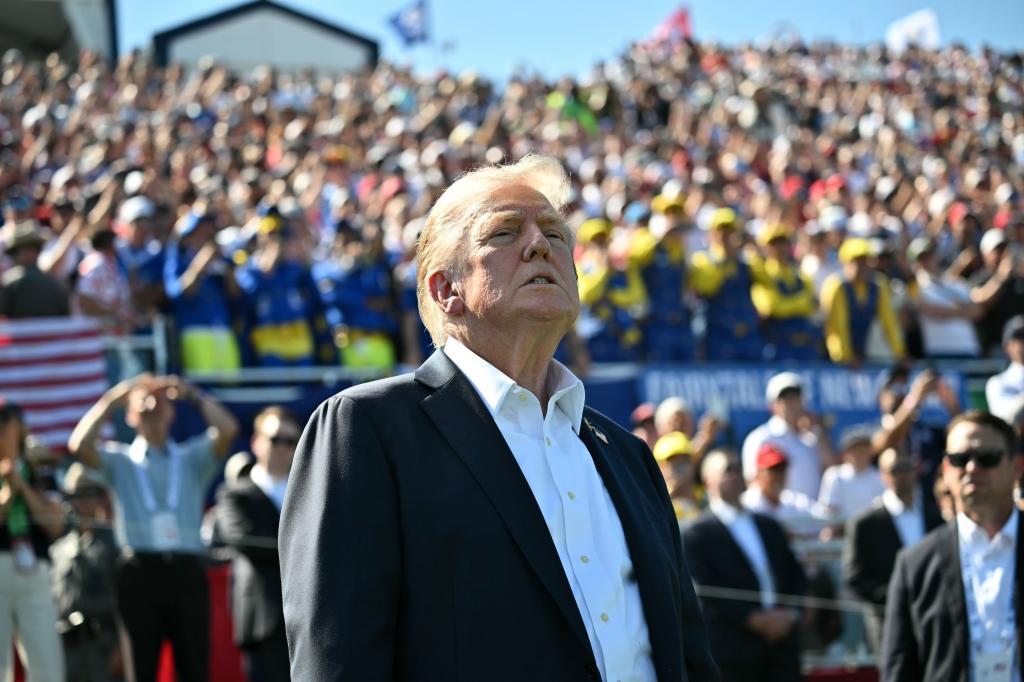
In a series of posts on his social network, Truth Social, the American president stated that the Iranian regime has taken too long to come to the negotiating table and that "the Middle East bully is DEAD". According to Trump, Iran's lack of action has invalidated a diplomatic process that would have greatly benefited them.
This breakdown in diplomatic relations comes after a night of armed clashes that represent the biggest violation of the ceasefire established on April 8. U.S. forces launched attacks on several strategic points in southern Iran as a direct retaliation for the alleged downing of a helicopter in the sensitive Strait of Hormuz. In response, Tehran claimed to have bombed 21 U.S. military targets across the Middle East, including facilities in Jordan, Kuwait, and Bahrain, a claim that Washington has officially denied.
The humanitarian consequences of the U.S. offensive are already being felt. According to Iranian authorities, the bombings destroyed communication towers and two critical desalination plants in the Sirik area, leaving over 20,000 civilians without access to clean water. Faced with this scenario, the Iranian Ministry of Foreign Affairs has announced that it will review its participation in negotiations with the U.S., arguing that diplomacy cannot progress in a vacuum and requires a "minimum climate" of stability that has been shattered by recent hostilities.
Trump, on the other hand, has downplayed Tehran's ability to respond, describing its military as a "complete disaster". The president claimed that entire branches of the Iranian military, such as its Navy and Air Force, have been "completely defeated" and "no longer even exist" after the recent operations. This policy of "maximum pressure" also extends to resource control, as evidenced by the recent interception in Atlantic waters of a sanctioned oil tanker attempting to flee to Venezuela after a three-week chase. With dialogue channels on the brink of collapse, the region enters a phase of total uncertainty.