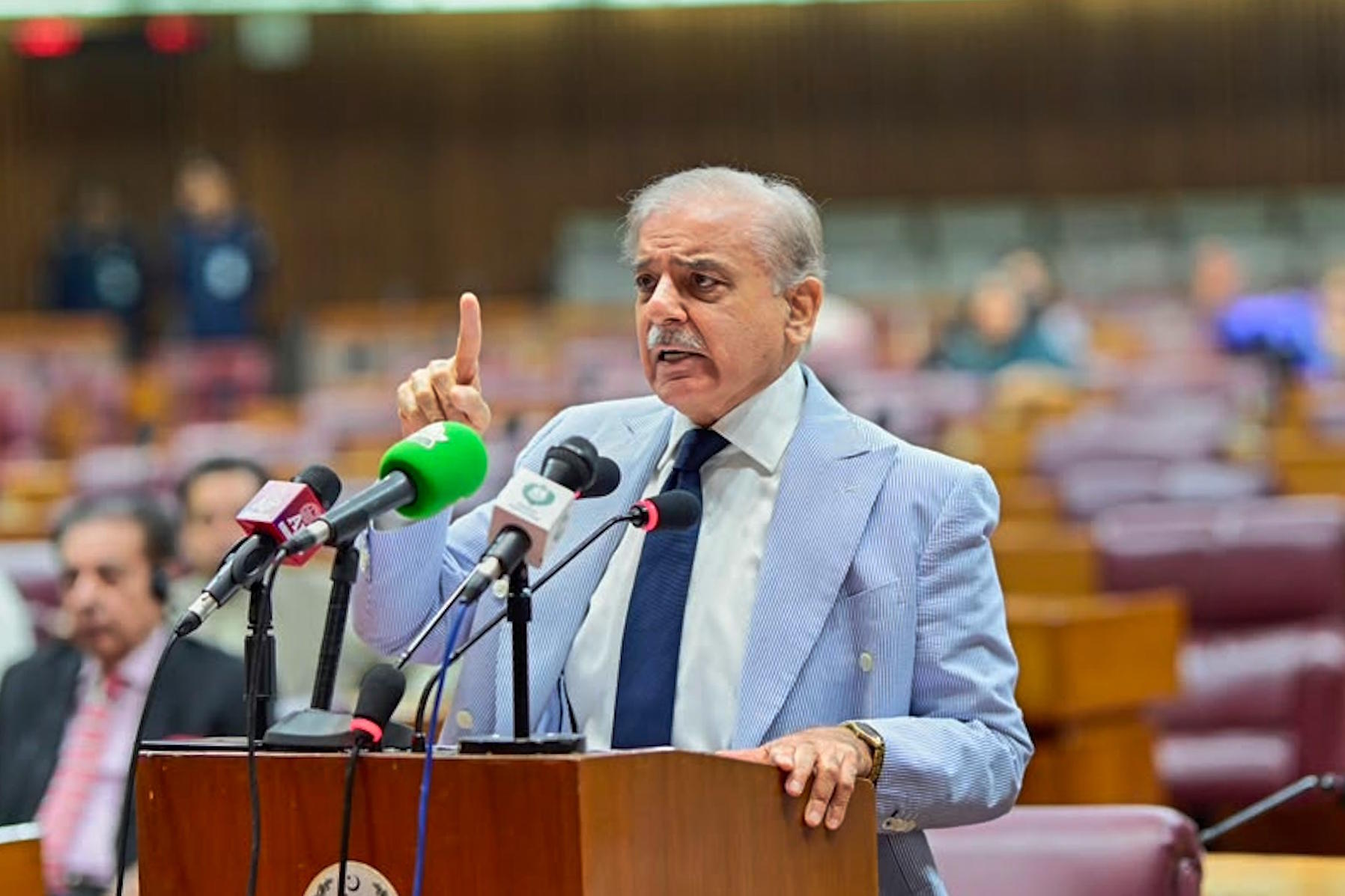
After months of naval blockade and a two-week ceasefire mediated by Pakistan, the US president proclaimed through his social media that the pact is "complete," authorizing the toll-free opening of the Strait of Hormuz and the lifting of the US Navy blockade. Oil, which had surpassed $140 per barrel after the strait's closure, will resume normal flow after the official signing of the document next Friday.
This diplomatic breakthrough has been made possible thanks to the mediation of Pakistan, Qatar, Saudi Arabia, and Turkey. According to Pakistani Prime Minister Shehbaz Sharif, the agreement involves the immediate and permanent termination of military operations on all fronts, including Lebanon. The official signing ceremony will take place in Switzerland. Although Vice President J.D. Vance has expressed his intention to attend, the Secret Service has advised against both top officials traveling abroad together, so it has not been confirmed whether Trump himself will ultimately attend.
Despite the optimism from the White House, sources warn that the agreement is neither final nor total. While it halts cross-border attacks and establishes a timeline for lifting sanctions in exchange for access to frozen funds, critical issues such as the Iranian nuclear program itself and the recovery of enriched uranium remain unresolved. Additionally, the stability of the announcement was threatened by Israel's actions; Trump was "furious" with Benjamin Netanyahu following recent bombings in Lebanon, even questioning the judgment of his key ally.
Iran's Deputy Foreign Minister Kazem Gharibabadi has hailed the agreement as a "great victory" for his country, stating that the enemy's malicious objectives have failed. However, doubts persist regarding the monitoring mechanisms for compliance with the agreement and the exact terms for lifting restrictions on Iranian oil.