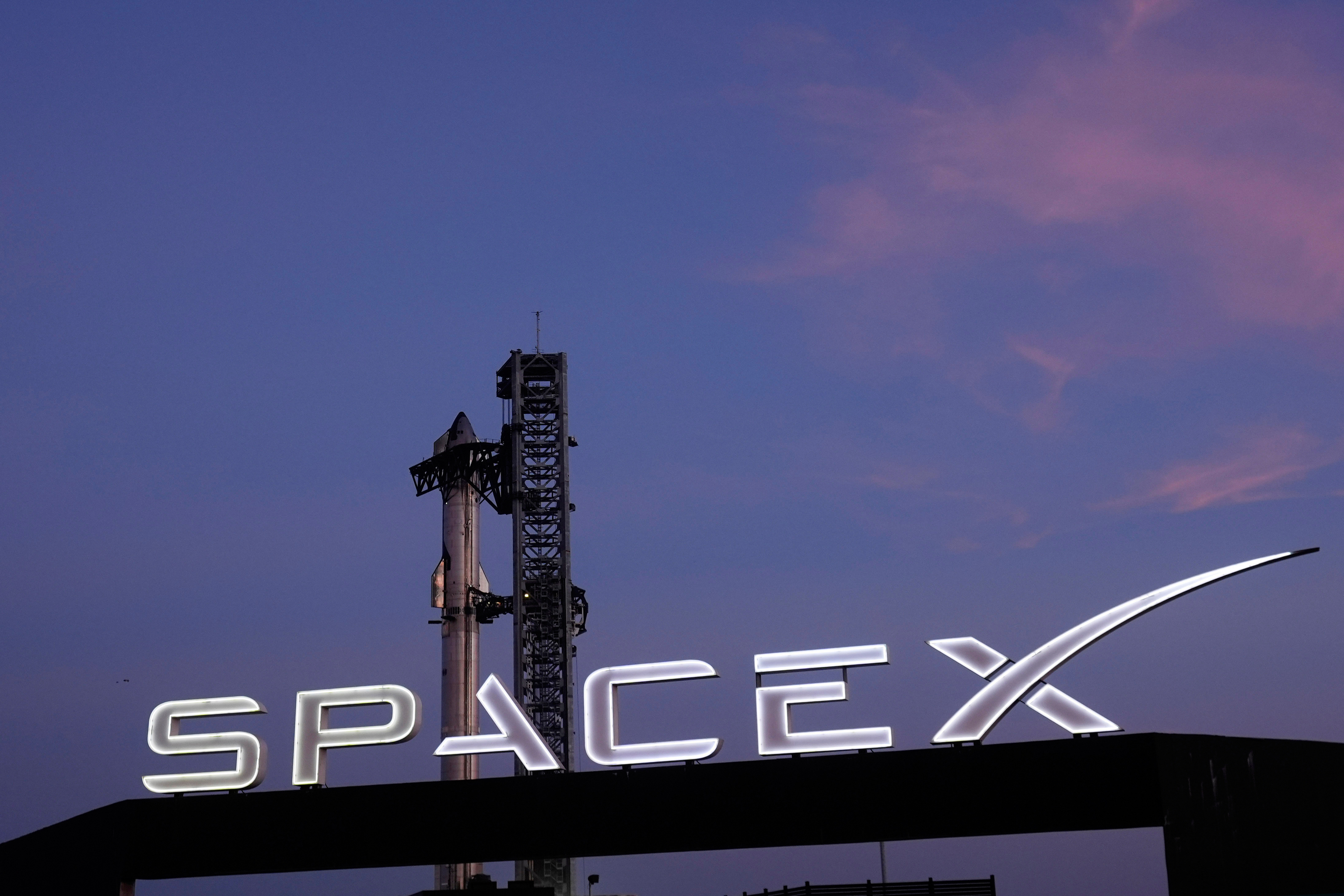
SpaceX has surpassed Amazon's market valuation on Tuesday and positioned itself as the fourth most valuable company in the world, nearing the astronomical threshold of three trillion dollars, after just three trading days following the largest IPO in history last Friday.
Shares of Space Exploration Technologies (SpaceX) continue their upward trend with a rise of over 10%, extending the meteoric rise that began with its stock market debut. After closing its first full session with an increase of almost 20%, the stock today consolidates its climb, already hovering around $205.
In this case, the boost to the company's stock comes from the acquisition of Anysphere, the owner of Cursor, the software behind the popular coding assistant, in a deal valued at over 60 billion dollars (approximately 51.7 billion euros).
Undoubtedly, this acquisition fits into Elon Musk's strategy to compete directly with industry titans like OpenAI and Alphabet. Anysphere, founded in 2022 in San Francisco and specialized in tools designed to help programmers write and debug code efficiently, has become one of the fastest-growing startups in history, surpassing 2 billion dollars (1.732 billion euros) in annual recurring revenue in just 12 months.
The company has positioned itself as a key player in the era of "intuitive programming" for the development of autonomous agents, a field in which OpenAI and Anthropic hold a competitive advantage that Musk aims to narrow. The merger is expected to be completed in the third quarter of this year, subject to regulatory approval.
Musk had already revealed that the agreement with Anysphere for the potential purchase of Cursor was originally signed in April of this year. The deal involves a full payment in shares worth 60 billion dollars. The contract includes significant financial safeguards: if the operation fails due to SpaceX's fault, the company would have to pay a compensation of 1.5 billion dollars and provide computing services valued at 8.5 billion. Additionally, the agreement stipulates a breakup fee of 10 billion dollars and another of 4 billion in case of regulatory blockage.