The European Union has a trade deficit with China of almost 360,000 million euros. Practically, 1,000 million per day of imbalance between what the EU imports from the Asian country and exports to the same destination. An extremely high figure that some of the main European powers want to address by toughening commercial relations. Even considering the possibility of imposing tariffs.
France already announced it last month, the Netherlands sees it with good eyes, and Germany has opened up to this possibility that government leaders will discuss during the European Council dinner today. The intention is to ask the Commission President, Ursula von der Leyen, to explore options to try to rebalance the situation and protect the European industry. And although it is possible that some other country believes that this is not the best option, for now, the only one that has clearly stated that they are against any toughening or trade war is Spain.
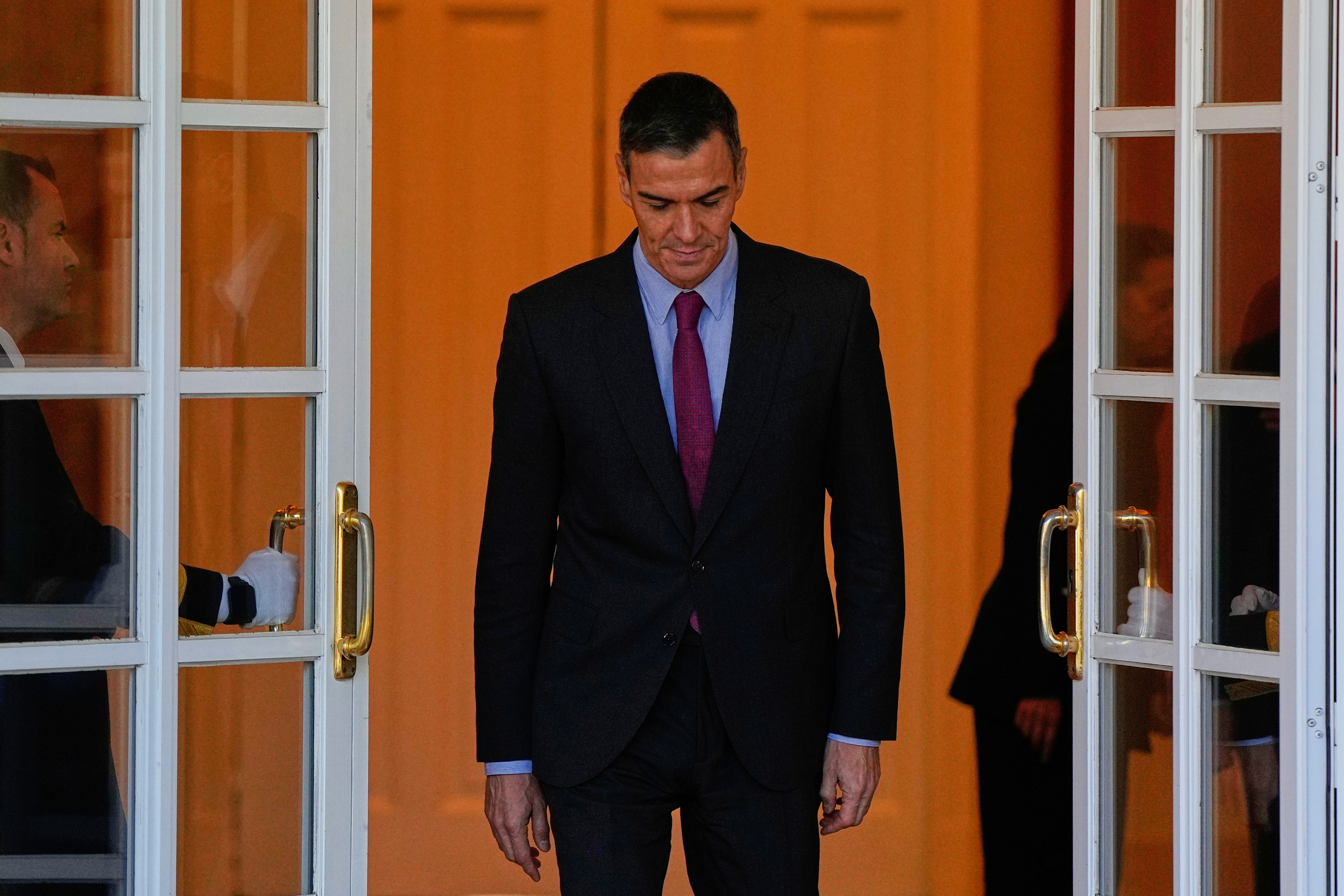
The Spanish government has been at the forefront in demanding the need to open up to the Asian country. The Prime Minister, Pedro Sánchez, believes that we are in a multipolar scenario and, in contrast to the reluctance of other partners, he understands that it is essential to have good relations with the Asian giant. In fact, his purpose is to travel to this country every year, something he has been doing for the last four years.
The Moncloa argues that going into a trade war with China would be a sort of shooting oneself in the foot. They believe that the diplomatic and dialogue route is better than confrontation, especially because the Chinese authorities have the power to take actions and punishments that can greatly harm the growth and development of the EU.
They acknowledge that the very significant trade deficit is unsustainable, but they believe that this relationship should be rebalanced based on negotiation. This is the strategy that Sánchez is implementing, presenting Spain as a bridge to Europe, trying to achieve important economic agreements and bilateral investments and considering Asia as a window to diversify the economy in a more adverse scenario with Donald Trump in the United States.
In addition, relationships and agreements with Chinese companies, always under the protection of their government, give Sánchez an argument at the domestic policy level: it means that factories and companies are established in communities, many of them from the PP, generating wealth and job creation.
But, as already mentioned, this will not be the position defended by the main powers of the EU. Italy, for now, has not defined its position, although the country also signed a document led by France in May that directly mentioned tariffs. Spain was initially included in that document, but when the technical non-paper reached the political sphere, Spanish support disappeared. And Germany's shift is very significant. The German press is reporting that Chancellor Merz is in favor of exploring options, and diplomatic sources confirm the move.
Therefore, the issue threatens to be one of the most important in the coming months in the EU. Von der Leyen will be under pressure to present some proposal fairly quickly, before the summer or at the latest in the State of the Union address in September. And Spain will once again be against a key issue and most likely practically alone.