European Defense has been facing a series of problems in recent weeks, and the depth of these setbacks is significant. More and more countries are unable or unwilling to allocate additional funds to the military sector. Furthermore, the industry is struggling to meet the nations' needs for materials and ammunition, and the failure of the European fighter jet due to disagreements between Germany and France has had a devastating effect.
"Defense spending is far below what is required at this dangerous moment," stated former British Defense Secretary John Healey last week upon announcing his resignation. Almost immediately, Italian Defense Minister Guido Crosetto expressed full agreement with his former colleague's concerns and reflections. He clarified that he would not resign but emphasized the investment issue in his country.
Czech Republic, Slovenia, and Albania are struggling to reach the 2% of GDP military spending target this year, while Spain remains firm in not exceeding 2.1% and plans to reflect this figure in the 2027 budgets currently being developed by the Ministry of Finance.
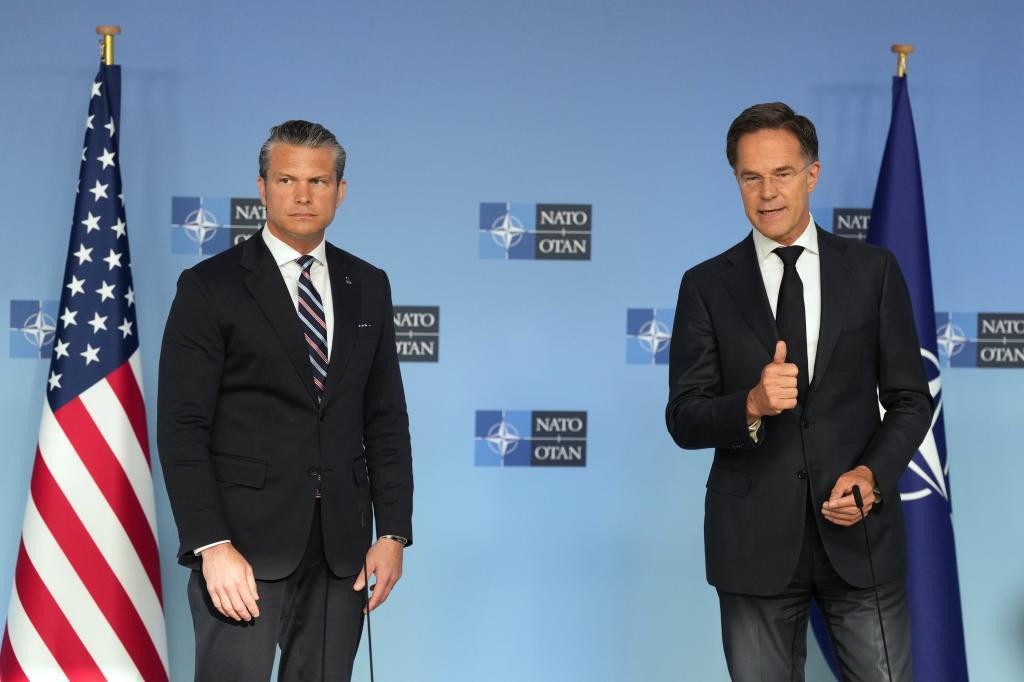
"When we look at the investment increases, the figures are truly astonishing: $90 billion [about €77 billion] more in one year, in 2025. $90 billion more invested in Defense than the previous year. Almost all allies reached 2% in the last year," defended Mark Rutte, NATO Secretary-General, in yesterday's press conference before the Defense Ministers' meeting scheduled for today in Brussels.
However, Rutte also emphasized the priority of gradually increasing spending to reach 5% of GDP, a topic to be addressed at the leaders' summit in Ankara in July. Yet, this now seems almost unattainable.
"We are working closely with the industry to ensure supply meets demand," Rutte also pointed out regarding the Defense sector in Europe. As he has mentioned on several occasions, the supply falls far short of meeting the countries' growing needs. However, companies are still hesitant to ramp up production, fearing that the military investment fever may be temporary.
This lack of initiative in the defense sector adds to the resounding failure of the European fighter jet project, acknowledged as a flagship project by diplomatic sources. Now, hopes are pinned on Sweden, through the technology offered by Saab, to join the project abandoned by France and collaborate on the aircraft's development with Spain and Germany.
All this, as mentioned, while Washington continues its departure from Europe. Rutte reiterated this on Wednesday. "The United States has made its commitment to NATO clear. This commitment implies the expectation that allies share the responsibility for our security in Europe more equitably," he stated with his endless balancing act.
"We have analyzed the division of labor in the context of conventional forces and see that European allies and Canada are ready, willing, and able to do more," he added. Diplomatic sources confirm that additional responsibilities for each European ally are already being proposed as Donald Trump completes his term. What is not in doubt, they add, is Defense and the nuclear umbrella. However, conventional defense, increasingly, will depend on Europeans themselves.