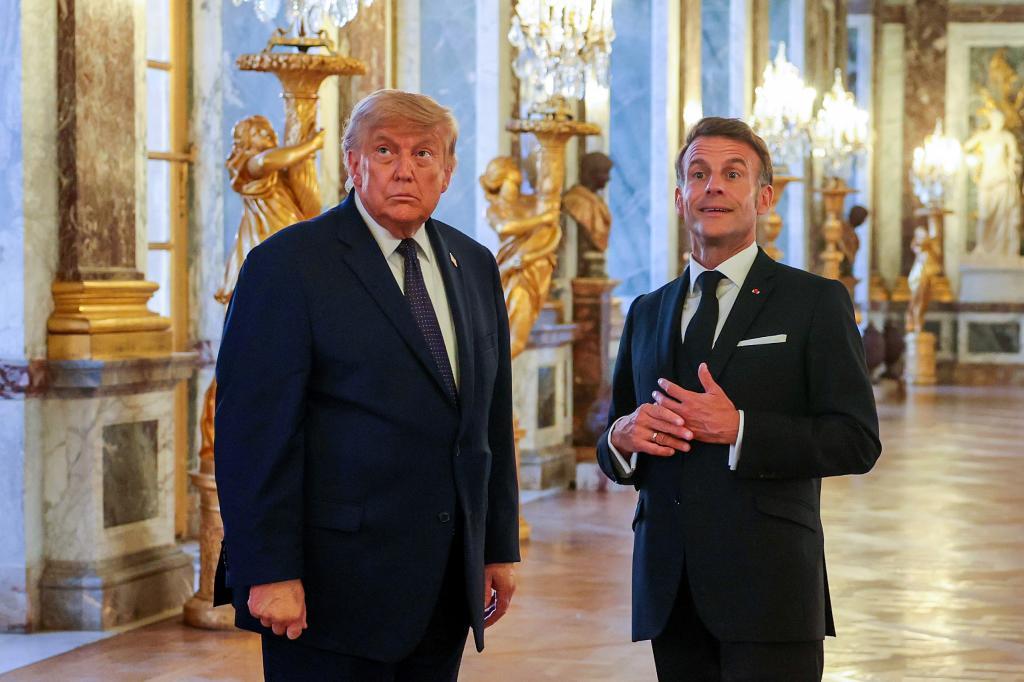
The signing, done electronically after a dinner with French President Emmanuel Macron, preceded the official ceremony initially scheduled for Friday in Switzerland.
The document, consisting of 14 points, establishes crucial commitments for both nations. Iran has formally committed to "not produce nuclear weapons", placing its enriched uranium reserves under the supervision of the International Atomic Energy Agency (IAEA). In return, the United States will immediately lift the blockade on Iranian ports and sanctions on oil sales. Additionally, Washington will support a $300 billion reconstruction and development plan for Iran, funded by regional partners.
One of the most immediate effects of the agreement is the instant reopening of the Strait of Hormuz, a passage through which a fifth of the world's oil transits, and whose closure during the three-month conflict severely impacted the global economy. However, Iran's chief negotiator, Mohamad Baqer Qalibaf, warned that Iran will exercise its sovereignty by charging tolls for services in the strait, ensuring that the situation will not return to its pre-war state.
From Lebanon, Hezbollah leader Naim Qasem described the agreement as a "great victory" for Tehran, thanking the inclusion of the Lebanese front in the ceasefire. The conflict, which erupted on February 28 following attacks by the United States and Israel, has resulted in thousands of deaths in the region. While the G7 celebrates this "historic opportunity" to address regional threats, China insists that all parties implement the agreement without external interference. Both powers now have a 60-day period to negotiate a final definitive agreement.