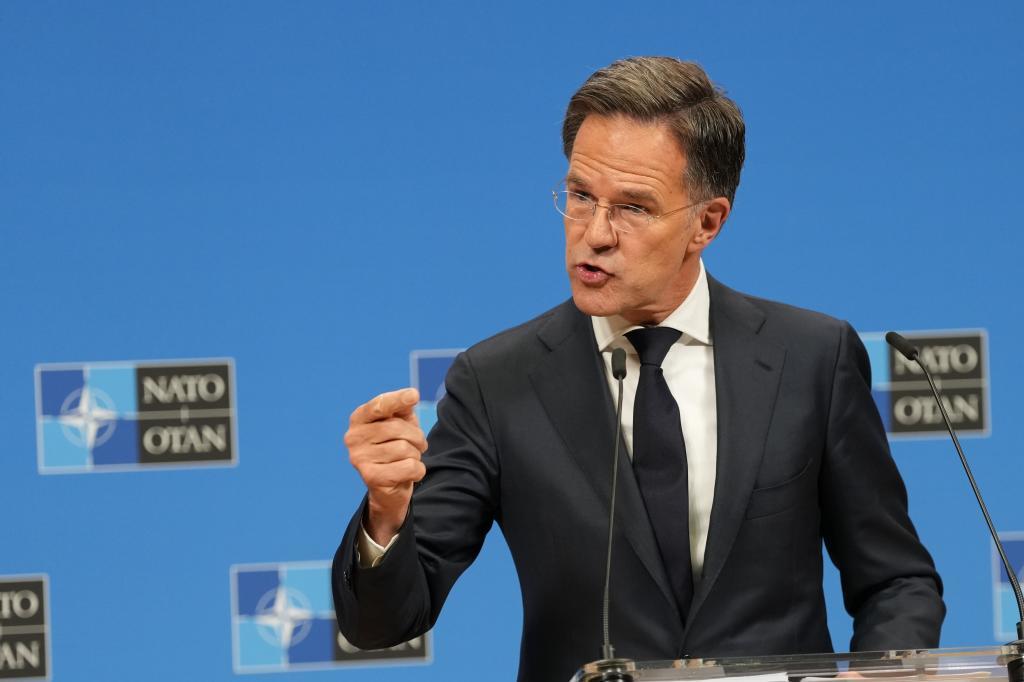
During a recent appearance, Rutte stated that it is necessary to discuss the role of allies and appreciated Washington's clarity in presenting its current vision on transatlantic security. According to the Alliance leader, the organization is undergoing what is likely the deepest transformation in its history to build the so-called "NATO 3.0", a process that, although going through "turbulent waters" and difficult phases, is essential for the future.
Rutte has argued that the role of the United States is to maintain pressure on European partners, admitting that some countries still "lag behind" and must take on greater responsibility for their own defense. This stance comes after criticisms from Hegseth, who conditioned the Pentagon's review outcome on how quickly Europe takes the reins of its security. Washington's shift responds to the Trump administration's need to reallocate military resources to the Indo-Pacific region amid a potential conflict with China.
This new strategy implies a significant withdrawal, as the U.S. has indicated it will stop providing critical assets such as aircraft carriers, fighter jets, and support vessels in crisis situations. Additionally, the real scope of Article 5 has been questioned, noting that while it guarantees collective security, it does not legally compel allies to provide direct military support.
Despite this climate of uncertainty and the contradictory signals from the White House, Rutte highlighted that European allies and Canada have made an unprecedented effort, increasing defense spending by $90 billion last year, a 20% rise from 2024. Finally, the Secretary General downplayed the impact of U.S. decisions on NATO's force model, defining it as a mere "planning tool" rather than an exact representation of what would happen in case of conflict.