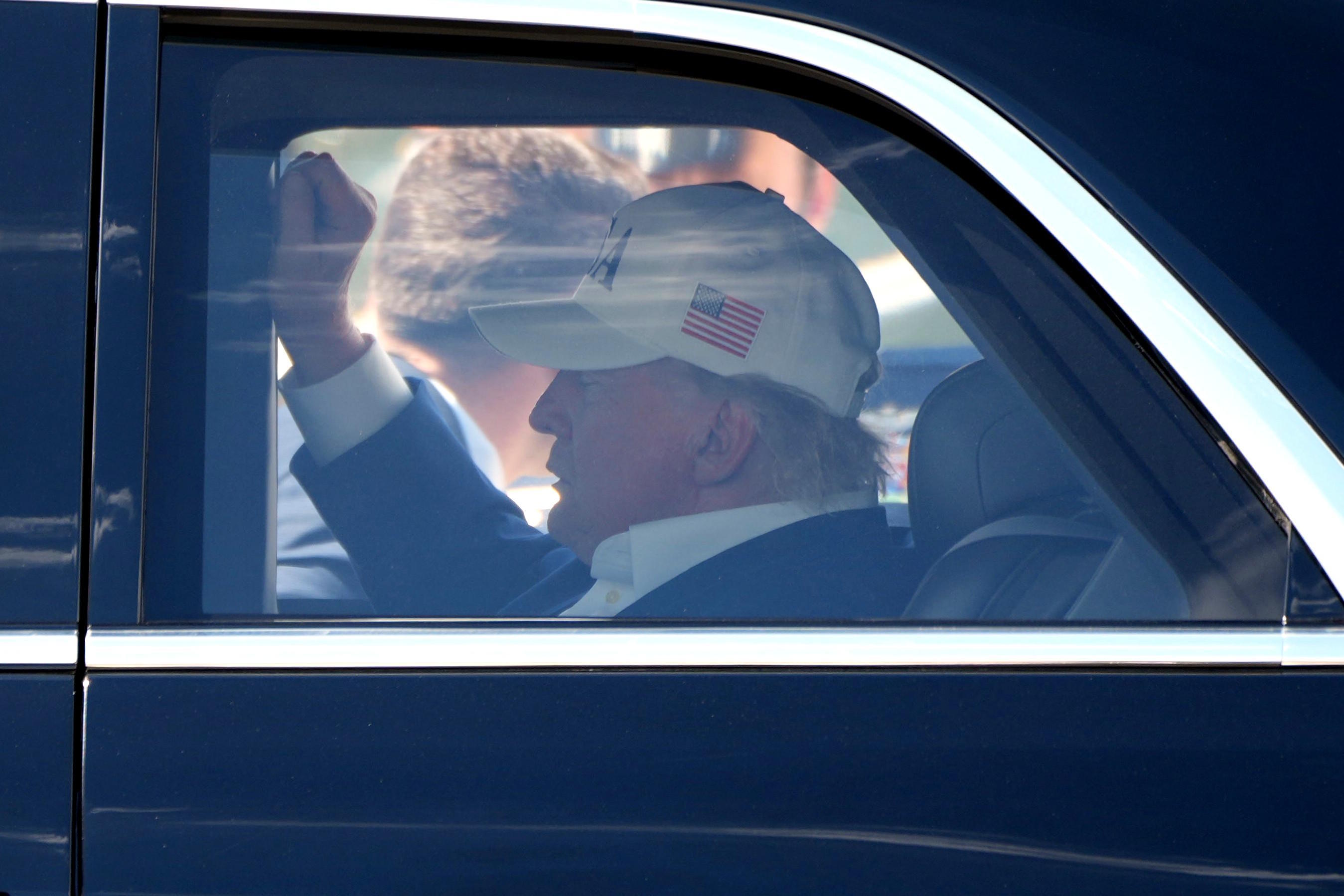
Despite the complexity of the meeting, which was mediated by Qatar and Pakistan, agreements were reached and described as "encouraging progress", although the process was severely overshadowed by President Donald Trump's inflammatory rhetoric.
Among the negotiation milestones is the establishment of a "dispute resolution cell" to address the fighting in Lebanon and the creation of a "communication line" to ensure that the Strait of Hormuz remains open to global energy traffic. Iranian Foreign Minister Abbas Araghchi stated that the "real test" of this progress will be the effectiveness of the mechanism to stop clashes between Israel and Hezbollah. However, the diplomatic atmosphere fractured when Iranian state media reported a pause in the talks following a "insulting message" from Trump.
Thousands of kilometers away from the negotiation venue, the US president issued direct warnings that led the Persian delegation to threaten to walk out of the summit. In an interview with Fox News, Trump threatened to "take over Iran" and warned Iranian President Masoud Pezeshkian to "watch what he says" after his pledge not to back down on the right to enrich uranium. The aggression escalated on the president's social media, where he demanded Tehran to stop its "well-paid minions" in Lebanon, warning: "If they don't, we will hit Iran very hard... even harder!!!".
Despite the tension, technical negotiations will continue throughout the week with the participation of figures like Jared Kushner and Vice President JD Vance. This effort is part of a provisional agreement that grants a 60-day period to define the future of Tehran's nuclear program and resolve disputes over frozen assets. For now, the ceasefire in southern Lebanon seems to hold, offering the longest pause in fighting since March.