This firm stance poses a significant obstacle to the current peace negotiations between Iran and the United States, aimed at stabilizing a Middle East shaken by war and the previous closure of the Strait of Hormuz.
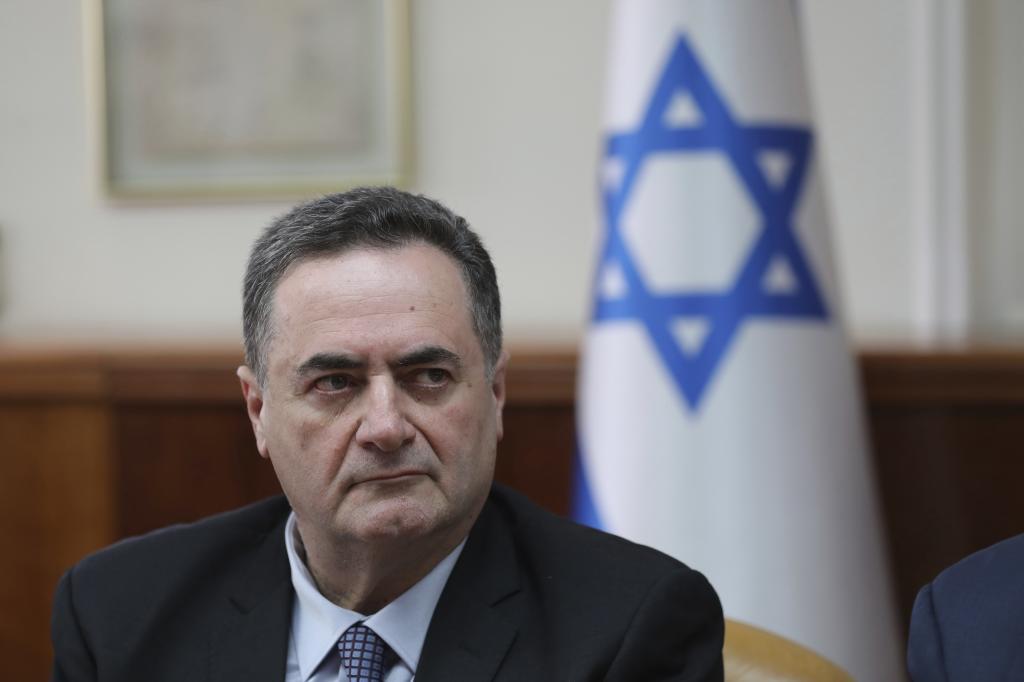
During an interview at a conference in Tel Aviv, Katz stated that the Israel Defense Forces (IDF) are "prepared" and have no intention of retreating from their current positions. "We will not withdraw. We have announced that, in any case, we will not leave, and up to this moment —which is a political achievement— there is no demand from the United States for Israel to withdraw from Lebanon," the minister declared. The Israeli government argues that its military presence has created an indispensable security zone to protect residents of northern Israel from Hezbollah's aggressions.
This determination directly clashes with Iran's strategy, which has made the cessation of hostilities in Lebanon a central pillar of its demands for any peace agreement with Washington. The President of the Iranian parliament, Mohammad Baqer Qalibaf, emphasized the importance of this by stating that "the end of the war in Lebanon is as important as the end of the war in Iran." While diplomacy is strained, violence persists: on the same Wednesday, an Israeli drone attack killed at least two people in southern Lebanon, following airstrikes against Hezbollah fighters near the area controlled by Israel.
The crisis unfolds as the U.S. Secretary of State, Marco Rubio, travels the region to reassure allies who view the agreement as "too generous" to Tehran. Countries like the United Arab Emirates, Kuwait, and Bahrain observe with skepticism incentives such as the $300 billion fund for Iran. Amid disputes over nuclear inspections and control of trade routes, Katz's refusal to withdraw militarily underscores the extreme fragility of the agreement.