In the face of the magnitude of the disaster, the United States has led the initial response with a firm commitment to immediate assistance. U.S. President Donald Trump described the scale of the disaster as "devastating" and assured that his country is "prepared, willing, and able to help," ordering all government agencies to act quickly to assist what he called his "new and great friends".
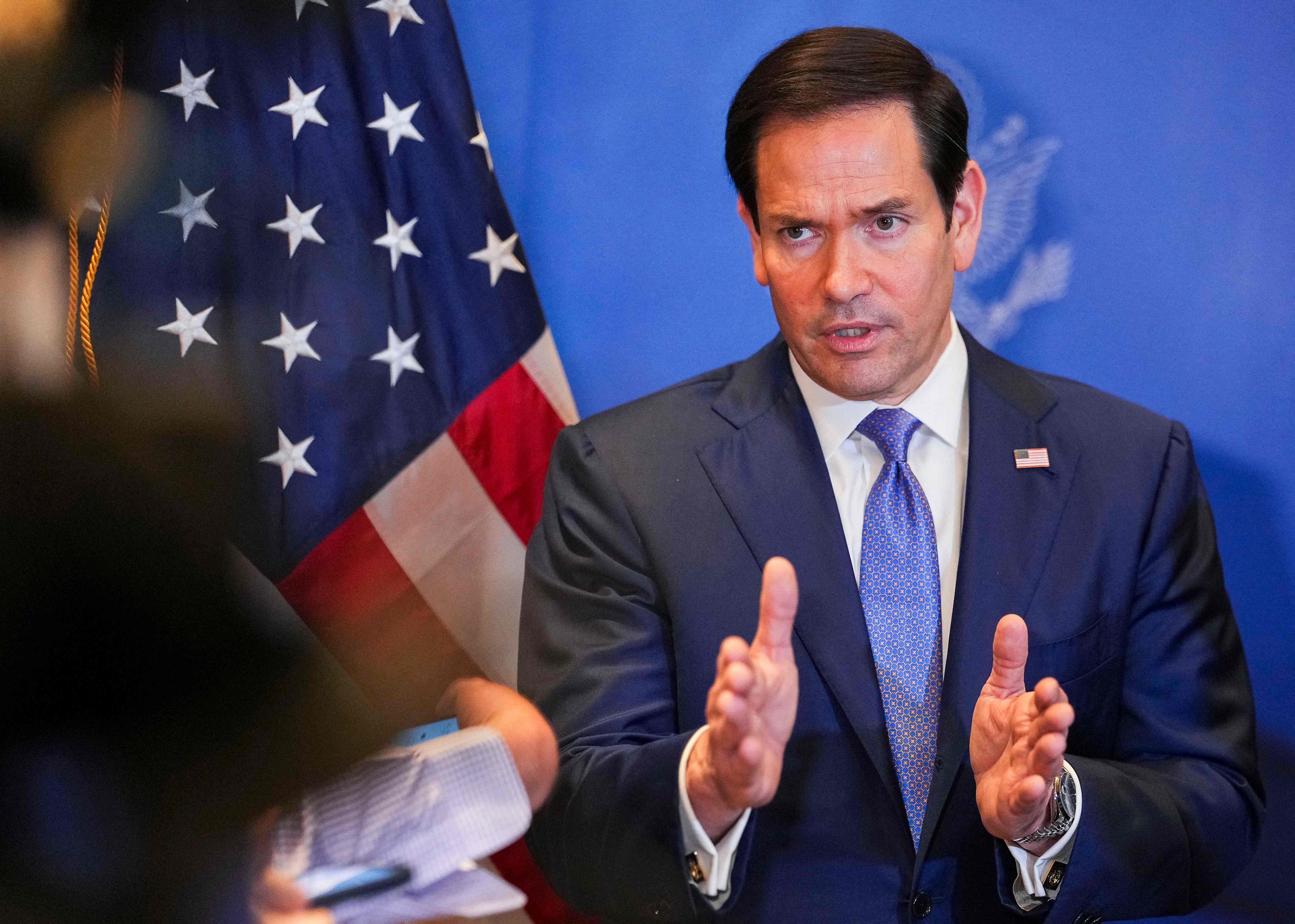
Following this directive, Secretary of State Marco Rubio announced the immediate deployment of search and rescue teams, medical resources, and vital humanitarian assistance. Rubio promised that Washington's aid will be "significant, fast, and effective," marking a milestone in the bilateral relationship amid the emergency.
The response in Latin America has been equally strong. The President of El Salvador, Nayib Bukele, confirmed that 300 rescuers and paramedics, along with 50 tons of equipment and medicine, are ready to depart for Caracas. Meanwhile, Mexico is preparing specialized health and rescue personnel, and the Dominican Republic will send units from its Armed Forces. Noteworthy are the gestures of Argentina and Ecuador; Presidents Javier Milei and Daniel Noboa have set aside their "enormous political differences" to extend a helping hand and send urgent humanitarian aid to the Venezuelan people.
From the rest of the world, technical and operational assistance has not been delayed. The European Union activated the Copernicus satellite system to support rescue efforts, while China declared itself ready to offer all necessary assistance. In Europe, Switzerland mobilized a rescue chain of 80 people and eight specialized dogs, France will send 85 rescuers, and Germany has made six military planes available to facilitate the transport of supplies. This wave of global cooperation aims to alleviate the pain of a nation facing its most critical hour.