The Central Command reported that its forces launched a series of powerful attacks early Wednesday morning, coinciding with the NATO summit in Ankara where President Donald Trump is located. The stated objective is to impose high costs on Tehran for directing aggressions against civilian commercial ships in an international maritime route.
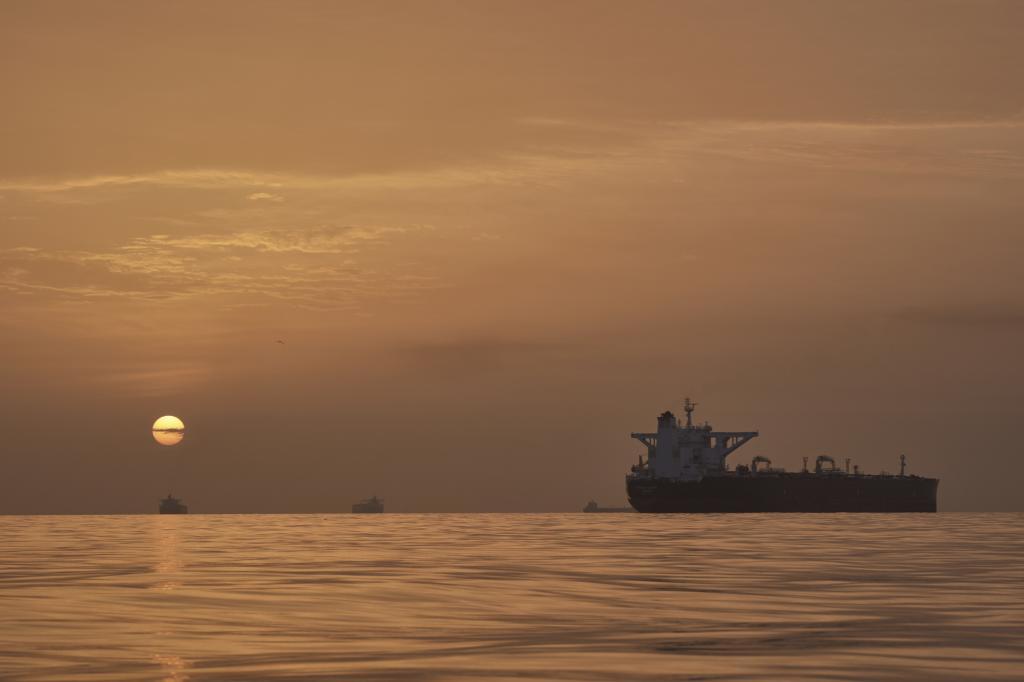
Explosions were recorded at strategic points on the southern coast, including Bandar Abbas, Qeshm, and Sirik, towns located in the province of Hormozgan. The Pentagon justified these actions as a necessary response to the Iranian attack on three commercial ships in the Strait of Hormuz, describing the previous incidents as a dangerous violation of the ceasefire. One of the affected oil tankers caught fire off the coast of Oman after being hit by a projectile, allegedly for ignoring warnings.
In retaliation, the Revolutionary Guards (IRGC) claimed to have hit 85 US military installations in Bahrain and Kuwait through a missile and drone operation, also shooting down an MQ-9 drone. The Iranian government denounced the US bombings as a "clear violation" of the ceasefire agreement reached in June. Hours before the attacks, Washington had already revoked the suspension of sanctions on oil exports, which Iran deemed a breach of the commitments made.
The instability has caused a 6% spike in oil prices, exceeding $76 per barrel. The focal point of the conflict remains the control of the Strait of Hormuz, where Tehran aims to collect tolls and control maritime routes. In this tense atmosphere, the imminent visit to Washington by Israeli Prime Minister Benjamin Netanyahu, the main opponent of the agreement with Iran, is expected.