The political noise goes one way, and military relations go another. That is why, when Donald Trump starts making threats to Spain, even stating that they will withdraw all their military personnel, the Spanish and American commands do not pay much attention. Because operational and deployment plans are moving forward.
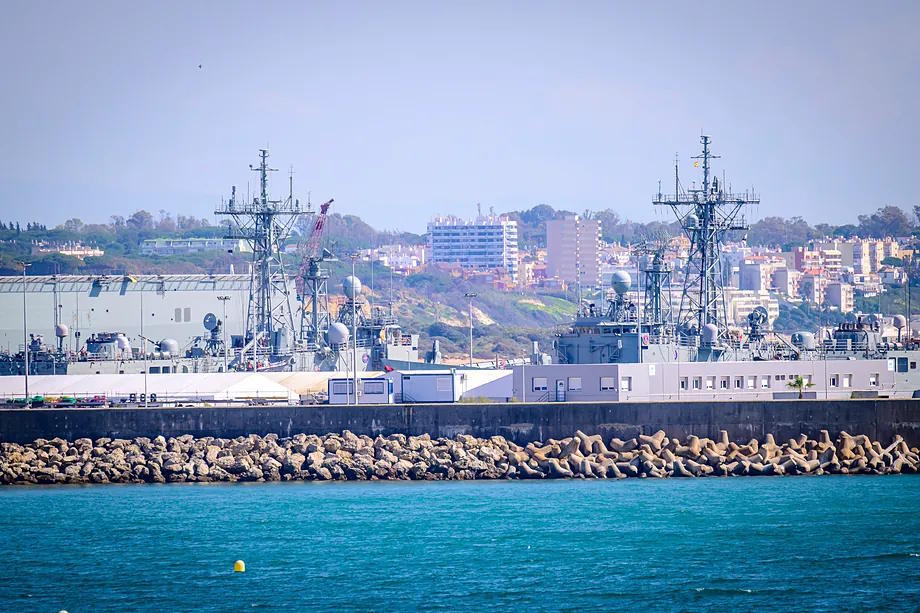
When the President of the United States attacked Spain again last Wednesday during the NATO summit in Ankara, at the Rota naval base, they were confirming another reality. Because the strategic enclave, gateway to the Mediterranean, is finalizing works to receive the crew of the sixth destroyer of the Arleigh Burke class of the United States Navy, which will arrive after the summer. The months being considered are October or November, when about three thousand people with American passports will disembark in Spain, including the destroyer's crew, their families, and civilian personnel linked to the vessel.
This information was confirmed yesterday by government sources. In addition, diplomatic sources confirm in the same direction in response to EL MUNDO's question. This Thursday, the Minister of Defense, Margarita Robles, will have a working meeting with Trump's Ambassador to Spain, Benjamin León, at the Ministry's headquarters.
The arrival of this latest ship culminates three years of work since Spain and the United States signed an agreement to increase from four to six the destroyers permanently based in Rota. These vessels are part of the missile shield of NATO's southern flank, which was agreed to reinforce at the beginning of the Ukraine war.
The fifth ship is already deployed in Rota and was involved in the attacks on Iran, as the ship moved to waters near the country to act as a missile shield. Additionally, it worked in collaboration with the missile battery that Spain has deployed in Turkey to intercept and destroy several missiles launched from Iran towards NATO territory.
The arrival of the sixth ship, initially planned for 2025, has been delayed for operational reasons until this year. Its incorporation will also require expanding the infrastructure of the Cadiz base to increase docking and logistical support capacity, consolidating Rota as one of the main strategic nodes of the United States and NATO in Europe.