Market calmness prevails, even though oil surges by 3% today, but not even enough for next Christmas to foresee prices above $80, which speaks volumes about investors' confidence. Analysts emphasize in their reports the importance of the breakdown in the US-Iran talks remaining at the political level, the most public, while technical negotiations continue between both countries. They are still at the table, even with the passage through the blocked Strait of Hormuz.
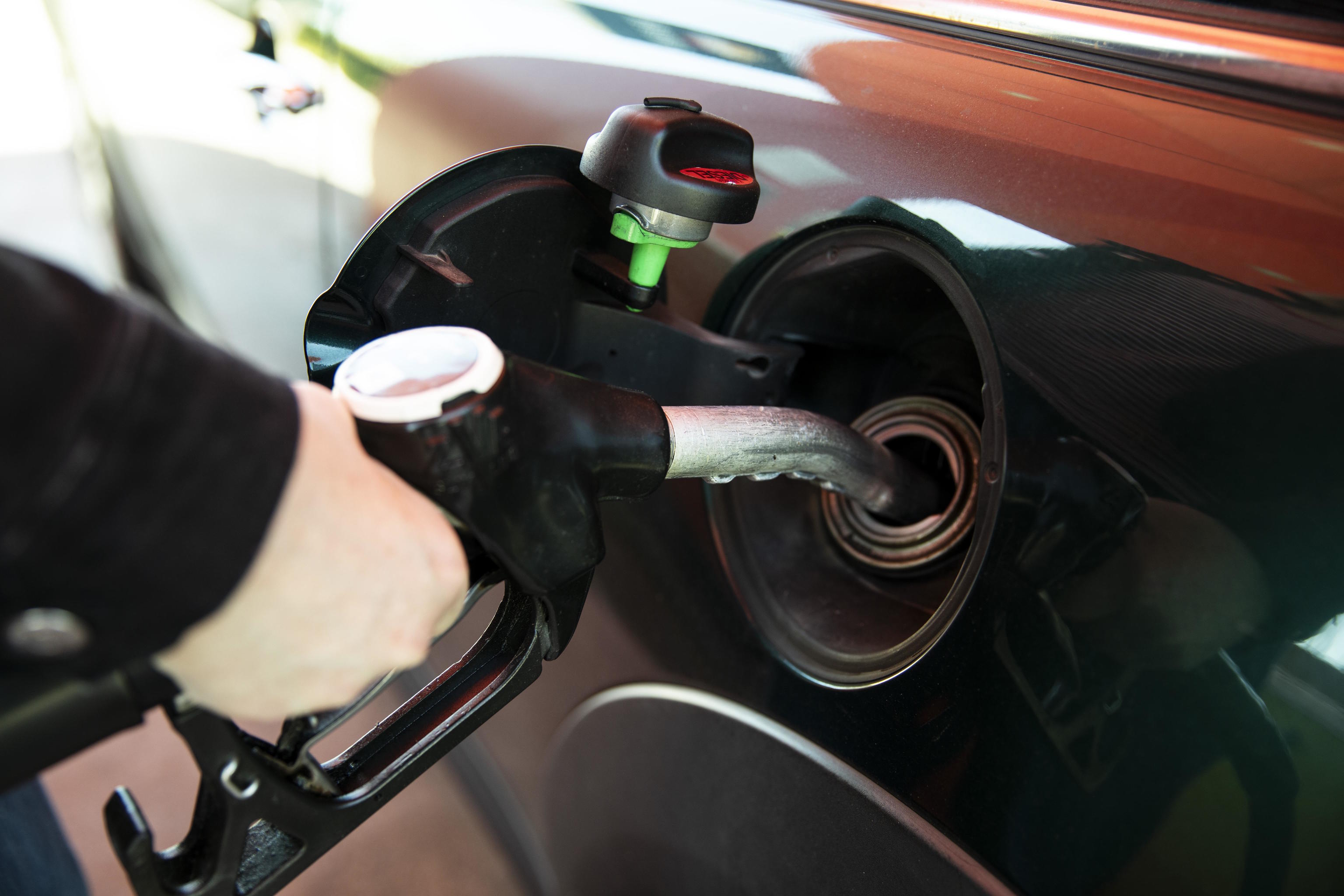
The lack of progress in the talks has led today to the Brent cruderising another 3%, approaching the $80 mark, something not seen since June 19, during the de-escalation after the announcement of the MoU (memorandum of understanding) that is now uncertain. This summer, the world faces prices 20% higher than in the summer of 2025, not only to fill the car tank - gasoline prices surge another 3% today and are above $3.1 per gallon - but also for agricultural diesel and heating fuel, which has been most affected by recent tensions, with prices soaring above $3.6, levels seen at the beginning of June. It is the time to buy stock and store for the winter months, and this situation is delaying decision-making.
European natural gas is particularly feeling the escalation of the conflict in the Middle East, with prices exceeding 50 euros per megawatt-hour, levels not seen since last May. In fact, after four and a half months of back and forth in the war between the US, Iran, and allies, the Dutch TTF is being bought today 60% more than when the conflict erupted.
"Since June 17, we have truly entered a new phase. At the risk of sounding frivolous, both parties continue to test each other without intending to disrupt the gradual process of reopening the strait. Despite ups and downs, the path to normalization is difficult to reverse, as reflected in oil prices," stated Banca March just before the announced breakdown of talks last week. But their view remains the same. Their analysts speak of a "Trump-style swerve," with no major consequences. "Tensions around the agreement have dissipated quickly. US authorities have confirmed that technical discussions continue between both parties, awaiting the resumption of political negotiations this week."
The outlook for Brent futures reflects this. Despite its recent surge, the European oil barrel is bought and sold below $80 until December and beyond. It still trades 9% higher than at the start of the war in the Middle East on February 28, but it reached over $110 during the most tense moments of the war. Banca March estimated that within a month, 70% of crude exports passing through the Strait of Hormuz will have been recovered.
The latest news on the ground speaks of new clashes. The US launched several waves of attacks against Iran early this morning in response to an Iranian attack on a container ship in the strait that set it on fire and left a crew member missing over the weekend. Iran's Revolutionary Guard responded with attacks on military bases with US presence in Jordan, Bahrain, Kuwait, and Oman.
"It's a contradictory scenario that the market seems to have learned to manage: as long as there is no direct impact on oil, inflation, or global growth, investors continue to prioritize economic fundamentals over political noise," says Javier Molina, an eToro analyst. Despite renewed tensions in the Middle East and the partial closure of the Strait of Hormuz, continental stock markets continue with isolated jolts.
This morning, investors were watching with concern as Europe opened in the red, but far from the new scare given by the South Korean Kospi, plummeting another 8.9% at the start of the week. The Ibex falls by 0.5%, the European index drops another 0.3%, as does the Italian Mib; while the Paris Stock Exchange even records modest gains. Analysts trust that the market's future now depends on the ongoing corporate earnings season and will set aside geopolitical noise.
However, more and more are keeping an eye on the situation of the Seoul stock exchange, where the weight of major semiconductor companies, Samsung and SK Hynix, is significant. This morning, the operator of the South Korean market, the Korea Exchange, reactivated the 20-minute trading suspension, known as 'circuit breaker', when the Kospi accumulated a drop of over 8%. In less than a month, the Kospi has lost a quarter of its value. Over 25% since the highs of June 22 above 9,100 points. SK Hynix, the second-largest company in South Korea by market capitalization, plummeted 15% this Monday after its debut on Wall Street last Friday with a market capitalization of over $26 billion, the largest for a foreign company in the US market. Its rally, up 170% this year, has been contained after its shares dropped 36% from June highs.