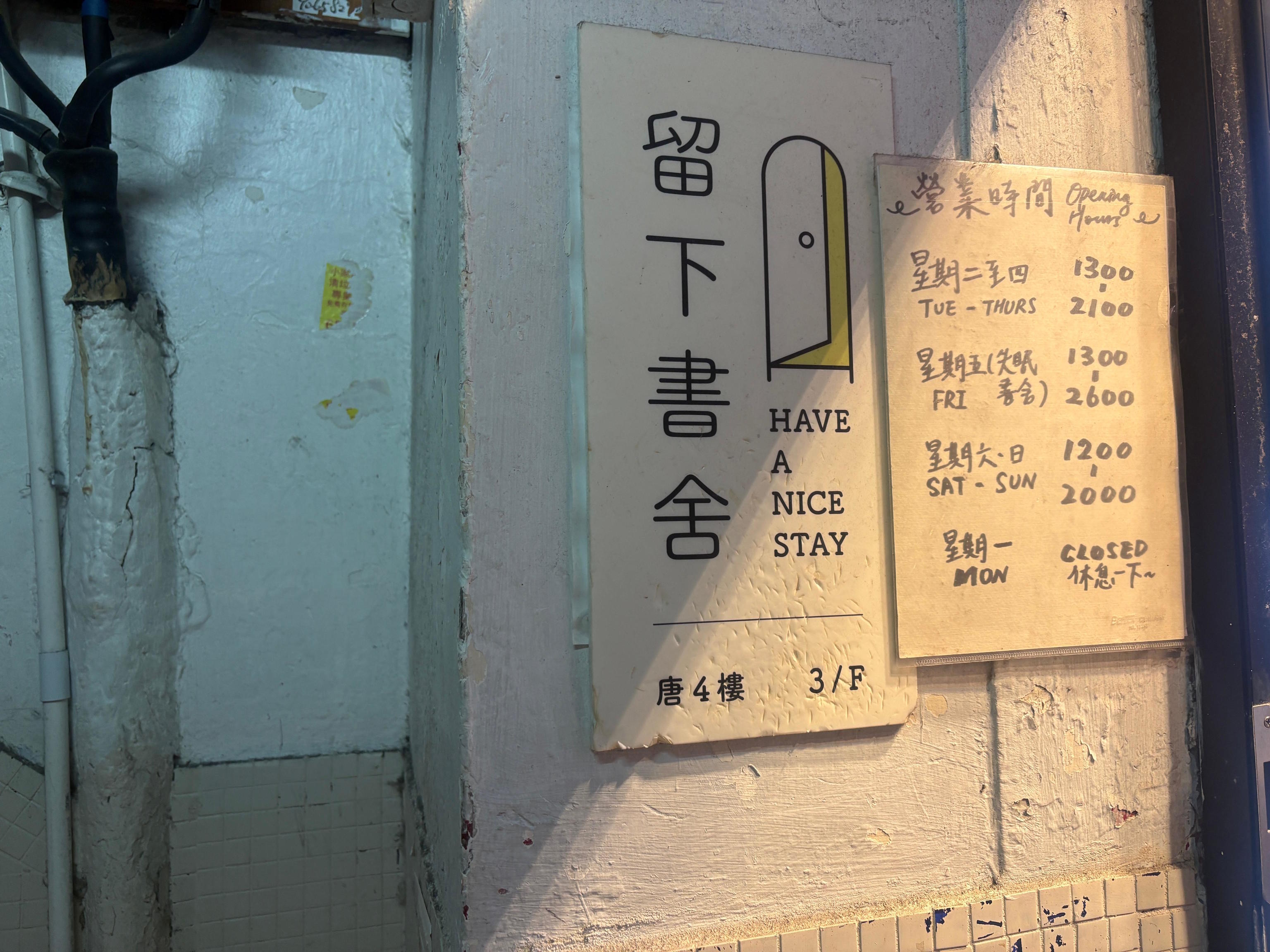
At the independent bookstore Have A Nice Stay in the bustling Hong Kong neighborhood of Mong Kok, agents were seen removing several books on Wednesday while one of the workers was escorted out in handcuffs by the Police. Across the city, another small bookstore, Greenfield, faced a similar fate. These establishments, according to authorities, were offering works that could "incite hatred" against the Government, the courts, or the security forces. Five employees ended up arrested on charges of "seditious intent." If convicted, they face up to seven years in prison.
This latest police operation marks a new step in a campaign that, since the enforcement of the National Security Law imposed by Beijing in 2020 and subsequently reinforced with local sedition legislation, has been tightening the noose around the publishing world. Independent bookstores, which for decades were a symbol of intellectual freedom in the former British colony, have become a prime target of the current repression.
Authorities claim that the confiscated books were promoting hatred against institutions. However, their owners argue that no one knows where the line is drawn between a historical essay, a political work, or a simple book that could suddenly become evidence of a crime.
Have A Nice Stay itself, founded in 2022 by former journalists, had announced just a day earlier that it would be closing down. Officially citing economic difficulties. But their statement included an expression that encapsulates the current climate in the sector: the impossibility of identifying the "red lines." No one knows exactly which book could trigger a criminal investigation. This uncertainty, denounced by organizations like Amnesty International, has instilled a regime of fear and self-censorship much more effective than any official list of banned works.
Earlier this year, other establishments had already been raided. In March, four individuals linked to the bookstore Book Punch were arrested. In June, two more workers from Hunter Bookstore were arrested under similar circumstances. Raids continue while many booksellers discreetly choose to remove controversial titles from their catalogs even before attracting attention.
Just a few years ago, the landscape was radically different. Hong Kong was the major exception within Chinese territory. While in mainland China all books had to pass through the filter of the General Administration of Press and Publication - the main censorship body - the city maintained a vibrant, uncomfortable, and diverse publishing scene. Biographies critical of Communist Party leaders and investigations into the Tiananmen massacre could be found in its bookstores. Many were political works prohibited on the other side of the border. There were mainland tourists who specifically traveled to Hong Kong to buy banned works in their cities.
That difference began to fade after the massive pro-democracy protests in 2019. Beijing responded by imposing a law that transformed the city's cultural ecosystem. Since then, newspapers have closed, civil organizations have disappeared, books have been removed from public libraries and educational centers, and numerous artists, journalists, academics, and publishers have chosen exile or silence.
One of them is the professor and editor Raymond Yeung, founder of Hillway Culture. When he launched his publishing house in 2016, he never imagined he would end up reviewing manuscripts page by page to eliminate any phrases that could be interpreted as a threat to national security. After the new legislation was passed, authorities ordered the review of library collections, schools, and publishers for possible seditious content. Yeung, who had participated in the 2019 protests - where he partially lost vision in one eye after being hit by a tear gas canister - decided to self-censor to avoid further trouble.
"Everyone knows what I think, but if I said it openly, they would surely arrest me the next day accusing me of working for foreign forces," he explained to EL MUNDO. He removed political references, withdrew sensitive publications, and softened texts. It didn't help much. Shortly after, he was sentenced to nine months in prison for participating in one of the 2019 protests.
Fear reached many small neighborhood bookstores. A bookseller who requested anonymity also recalled to this newspaper how Government officials personally inspected their shelves. "They told us to even review children's stories because even the drawings could contain illegal messages. Previously, this only happened in mainland China. We believed that Hong Kong was protected by its rule of law. Today, that difference has practically disappeared," he lamented.
Perhaps no episode better illustrates the change than the case of the five speech therapists convicted for publishing a series of illustrated children's books. In those stories, sheep defended their village from wolves symbolizing the Police during the 2019 protests. The courts deemed that those tales could sow seditious ideas in children's minds and sentenced the authors for conspiring to spread subversive content. Shortly after, two citizens were arrested simply for carrying those same illustrated books.
The transformation of Hong Kong can also be measured by the books that no longer get printed, the manuscripts that never get finished, and the shelves slowly emptying of titles sensitive to the authorities.