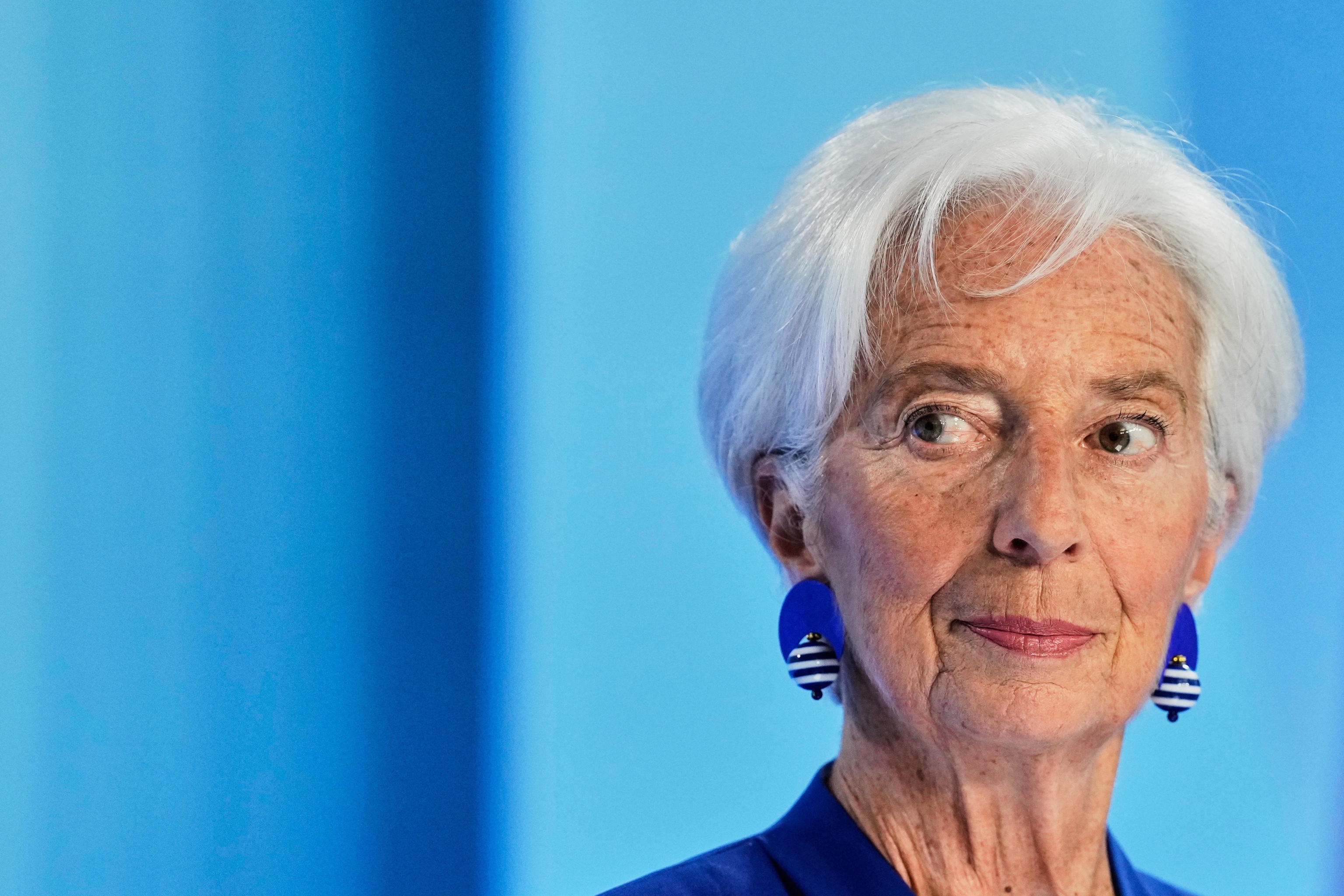
Since the last meeting of the European Central Bank (ECB) on June 11, the Old Continent has experienced the first interest rate hike in three years, eight days after the signing of a memorandum of understanding (MoU) between the US and Iran, and again, the return to armed conflict on July 7 due to a lack of understanding, at least at the political level. Since then, insiders in the Middle East negotiations claim that, on the diplomatic front, no one has walked away from the table and that the talks are ongoing. The main bottleneck remains in the Strait of Hormuz where traffic remains paralyzed awaiting ships to transit without fear of being attacked. The issue is that, almost a month and a half later, Brent crude oil has risen back to $90 per barrel, the same level it was at on June 11 when Christine Lagarde decided to take the lead as the first central bank to dare to raise official rates to combat inflation generated by the war in Iran. No one else has followed suit, forcing the ECB President to defend her decision on every occasion she is asked.
Analysis firms and investment banks assume that the ECB will not raise interest rates by another 25 basis points at its Thursday meeting, but leave that possibility open to surprises. The forecast is that it will be in September when Lagarde decides to adjust the interest rate again, which has once again squeezed the pockets of European mortgage holders in a market where entities acknowledge having tightened credit in the second quarter, with even stricter conditions, and with a collapsed demand.
"Without major surprises in the latest data, such as inflation or Eurozone activity, and with energy prices not far from the ECB's latest forecasts (lower oil and higher gas), there is no sense of urgency to move interest rates now," state Bank of America. And this is the key. The last quarterly review in June - when the MoU was not yet known, announced 24 hours later - pointed to Brent crude at $97 by the end of the year, while estimating a price for European natural gas at €45.6 per megawatt-hour on December 31. Where are prices today? European oil futures are trading around $90, 24% higher than when the war began on February 28. Dutch gas is close to €60 (and near highs), 85% higher due to the closure of the Strait of Hormuz.
But what worries the market the most - and the US Administration - is the price of fuels, which has anchored at highs and continues to anticipate oil above $100. The price of gasoline, used as a reference in the US, is around $3.41, 36% higher than at the start of the war; and heating oil, used as a reference for diesel, is around $4.08, 60% more expensive. "The prices of refined products, such as diesel and gasoline, tell a very different story" about what the market actually anticipates, according to Société Générale as reported by EuroNext.
This Thursday, the Spanish Congress is expected to decide in an extraordinary session on the new decree-law that includes, among other measures, the extension of tax relief on fuels for households, which expired last June and eliminated a reduced VAT of 10%, already noticeable in the cost of filling up the tank, compounded by the holiday exodus.
"Oil is once again taking the lead," say analysts at ING. "A rate hike in September is fully priced in by the market, and unless oil prices drop before that meeting [scheduled for September 9 and 10], we doubt the market will change its mind. Even if the ECB were to decide to raise rates this week and adopt a much more hawkish tone, we doubt that interest rates will go much further" considering that real rates in the market, that is, how the June decision has impacted bond yields, are already at much higher levels.
In a recent study published by the ECB in April, the institution analyzes the impact of the two major oil crises experienced in Europe: the Gulf War and the Russian invasion of Ukraine, in addition to the current conflict in the Middle East. One of the main conclusions is that the real impact on the eurozone economy has been decreasing since the 1990s. "A 10% crude oil supply shock leads to a cut in the EU GDP of around 0.2-0.3 percentage points over the following three years," the ECB states in its note. It also affects private consumption, on average just under 0.2 points in the first year, but mainly investment, with the greatest impact from the second year onwards, when it would drop by around 0.6 points. On the real economy side, what the ECB has confirmed are tougher credit conditions for citizens, as well as a collapse in demand from companies and households seeking a mortgage due to higher loan costs from rate hikes and soaring housing prices.
Interest rates in the Eurozone rose again last June after a year in which the ECB's decision had been to keep them stable. The new cycle of hikes anticipated by analysts was motivated by the war initiated by the US against Iran on February 28 due to the impact that the closure of the Strait of Hormuz had on eurozone prices. The new drop in the EU's CPI seen in June, down to 2.8% growth, places price levels already below the ECB's upwardly revised 2026 forecasts, which placed it at 3% in December. The market is pricing in another rate hike for the September meeting, when the three references could rise by another 25 basis points, bringing the deposit facility rate to 2.5% and the main refinancing rate to 2.65%, at highs last seen in March 2025.