The 27 EU countries have agreed on the 21st package of sanctions against Russia, which includes the extension of the cap on Russian oil prices: the maximum amount that can be paid over the next 12 months will be $44.10 per barrel.
According to current regulations, the price to be paid must be 15% below the market average. However, the closure of the Strait of Hormuz following Donald Trump's campaign in Iran has caused quotation prices to soar, and therefore the same was expected to happen with the cap imposed by the EU which was due to be revised today. In fact, the initial deadline was last week, but the countries decided to extend it until today to allow more time for negotiation.
Estimates by the Commission suggest that the revised figure could have reached up to $60 per barrel, a level that Brussels considers unacceptable as it would boost Vladimir Putin's income through this channel. Diplomatic sources emphasize that the agreement reached this morning will deprive Russia of significant oil revenues in a context of volatility in energy markets.
Therefore, it was vital for the negotiations to be concluded as soon as possible, and following last week's failure, ambassadors met again yesterday and have done so again this morning. There were many demands from different countries regarding initially proposed measures, but undoubtedly the most stringent and striking is that of Greece regarding the decision to veto Liquefied Natural Gas (LNG). Shipowner George Prokopiou, with significant interests in LNG transportation, pressured the Greek government, and the intensity of this country's refusal to approve the sanctions package has been such that in the end, it has obtained a significant exception: the transfer of LNG to countries outside the EU to clients outside the EU will be allowed if those contracts were signed before the start of the Russian invasion in February 2022.
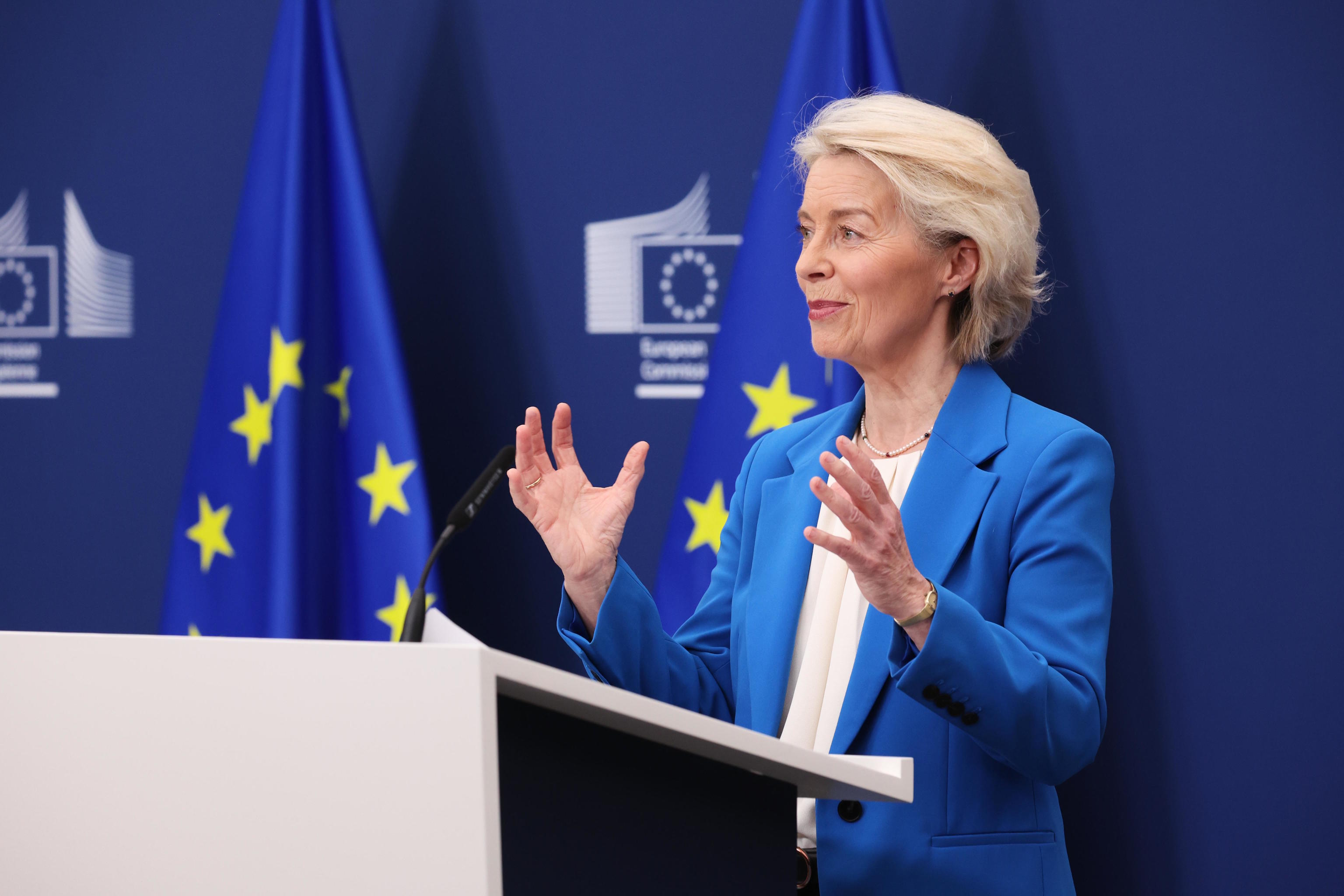
"At a time when Ukraine has gained military momentum, our sanctions continue to weaken the economic foundations of the Russian military effort. We are adding another 32 Russian banks to our list of entities subject to the prohibition of transactions," stated the President of the Commission, Ursula von der Leyen, on her X social media profile.
"We are also including crypto asset companies and oil trading platforms. We are freezing the adjustment of the oil price cap for a year so that the Russian war machinery does not benefit from market disruptions. For the first time, we are sanctioning ships that provide assistance to the Russian ghost fleet. And we have taken a significant step towards formally banning entry into the EU for Russian ex-combatants," she emphasized.