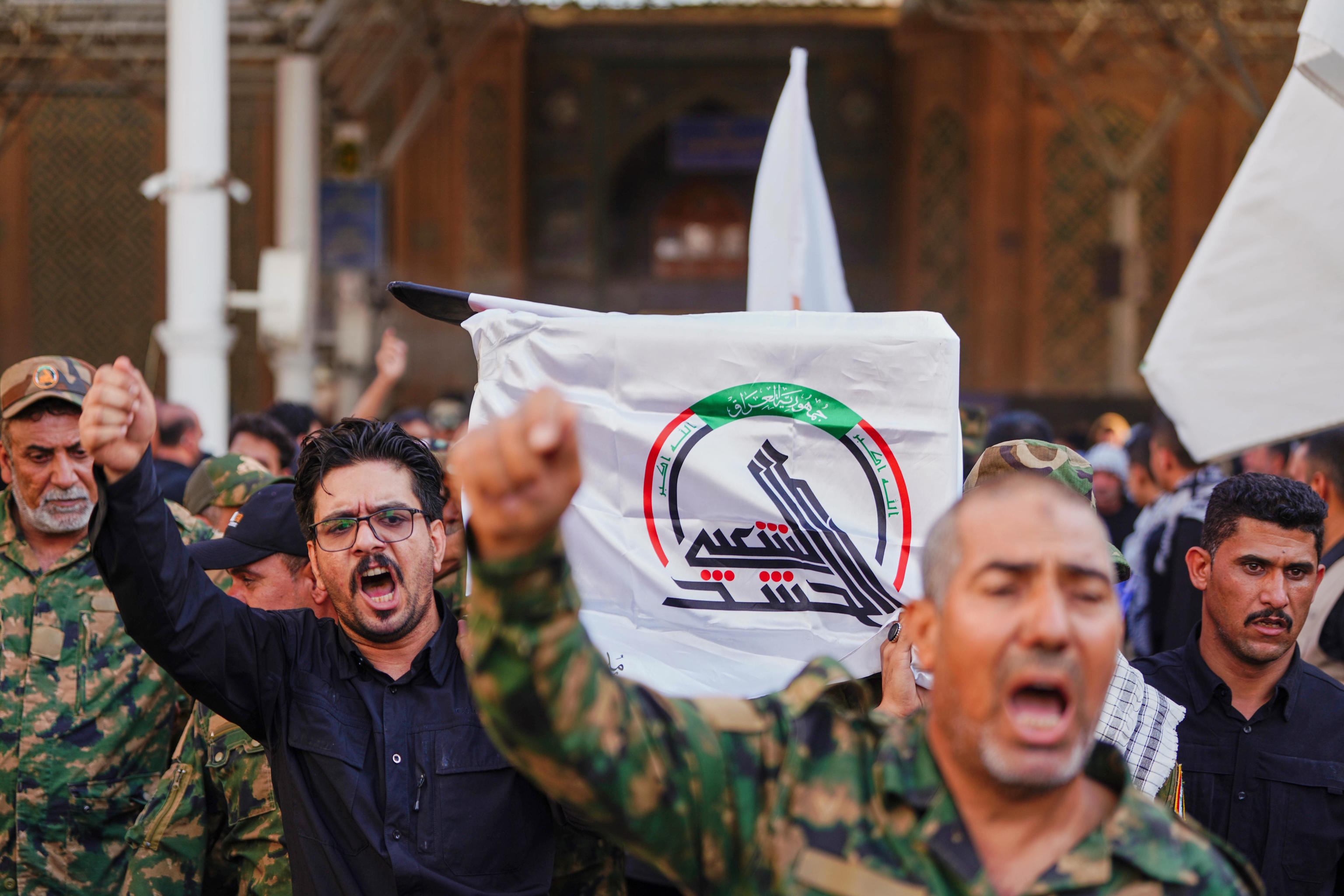
The attack resulted in the death of 20 militants and left 30 others injured. All the victims belonged to the Popular Mobilization Forces (PMF), an organization that includes armed factions integrated into the Iraqi state apparatus, among which are militias aligned with Iran.
The Saudi government vigorously defended its action as an act of "self-defense", describing the previous drone attacks by pro-Iranian militias as "unfortunate." This offensive is part of a context of growing instability, with the ongoing blockade in the Strait of Hormuz, the persistence of the conflict between the United States and Iran, and the looming threat of the Red Sea becoming a new front of hostilities. Despite diplomatic efforts by the Gulf Cooperation Council and Jordan for Washington and Tehran to return to the negotiating table, the Memorandum of Understanding process to end the war has been paused due to the clashes in Hormuz.
Iran, on the other hand, condemned the attacks on Iraq, calling them a "serious violation" of international law. However, it avoided directly mentioning Riyadh, directing all its criticism towards the United States, whom it accused of trying to "extend the war in the Middle East." Hours before these bombings, the Iranian regime had launched missiles at a US airbase in Jordan and had claimed attacks on three oil tankers in the Strait of Hormuz.
The coordinated attack received backing from other Gulf countries. Furthermore, this aggression comes after days of tensions between the Saudi monarchy and the Houthis in Yemen, also backed by Iran, leading to a naval blockade against Saudi Arabia. This situation represents the most significant escalation of tensions since the fragile ceasefire signed in Yemen in 2022.