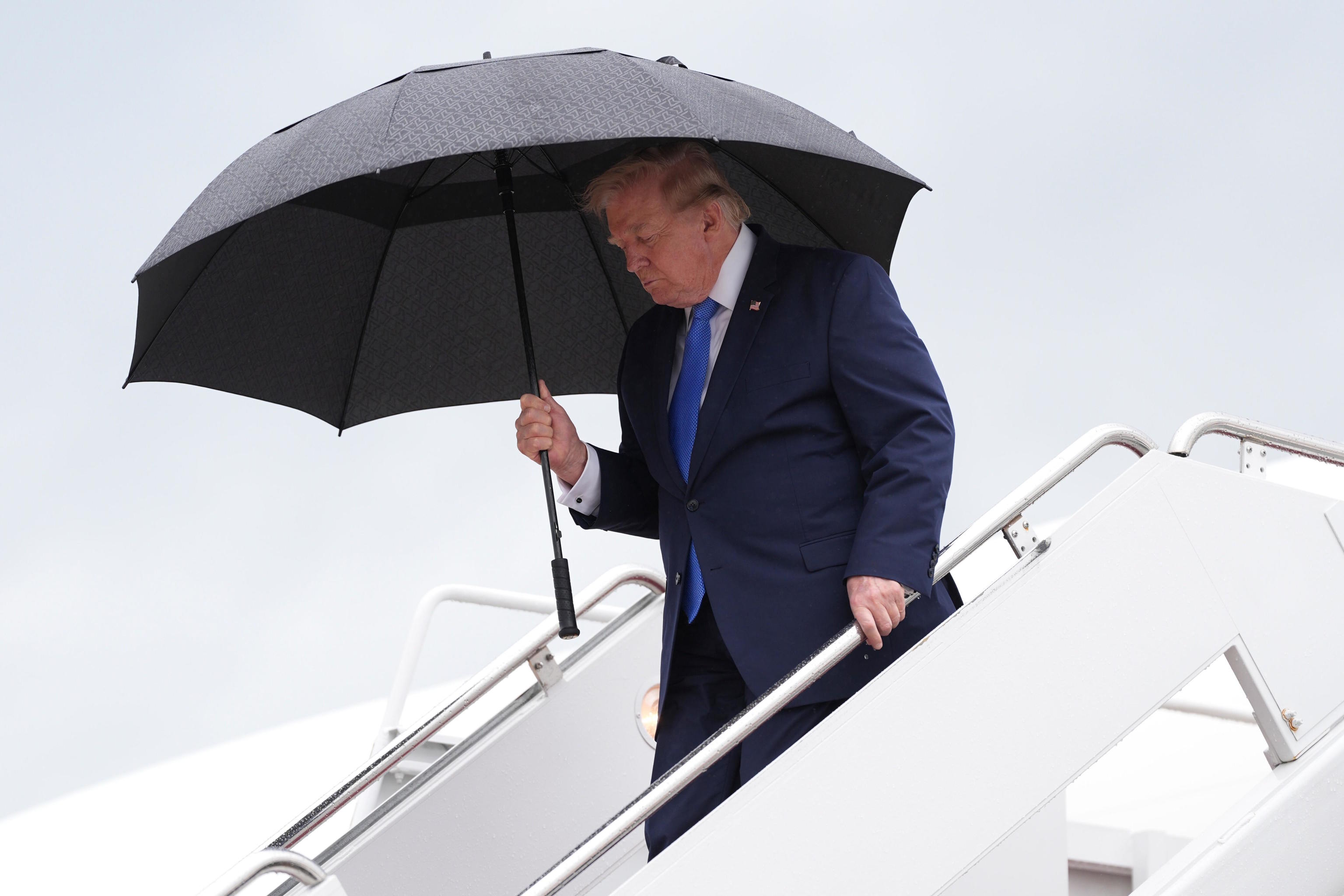
The decision, which marks another shift in the president's stance, was made at the urging of key Gulf allies such as Qatar, Saudi Arabia, and the United Arab Emirates, as well as at the request of unidentified Iranian officials.
Trump explained that a plan for a massive attack on Sunday had been presented to him, but he chose to discard it and give diplomacy more time. A crucial conversation was with Saudi Crown Prince Mohammed bin Salman. According to Trump, the Crown Prince expressed a clear preference for a deal over an attack, arguing that "one does not know where these attacks lead." The Crown Prince raised concerns about a possible escalation in conflict and its severe impact on the global economy if Tehran responded by attacking Washington's allies in the Gulf. Saudi officials also emphasized to the Trump administration that, while Saudi Arabia, UAE, and Qatar are well positioned to defend themselves, Kuwait could be vulnerable to attacks by Iran-backed militias in Iraq.
The conversation with the Saudi Crown Prince "weighed heavily" on Trump's decision, who stated that his allies did not want the attack and believed a deal was "imminent." This announcement comes after Trump had previously stated that he was "losing faith" in negotiations with Iran and had warned of a "very tough hit."
The impending agreement being sought, according to Trump, would include the reopening of the strategic Strait of Hormuz—a passage through which a fifth of the world's energy supplies flowed before the war—and addressing Washington's concerns about the Iranian nuclear program. A regional official involved in mediation efforts indicated that the proposal calls for the U.S. and Iran to return to the negotiating table to resolve outstanding issues. In return, the U.S. would lift its naval blockade on Iran and allow the export of Iranian oil, as outlined in a tentative ceasefire agreement.
Despite Trump's expectations for negotiations to resume "tomorrow afternoon," Iran remains cautious. Esmail Baghaei, a spokesperson for the Iranian Foreign Ministry, stated that the Strait of Hormuz "will not return to the status it had before February 28," the day the war began, and that there is no discussion of reopening the passage in talks with Oman. The Iranian Defense Minister noted that the country was "neither surprised nor passive" in response to Trump's announcement and remains on alert. While mediation efforts are ongoing, no agreement has been reached yet.