Five years after the coup that brought the generals back to power, Myanmar remains immersed in a terrible open civil war, fragmented between the Army, pro-democracy militias, and a constellation of ethnic guerrillas vying with the Naypyidaw government for control of major trade routes and border posts.
The resistance stemmed from peaceful protests following the coup on February 1, 2021. The brutal repression led thousands of young people to join the so-called People's Defense Forces, linked to the National Unity Government formed by exiled lawmakers. These militias allied with ethnic armed organizations.
The coup government controls major cities, airports, key institutions, and overwhelming air superiority but has lost the ability to govern much of the territory. Unable to regain control, the Army has intensified airstrikes and artillery fire. Schools, hospitals, monasteries, markets, and displaced persons camps have been repeatedly targeted. The Assistance Association for Political Prisoners documented over a dozen massacres attributed to the military forces in the first half of 2026, with over 450 civilians killed.
By the end of May, this organization had verified at least 8,063 civilians and activists killed by the military or affiliated groups since February 2021. Over 31,000 arrests related to opposition to the coup were recorded, with more than 14,000 still in detention.
The war has also triggered one of the largest internal displacements in Asia. In July, the UN estimated that nearly 3.8 million people remain displaced within the country. Additionally, around 1.6 million Myanmar refugees and asylum seekers live in other countries.
The UN estimates that over 16 million people - almost a third of the population - require humanitarian assistance. Hunger, healthcare collapse, and school destruction have turned daily survival into another battle.
Earlier this year, elections were held in Myanmar, deemed by Western governments and human rights organizations as an operation designed to legitimize the regime. Major opposition parties were banned, thousands of activists and politicians were imprisoned or exiled, and there were no independent international observers to validate the elections. In practice, Myanmar's democracy remained suspended. What the current leaders called a "civil transition" was, in reality, institutional window dressing over a de facto regime.
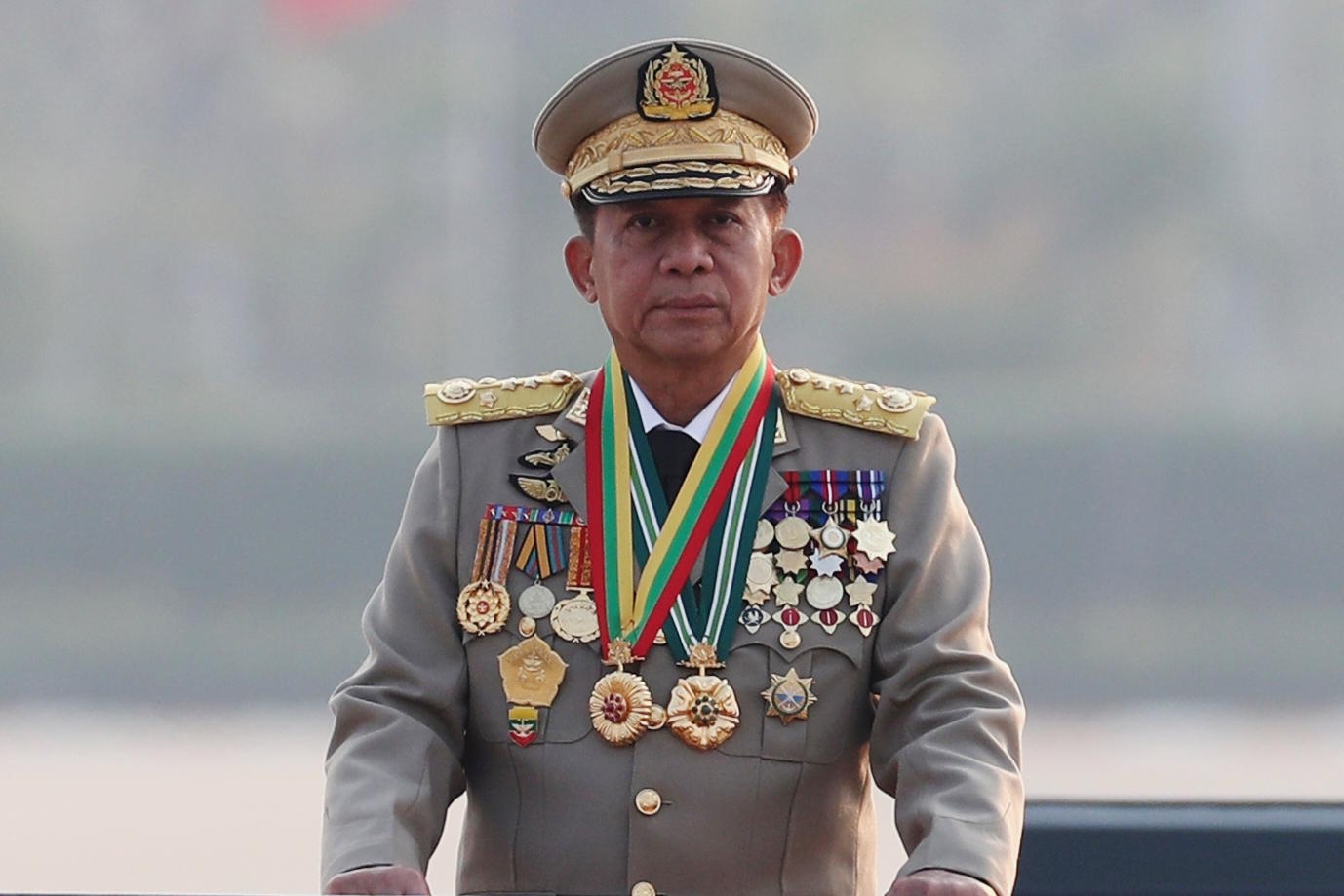
The general who led the power grab, Min Aung Hlaing, was declared president in April by a Parliament dominated by the military. The strategy was meticulously planned to transform the military leader into a civilian president. With this, the regime sought to project an international facade of legitimacy without relinquishing any power.