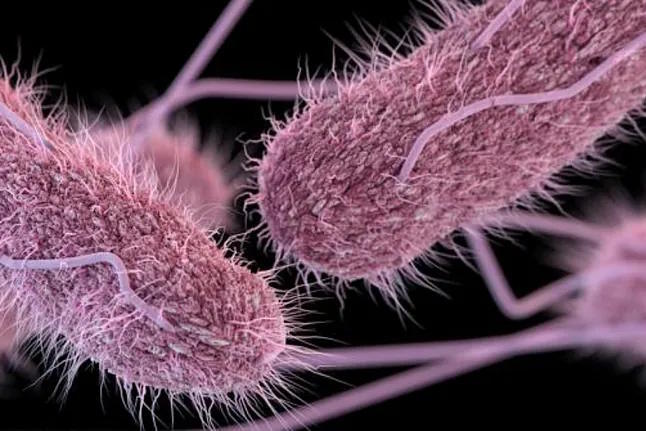
The US Centers for Disease Control and Prevention is investigating a salmonella outbreak that includes 96 cases and 26 hospitalizations in 17 states. After tracing the origin to a producer in Texas, the recall of 1.5 million egg cartons from the market has been ordered.
Salmonellosis outbreaks are more common in summer due to high temperatures that favor the multiplication of the bacteria - salmonella itself - and because it is more difficult to maintain the cold chain and proper hand hygiene outdoors.
What is salmonellosis and how is it transmitted?
Salmonellosis is one of the most common foodborne infections. It is caused by the salmonella bacteria and is mainly transmitted by ingesting contaminated food or through poor hygiene during its preparation. Unlike other spoiled foods, meals contaminated by this bacteria usually maintain a completely normal appearance, smell, and taste, making it impossible to detect visually.
Which foods pose a higher risk of contagion?
According to the Spanish Agency for Food Safety and Nutrition (AESAN), products that require greater caution are:
Eggs and derivatives: Especially when consumed raw or undercooked (such as homemade mayonnaise or runny omelets).
Undercooked meats: Particularly poultry (chicken and turkey).
Unpasteurized dairy products: Milk or cheeses made without thermal treatments that eliminate the bacteria.
Fruits, vegetables, and water: Raw vegetables exposed to contaminated water or surfaces.
What are the symptoms of salmonellosis?
The characteristic symptoms of salmonellosis are diarrhea, fever, and abdominal cramps. Typically, these discomforts appear between 12 and 72 hours after ingesting the contaminated food.
Since these symptoms are very similar to those of common gastroenteritis, a laboratory analysis is necessary to confirm the diagnosis. This study helps identify if the responsible bacteria is salmonella (with its most common variants, S. enteritidis or S. typhimurium) or if it is other common pathogens like Campylobacter, E. coli, or Listeria.
How does the disease usually progress?
Most people recover completely in about a week without long-term consequences.
However, sometimes severe diarrhea leads to severe dehydration requiring hospitalization to administer fluids intravenously. If the bacteria manages to leave the digestive system and spread to other parts of the body, it is essential to apply antibiotic treatment, as an untreated severe infection can become life-threatening.
How to prevent salmonella poisoning?
Several simple, effective, and easy-to-implement measures at home drastically reduce the risk of infection.